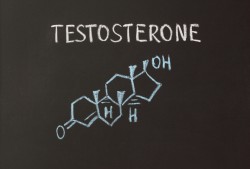
 The U.S. Food and Drug Administration (FDA) has mandated new warnings to accompany testosterone products because of the possible side effects to men’s health.
Testosterone drugs like AndroGel and Testim have been marketed as treatments for “low-t,” a decrease in the amount of testosterone that males experience as they age. Some males experience low-t symptoms more than others, which may include decreased energy, lower libido, loss of muscle mass, and other low-t symptoms. However, low-t drug lawsuits allege that drug companies have over-promoted testosterone products and that low-t drugs have dangerous side effects. The FDA’s latest proclamations may support these legal assertions.
In March 2013, the FDA issued a Safety Announcement warning that testosterone products should not be used lightly. The agency’s statement reminded that testosterone products are only approved to treat testosterone deficiencies caused by diagnosed problems with the testicles, pituitary gland, and brain that cause dangerously low amounts of testosterone. The FDA warned that testosterone products can thicken the blood and increase the risk of stroke and heart attacks, as these products make it easier for blood clots to form within the body.
In addition to warning patients of these risks, the FDA also mandated changes to the labeling of testosterone products in order to better educate the public on the risks of testosterone products side effects. This included a black box warning, the highest warning the FDA can place on a product, which is reserved for drugs with a risk of life-threatening side effects. The labeling changes warn patients to watch for the symptoms of a stroke or heart attack when using testosterone gels, testosterone creams, testosterone injections, and other types of low-t treatment products.
Testosterone Product Litigation
Testosterone products lawsuits allege that drug makers engaged in a process called “disease mongering” to sell dangerous testosterone products. Disease mongering is the process of generating interest in relatively mild or common symptoms as a disease in order to sell drugs that treat it. In this alleged example, testosterone products had already been developed to treat clinical conditions where a patient cannot produce enough testosterone to function; however, this provides testosterone manufacturers with a relatively limited market. Allegedly, to sell more testosterone products, drug makers “created” low-T by promoting drugs to treat symptoms that most men experience as they age. In fact, more than 1.5 million men now take testosterone products in the United States, which testosterone product lawsuits hold is more the result of savvy drug marketing than any kind of real disorder.
Do YOU have a legal claim? Fill out the form on this page now for a free, immediate, and confidential case evaluation. The testosterone attorneys who work with Top Class Actions will contact you if you qualify to let you know if an individual lawsuit or class action lawsuit is best for you. [In general, testosterone product lawsuits are filed individually by each plaintiff and are not class actions.] Hurry — statutes of limitations may apply.
ATTORNEY ADVERTISING
Top Class Actions is a Proud Member of the American Bar Association
LEGAL INFORMATION IS NOT LEGAL ADVICE
Top Class Actions Legal Statement
©2008 – 2026 Top Class Actions® LLC
Various Trademarks held by their respective owners
This website is not intended for viewing or usage by European Union citizens.
Get Help – It’s Free
Join a Free Testosterone Product Class Action Lawsuit Investigation
If you or someone you know suffered a heart attack, stroke, blood clot, or other injury as a result of using a testosterone gel or cream, legal options are available. Find out if you qualify to join a free testosterone gel class action lawsuit investigation and pursue compensation for you or your loved one’s injuries by filling out the form below.
An attorney will contact you if you qualify to discuss the details of your potential case at no charge to you.
Oops! We could not locate your form.