 In November of 2014, the U.S. Food and Drug Administration (FDA) issued an updated Safety Communication regarding power morcellation and its alleged link to uterine cancer.
Power morcellation is a type of technique used in laparoscopic surgery. Laparoscopic surgery is a type of surgery wherein surgeons use small, specialized tools to perform the bulk of the procedure inside the patient’s body. This allows surgeons to cut through less healthy tissue, shortening recovery times and making surgery an option for many patients who would be too weak for regular invasive surgery. One of the few downsides to laparoscopic surgery is that in some procedures, like hysterectomies, surgeons must remove large tissue from the body through the small incisions, which has created the necessity for power morcellation.
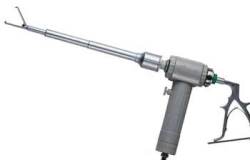
Power morcellation is a type of laparoscopic procedure where surgeons use a power morcellator to cut tissue into pieces small enough to be removed from the body. But there are growing concerns regarding morcellation cancer, a dangerous side effect of using these convenient medical devices.
The FDA’s November morcellation cancer statement was an update to earlier safety communications from earlier in 2014 on the subject of power morcellation. In this statement, the FDA strongly recommended against the use of power morcellators for hysterectomies because of concerns regarding uterine cancer.
A common reason for the use of power morcellation in hysterectomies is due to the presence of uterine fibroids, a type of benign tumor. However, post-surgical reports have strongly suggested that the many women whom have uterine fibroids may also have malignant cancer cells bound up within the fibroids that have gone undetected. The process of power morcellation is alleged to liberate these cancer cells and spread them within the abdomen, a condition known as morcellation cancer. How far the cancer cells spread is a major predictor of how severe a case of cancer is.
The FDA has advised patients who have had robotic hysterectomies to be vigilant for signs of morcellation cancer and undergo follow-up testing. The FDA has also recommended strongly against the use of power morcellators in hysterectomies and related procedures since this discovery. The FDA, however, stopped short of a full ban on power morcellators, stating that further evidence was needed to justify a full ban. However, the FDA did issue new boxed warning that power morcellators shouldn’t be used to remove uterine fibroids
Power morcellation lawsuits have been filed by women who developed advanced uterine cancer after their uteruses were removed by power morcellation. Power morcellation lawsuits typically allege that the makers of power morcellators were aware—or reasonably should have been aware—of the risk of morcellation cancer associated with their medical devices. Morcellation cancer lawsuits typically seek to recoup the costs of medical care, lost wages, and other costs allegedly linked to morcellation cancer.
Do YOU have a legal claim? Fill out the form on this page now for a free, immediate, and confidential case evaluation. The morcellation cancer attorneys who work with Top Class Actions will contact you if you qualify to let you know if an individual lawsuit or class action lawsuit is best for you. [In general, morcellator cancer lawsuits are filed individually by each plaintiff and are not class actions.] Hurry — statutes of limitations may apply.
ATTORNEY ADVERTISING
Top Class Actions is a Proud Member of the American Bar Association
LEGAL INFORMATION IS NOT LEGAL ADVICE
Top Class Actions Legal Statement
©2008 – 2026 Top Class Actions® LLC
Various Trademarks held by their respective owners
This website is not intended for viewing or usage by European Union citizens.
Get Help – It’s Free
Join a Free Morcellation Cancer Class Action Lawsuit Investigation
If you or a loved one were diagnosed with cancer in the uterus, pelvis or abdomen within two years of undergoing surgery for a myomectomy (removal of fibroids), hysterectomy (removal of the uterus), oophorectomy (removal of the ovaries), or salpingectomy (removal of fallopian tubes), you may have a legal claim. See if you qualify by filling out the short form below.
An attorney will contact you if you qualify to discuss the details of your potential case at no charge to you.
Oops! We could not locate your form.