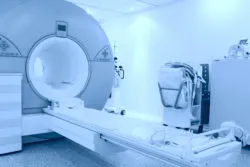
 Lawyers are now investigating possible serious side effects from galodinium contrast used in MRIs, after an FDA gadolinium retention warning. If you had an MRI in which gadolinium contrast was used, you may have a legal claim.
Gadolinium is a heavy metal that is inserted into a patient intravenously to improve visualization of organs, blood vessels, and tissues during an MRI. Gadolinium contrast is used to help medical professionals diagnose cancer, infections, bleeding, and other conditions.
However, this tool may do more harm than good, in some cases, and the FDA gadolinium warning advises patients of this possibility.
Gadolinium was long thought to only remain in the body for a short time after injection. Recent data runs contrary to this assumption, showing that it can often remain in the body for months or years after it is injected, and can be harmful to the body. Gadolinum retention refers to the residual gadolinium that may remain in the body after the MRI has been conducted.
In December 2017, an FDA gadolinium retention warning alerted the general public that gadolinium retention can lead to nephrogenic system fibrosis (NSF), a rare but serious condition. This condition is not fully understood but is known to be triggered by gadolinium exposure in people with existing kidney problems.
The FDA communication says that “[g]adolinium retention has not been directly linked to adverse health effects in patients with normal kidney function.” Many patients, however, tell a different story.
Symptoms of what has become known as “gadolinium deposition disease” have been reported by many patients, even those with normal kidney function. The reported symptoms vary widely–they include:
- Pain, often in the extremities or the head
- Itching, prickling, or burning sensation in the skin
- Changes in the texture of the skin–some patients report their skin becoming “rubbery” or “spongy”
- Cognitive symptoms–patients report suffering from “brain fog”
- Loss of balance
- Hair loss
- Muscle twitches
In November 2017, actor Chuck Norris and his wife, Gena Norris, announced that they were filing a lawsuit against three drug companies, claiming that gadolinium contrast use in Gena’s MRI caused her to develop severe gadolinium side effects. She allegedly experienced loss of mobility, low energy, difficulty breath, burning body pain, kidney damage, and cognitive impairment as a result of her exposure to gadolinium contrast.
She claimed that the drug companies “continue to say that the link between gadolinium and adverse effects, even though the evidence is overwhelming that this heavy metal stays in the body for years, rather than hours.”
If you have experienced adverse symptoms after being injected with gadolinium contrast for an MRI, you may have a legal claim. Even if you do not think you have developed gadolinium deposition disease, your symptoms may be linked to gadolinium. Filing a gadolinium contrast MRI lawsuit could help you gain compensation for the physical, emotional, and financial injury you suffered.
Join a Free Gadolinium Toxicity Class Action Lawsuit Investigation
If you or a loved one developed gadolinium toxicity after having an MRI with gadolinium contrast, you may be eligible to file a gadolinium MRI lawsuit against pharmaceutical companies. Fill out the form on this page for a FREE evaluation of your eligibility.
ATTORNEY ADVERTISING
Top Class Actions is a Proud Member of the American Bar Association
LEGAL INFORMATION IS NOT LEGAL ADVICE
Top Class Actions Legal Statement
©2008 – 2026 Top Class Actions® LLC
Various Trademarks held by their respective owners
This website is not intended for viewing or usage by European Union citizens.
Get Help – It’s Free
Join a Free Gadolinium MRI Lawsuit Investigation
If you qualify, an attorney will contact you to discuss the details of your potential case at no charge to you.
PLEASE NOTE: If you want to participate in this investigation, it is imperative that you reply to the law firm if they call or email you. Failing to do so may result in you not getting signed up as a client or getting you dropped as a client.
E-mail any problems with this form to:
[email protected].
Oops! We could not locate your form.