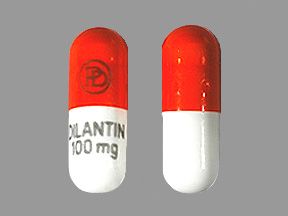
 Dilantin (Phenytoin) is a popular anticonvulsant medication commonly prescribed to treat a variety of epileptic conditions such as complex partial seizures and generalized tonic-clonic seizures. However, Dilantin has been associated with a variety of complications, including Stevens Johnson Syndrome.
The FDA first approved Dilantin in November of 2001. Dilantin has since garnered millions for its manufacturer, Pfizer Inc., and continues to turn a major profit. Despite the release of generic Dilantin and recent negative publicity, Dilantin is a preferred treatment choice for millions of patients who suffer epilepsy. In fact, Dilantin is so popular that it is on the World Health Organization’s List of Essential Medicines, a list of important medications that are needed in basic healthcare systems.
The drug works by blocking certain sodium channels in the brain, preventing sudden electrical volts that can cause seizures to occur. The treatment mechanism reportedly works quite well, as many patients report an improved quality of life after starting Dilantin. However, there have also been numerous Dilantin injury reports from patients who suffered severe adverse effects after taking Dilantin. One of these complications includes an extremely rare allergic skin reaction, known as Stevens Johnson Syndrome (SJS).
SJS is infamously characterized by the red or purple skin lesions that appear on a patient’s body, and its aggressive nature. The skin lesions detach from the body and expose inner tissue to possible infection, compounding the patient’s condition and further deteriorating the patient’s health.
Overview of Dilantin Stevens Johnson Syndrome Complications
In a recent study conducted by the healthcare data platform eHealthMe, researchers collected numerous Dilantin injury reports from the FDA and social media outlets in order to observe the alleged correlation between SJS and Dilantin. Out of 10,960 study patients who were prescribed Dilantin and suffered side effects, 577 patients reported suffering Dilantin SJS.
Although Stevens Johnson Syndrome is rare, with approximately 300 cases diagnosed per year in the United States, it is a very serious condition. Beyond the possibility of permanent skin damage, patients could suffer blindness, infection, organ damage, and even death if they do not promptly receive treatment. Experts advise that SJS is most likely to occur within the first two to eight weeks of starting a medication, and will begin with flu-like symptoms.
Despite the severity of this condition, Dilantin’s current warning label does not mention SJS as a possible complication. Although numerous people have reported injuries and several patient advocacy groups have called for Dilantin to receive a black box warning for SJS, Pfizer has yet to take any corrective action.
Do YOU have a legal claim? Fill out the form on this page now for a free, immediate, and confidential case evaluation. The SJS attorneys who work with Top Class Actions will contact you if you qualify to let you know if an individual lawsuit or Dilantin class action lawsuit is best for you. [In general, Dilantin lawsuits are filed individually by each plaintiff and are not class actions.] Hurry — statutes of limitations may apply.
ATTORNEY ADVERTISING
Top Class Actions is a Proud Member of the American Bar Association
LEGAL INFORMATION IS NOT LEGAL ADVICE
Top Class Actions Legal Statement
©2008 – 2026 Top Class Actions® LLC
Various Trademarks held by their respective owners
This website is not intended for viewing or usage by European Union citizens.
Get Help – It’s Free
Help for Victims of Stevens Johnson Syndrome
If you or a loved one were diagnosed with Stevens Johnson Syndrome (SJS) or toxic epidermal necrolysis (TEN) after taking a prescribed or over-the-counter medication, you may be eligible to take legal action against the drug’s manufacturer. Filing an SJS lawsuit or class action lawsuit may help you obtain compensation for medical bills, pain and suffering, and other damages. Obtain a free and confidential review of your case by filling out the form below.
An attorney will contact you if you qualify to discuss the details of your potential case at no charge to you.
Oops! We could not locate your form.