
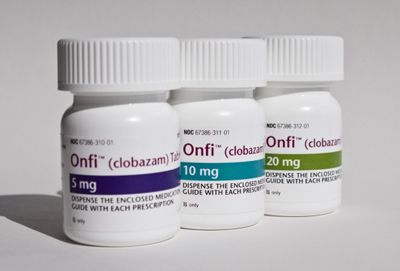
 Onfi is a popular drug used to treat seizures, such as those experienced by epilepsy patients. When the Food and Drug Administration (FDA) released a public warning about the risk of serious skin reactions caused by Onfi side effects, the Epilepsy Foundation quickly did their best to spread the word.
According to the Foundation’s official statement, “Onfi can cause rare but serious skin reactions that can result in permanent harm and death.” The allergic skin reaction they’re referencing is Stevens Johnson Syndrome (SJS). This reaction is almost always caused by an adverse drug reaction, and Onfi has joined the list of medications predisposed to causing the syndrome.
“Patients taking Onfi should seek immediate medical treatment if they develop a rash, blistering or peeling of the skin, sores in the mouth, or hives,” the Foundation warns.
SJS is still relatively rare—so much so that many doctors haven’t seen it in person. It can often present as a harmless rash in the first day or two, and this means many people are turned away even if they head to the emergency room. There are cases of children as young as 2 dying overnight from SJS because of a wrong diagnosis.
“Health care professionals should discontinue the use of Onfi and consider an alternate therapy at the first sign of rash,” the site warns. Since epilepsy is experienced by very young children as well as adults, what may look like diaper rash could actually be SJS, and infants are particularly vulnerable to such reactions.
SJS turns into toxic epidermal necrolysis (TEN) when the blisters cover more than 30 percent of the body. This reaction “can occur at any time during Onfi treatment,” says the Foundation.
A person could have been taking Onfi for years with no sign of trouble, but Onfi SJS can strike at any time. However, “the likelihood of skin reactions is greater during the first eight weeks of treatment, or when Onfi is stopped and then re-started,” the Foundation site notes. “All cases of SJS and TEN in the FDA case series have resulted in hospitalization, one case resulted in blindness, and one case resulted in death.”
It’s important to note that these are just cases that the FDA has recorded—there may be many others under the radar. Almost always, someone with SJS is treated in the burn unit, although there’s no actual cure for SJS.
Instead, the symptoms are treated in the hopes that it was caught in time so the body can repair itself. The Foundation notes that “Onfi is a benzodiazepine medication used in combination with other medicines to treat seizures associated with a severe form of epilepsy called Lennox-Gastraut Syndrome. Serious skin reactions have not generally been associated with other benzodiazepines.”
The growing number of victims joining Onfi class action lawsuits claim the drug is unreasonably dangerous, and they were never properly warned about the Onfi complications that may occur.
“The Onfi drug label has been revised to add information about the risk for serious skin reactions to the Warnings and Precautions section and to the Medication Guide,” says the Foundation, but that’s a move that’s too late for Onfi sufferers.Specifically, the updated label reads: “Serious skin reactions, including SJS and TEN, have been reported with Onfi in both children and adults during the post-marketing period. Patients should be closely monitored for signs or symptoms of SJS/TEN, especially during the first 8 weeks of treatment initiation or when re-introducing therapy.”
In general, SJS lawsuits are filed individually by each plaintiff and are not class actions.
Do YOU have a legal claim? Fill out the form on this page now for a free, immediate, and confidential case evaluation. The attorneys who work with Top Class Actions will contact you if you qualify to let you know if an individual lawsuit or class action lawsuit is best for you. Hurry — statutes of limitations may apply.
ATTORNEY ADVERTISING
Top Class Actions is a Proud Member of the American Bar Association
LEGAL INFORMATION IS NOT LEGAL ADVICE
Top Class Actions Legal Statement
©2008 – 2026 Top Class Actions® LLC
Various Trademarks held by their respective owners
This website is not intended for viewing or usage by European Union citizens.
Get Help – It’s Free
Help for Victims of Stevens Johnson Syndrome
If you or a loved one were diagnosed with Stevens Johnson Syndrome (SJS) or toxic epidermal necrolysis (TEN) after taking a prescribed or over-the-counter medication, you may be eligible to take legal action against the drug’s manufacturer. Filing an SJS lawsuit or class action lawsuit may help you obtain compensation for medical bills, pain and suffering, and other damages. Obtain a free and confidential review of your case by filling out the form below.
An attorney will contact you if you qualify to discuss the details of your potential case at no charge to you.
Oops! We could not locate your form.











One thought on Epilepsy Foundation Warns of Onfi SJS Risks