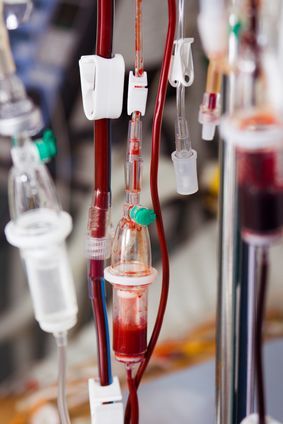
 Eliquis and other anticoagulants are prescribed by doctors to patients diagnosed with atrial fibrillation. While atrial fibrillation does pose several health complications that are potentially life-threatening, the alleged dangers of using Eliquis as an anticoagulant treatment may further increase a patient’s risk of injury.
Sometimes, Eliquis works too well in treating atrial fibrillation and other clotting disorders, since there have been medical reports of uncontrollable bleeding associated with use of Eliquis.
Facts About Atrial Fibrillation
Atrial fibrillation is an abnormal heart rhythm condition that 2 million Americans suffer from, according to reports. This heart condition causes a disruption in blood flow through a patient’s heart, which in turn results in the pooling and clotting of blood. These clots can then travel to a patient’s brain and eventually cause a stroke. Blood thinners like Eliquis and Warfarin are prescribed to patients in order to treat atrial fibrillation and to avoid potentially dangerous clotting in the body.
Below are some important facts patients suffering from atrial fibrillation should know about blood thinners like Eliquis.
Doctors use a special formula (which takes into account a patient’s age, gender, and other risk factors) to determine if an atrial fibrillation patient will develop a blood clot. This medical equation can also help a doctor determine if the clot risks requires a patient to take an anticoagulant and helps them determine which drug thinner may be most appropriate.
A physician can also use this medical formula to predict how likely it is that an atrial fibrillation patient will experience bleeding problems if they use an anticoagulant drug treatment, which allows a doctor to make treatment decisions for their patients based on the benefits and risks of using a blood thinner like Eliquis.
In 1954, the FDA approved Warfarin, one of the oldest blood thinners on the market, to help lower the risk of blood clots and strokes. While Warfarin has had success in lowering a person’s risk of atrial fibrillation, it may not be the best blood thinning treatment for patients with a high risk of bleeding.
Decades later, between 2010 and 2013, the FDA approved the anticoagulants Eliquis, Pradaxa, and Xarelto to treat atrial fibrillation. These new generation anticoagulants do not require regular blood monitoring like Warfarin and may be superior in preventing blood clots than this more traditional blood thinner. However, it is important to remember that these new generation blood thinners are not for everyone.
Sometimes, when a patient experience major bleeding or needs emergency surgery, their anticoagulant treatment may need to be reversed. If the blood thinning effects of Warfarin need to be reversed, a doctor can administer Vitamin K to a patient. However, patients using Eliquis, or other new generation blood thinners, do not have a similar bleeding-reversal agent, which can lead to severe internal bleeding injuries and possibly death.
Eliquis Side Effects
Hundreds of patients have been allegedly hospitalized because of Eliquis side effects, some of which have resulted in patient death because of the lack of a bleeding reversal agent. Some commonly reported Eliquis side effects include:
- Bleeding on the brain
- Intestinal bleeding
- Kidney bleeding
- Uncontrolled bleeding
- Deep vein thrombosis (DVT)
- Death
Eliquis Lawsuits
Because of the lack of a bleeding antidote, injuries from Eliquis side effects, and the manufacturer’s alleged negligence in failing to inform consumers of Eliquis bleeding complications, many consumers are choosing to file Eliquis lawsuits.
These plaintiffs allege they suffered from uncontrollable internal bleeding and hemorrhaging after taking the blood thinner. The plaintiffs of these Eliquis lawsuits are seeking monetary compensation for pain and suffering, medical expenses, and other damages related to Eliquis complications.
Many are also seeking punitive damages against Eliquis’ manufacturer in order to set an example for other pharmaceutical companies about the legal importance of warning consumers of all risks associated with new medications.
Do YOU have a legal claim? Fill out the form on this page now for a free, immediate, and confidential case evaluation. The Eliquis attorneys who work with Top Class Actions will contact you if you qualify to let you know if an individual lawsuit or Eliquis class action lawsuit is best for you. [In general, Eliquis lawsuits are filed individually by each plaintiff and are not class actions.] Hurry — statutes of limitations may apply.
Get Help – It’s Free
Join a Free Eliquis Class Action Lawsuit Investigation
If you or a loved one took Eliquis (apixaban) and suffered injuries such as uncontrollable internal bleeding, gastrointestinal bleeding, hemorrhaging, kidney bleeding or death, you may have a legal claim. See if you qualify by filling out the short form below.
An attorney will contact you if you qualify to discuss the details of your potential case at no charge to you.
Oops! We could not locate your form.
ATTORNEY ADVERTISING
Top Class Actions is a Proud Member of the American Bar Association
LEGAL INFORMATION IS NOT LEGAL ADVICE
Top Class Actions Legal Statement
©2008 – 2026 Top Class Actions® LLC
Various Trademarks held by their respective owners
This website is not intended for viewing or usage by European Union citizens.