
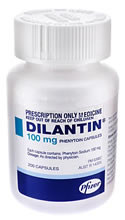
 A Dilantin SJS study details the prevalence of this skin reaction in users of Dilantin, an anticonvulsant medication manufactured and sold by Pfizer Inc.
Stevens Johnson Syndrome (SJS) is a severe skin condition that a patient may develop as an allergic reaction to certain prescription and over-the-counter medications, like Dilantin.
According to a case-control study referenced in in the 2013 edition of the Journal of Pharmacology & Pharmacotherapeutics, 73 adult patients taking anti-epileptic medications were studied for possible Dilantin SJS side effects. Of these patients, 14 developed SJS symptoms. The severity of Dilantin SJS reactions varied patient to patient.
In the case of the main patient studied in the Dilantin SJS research, a 28-year-old Indian woman was originally hospitalized and treated for another medical condition and developed a severe Dilantin SJS reaction during her hospitalization. At first, the patient was hospitalized for a pleural effusion in the left lung. During treatment, she experienced a seizure, at which time physicians administered Dilantin to manage her seizing.
Three days after beginning the Dilantin anti-seizure treatment, the patient developed a fever accompanied by itching and rashes. As soon as the doctors identified the rashes, they stopped administering Dilantin, fearing an SJS reaction, but it was too late. By the fourth day of hospitalization, the woman developed oral ulcers and more skin rashes all over her body.
While the spread of ulcers and rashes were contained and under control, the previously affected skin regions began to peel from the patient’s body, leaving more sensitive dermis layers and mucous membrane exposed. Skin lesions began to appear and worsen, despite treatments, and the patient reported experiencing burning sensations and chills all over her body. After 50 days of hospitalization, the patient finally recovered from her Dilantin SJS ordeal.
Dilantin SJS Side Effects
Dilantin (or phenytoin) is a widely used anticonvulsant medication used to treat and manage seizures and epilepsy. Parke-Davis, a Pfizer subsidiary, created Dilantin in 1937 and gained FDA drug approval for the drug in 1953. To many seizure and epileptic patients, Dilantin is considered a reliable anti-seizure treatment, especially given its 60-year history and use by many consumers.
However, recent studies and news reports have linked Dilantin with several incidences of Steven Johnson Syndrome, which can lead to permanent health problems and even death.
When a patient develops SJS, rashes begin to form on the skin and can quickly progress into a painful, burn-like state. As the SJS reaction becomes more severe, the topmost layer of skin cells die and fall off exposing the deeper, more sensitive skin layers and the delicate mucous membrane exposed to infection. Sometimes, the SJS reaction can even burn and affect internal organs. In extreme Dilantin SJS, a patient may undergo so much trauma from the internal and external side effects of the skin reaction that they may die during hospitalization.
Some symptoms and side effects of Dilantin Stevens Johnson Syndrome to look out for in patients include:
- Painful blistering of the skin and mucous membrane involvement
- In many cases, it is preceded with flu like symptoms and high fever
- As it evolves, the skin literally sloughs off
- Ocular involvement includes severe conjunctivitis, iritis, palpebral edema, conjunctival and corneal blisters and erosions, and corneal perforation
There are over 100 Dilantin SJS lawsuits awaiting trial in federal courts across the nation. More patients or families of Dilantin SJS patients may choose to file Dilantin SJS lawsuits or choose to join Dilantin SJS class action lawsuits.
Do YOU have a legal claim? Fill out the form on this page now for a free, immediate, and confidential case evaluation. The SJS attorneys who work with Top Class Actions will contact you if you qualify to let you know if an individual lawsuit or Dilantin class action lawsuit is best for you. [In general, Dilantin lawsuits are filed individually by each plaintiff and are not class actions.] Hurry — statutes of limitations may apply.
ATTORNEY ADVERTISING
Top Class Actions is a Proud Member of the American Bar Association
LEGAL INFORMATION IS NOT LEGAL ADVICE
Top Class Actions Legal Statement
©2008 – 2026 Top Class Actions® LLC
Various Trademarks held by their respective owners
This website is not intended for viewing or usage by European Union citizens.
Get Help – It’s Free
Help for Victims of Stevens Johnson Syndrome
If you or a loved one were diagnosed with Stevens Johnson Syndrome (SJS) or toxic epidermal necrolysis (TEN) after taking a prescribed or over-the-counter medication, you may be eligible to take legal action against the drug’s manufacturer. Filing an SJS lawsuit or class action lawsuit may help you obtain compensation for medical bills, pain and suffering, and other damages. Obtain a free and confidential review of your case by filling out the form below.
An attorney will contact you if you qualify to discuss the details of your potential case at no charge to you.
Oops! We could not locate your form.











One thought on Dilantin SJS Victim Hospitalized for 50 Days