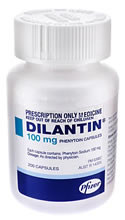
 Dilantin (Phenytoin) is a powerful anticonvulsant drug manufactured by Pfizer. It is used to treat partial seizures and tonic-clonic seizures. Unfortunately, many Dilantin users are unaware that the drug has been linked to the potentially fatal allergic reaction Stevens Johnson Syndrome. Users who experience a Dilantin rash should seek medical help right away.
Dilantin is a popular choice for certain treatment seizure types, which typically occur during or following a surgery to the body’s nervous system or brain. It works by decreasing abdominal electrical activity in the brain. Dilantin blocks sodium channels in the brain, slowing the onset of the seizures, hence preventing a bad reaction.
Like any other medication, Dilantin has a variety side effects to the patient’s health. Without question though, Stevens Johnson Syndrome (SJS) remains one of its worst and most extreme reactions to patients. Potential side effects of Dilantin that may indicate an SJS reaction are:
- Change in blood sugar levels
- Difficulty falling or staying asleep; confusion
- Slower thinking
- Vomiting
- Headache
- Nausea
- Swelling of lips
- Blisters
- Dilantin rash
- Yellowing of eyes or skin
- Unusual bleeding or bruising
- Loss of appetite
- Pain in the upper portion of the stomach
- Flu symptoms
Flu symptoms are particularly concerning, because if they appear within the first two to eight weeks of starting the medication, it could mean the start of SJS. Flu symptoms are known to be the first sign of this condition, which typically last for week; after which the onslaught of red or purple blisters appear, along with skin lesions, swelling, and other deadly side effects. SJS is an extreme allergic skin reaction, which some patients experience after ingesting a medication.
Stevens Johnson Syndrome can be fatal, so patients who suspect that they are affected, are encouraged to consult their physicians immediately. If not, the latent form of this condition, Toxic Epidermal Necrolysis (TEN), could cause almost the entirety of the patient’s body to be covered in lesions, and will most likely be too late to save. Consequences of not receiving treatment for SJS include: blistering, possible blindness, scarring, organ failure, and death.
Currently, experts are unsure as to what exactly triggers SJS in some patients, but it has been hypothesized the links are in medication sensitivity, pre-existing conditions that patient may have, or if other medications are being taken in conjunction with one another. Regardless of the cause, experts state that if a medication has been shown to cause this reaction in even one patient, then the warning for Stevens Johnson Syndrome should be included on the label.
Overview of SJS Complications
Stevens Johnson Syndrome is a very rare condition, with only 300 cases diagnosed per year on average. Patients should be aware of this possibility, and consult their physicians if they have any concerns about any side effects they may be experiencing, including a seemingly innocent Dilantin rash. The signs and symptoms of Stevens Johnson Syndrome are:
- Painful reddish skin rashes
- Red blisters around eyes
- Corneal blisters
- Blisters in the mouth, eyes, ears, nose, throat
- Skin blisters
- Facial swelling, hives
- Swelling of the eyelids
- Skin rash and blisters in ones’ genital areas
- Flu-like symptoms
In general, Dilantin Stevens Johnson Syndrome lawsuits are filed individually by each plaintiff and are not class actions.
Do YOU have a legal claim? Fill out the form on this page now for a free, immediate, and confidential case evaluation. The attorneys who work with Top Class Actions will contact you if you qualify to let you know if an individual lawsuit or class action lawsuit is best for you. Hurry — statutes of limitations may apply.
ATTORNEY ADVERTISING
Top Class Actions is a Proud Member of the American Bar Association
LEGAL INFORMATION IS NOT LEGAL ADVICE
Top Class Actions Legal Statement
©2008 – 2026 Top Class Actions® LLC
Various Trademarks held by their respective owners
This website is not intended for viewing or usage by European Union citizens.
Get Help – It’s Free
Join a Free Dilantin Stevens Johnson Syndrome Class Action Lawsuit Investigation
If you or a loved one were diagnosed with Stevens Johnson Syndrome (SJS) or toxic epidermal necrolysis (TEN) after taking a prescribed or over-the-counter medication, like Dilantin, you may be eligible to take legal action against the drug’s manufacturer. Filing an SJS lawsuit or class action lawsuit may help you obtain compensation for medical bills, pain and suffering, and other damages. Obtain a free and confidential review of your case by filling out the form below.
An attorney will contact you if you qualify to discuss the details of your potential case at no charge to you.
Oops! We could not locate your form.