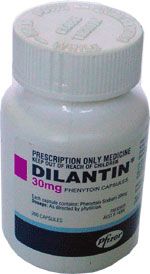
 Side effects of Dilantin, an anticonvulsant drug used for treatment of epilepsy, may increase the risk that some users develop Stevens Johnson Syndrome (SJS) or Toxic Epidermal Necrolysis (TEN), which are serious and potentially fatal skin reactions.
What is Dilantin?
Phenytoin, popularly known as Dilantin, is a drug used to manage and prevent seizures. Manufactured by Pfizer, it was the first modern drug approved by the U.S. Food and Drug Adminisration (FDA) for treating seizures in 1953.
Although primarily used to treat epilepsy, it is also used in hospitals and emergency rooms to prevent seizures following head injuries and to treat severe headaches when traditional medications simply don’t work. Dilantin controls seizures by slowing down brain impulses and reducing the maximum activity of brain stem cells responsible for seizures.
Although Dilantin has proven effective in controlling seizures of this specific nature, Dilantin may also be linked to dangerous side effects like Stevens Johnson Syndrome (SJS) or Toxic Epidermal Necrolysis (TEN).
Alarmingly, there were reports of SJS induced by Dilantin as early as the 1930s, although the drug is currently one of the most widely prescribed anti-seizure medications in the United States.
FDA Warns of Dilantin SJS Risk
The FDA required new warnings about potential Dilantin Stevens Johnson Syndrome side effects to be added to the label for the medication. In a 2008 Health Alert, the FDA cited that Dilantin had an increased risk of SJS and TEN in patients with Asian ancestry. Data suggests that individuals of Asian ancestry who carry the gene allele HLA-B*1602 may face a substantially increased risk of the Dilantin SJS.
Other patients at higher risk for SJS and TEN include African Americans, those with a family history of the diseases, and immuno-suppressed patients. African Americans and Asian Americans are particularly susceptible because of a specific gene that stimulates the immune system into overdrive when the drug is metabolizing. This destroys healthy skin cells at an incredibly rapid pace.
Dilantin Stevens Johnson Syndrome
Regardless of why Dilantin was prescribed, more and more patients are alleging that they contracted SJS and TEN after taking the anticonvulsant.
Stevens Johnson Syndrome (SJS) has been described as burning patients from the inside out and can be worse than third degree burns. It typically starts with flu-like symptoms, develops into a rash and a burning of the skin, internal organs, eyes and throat.
Toxic Epidermal Necrolysis (TEN), a rare disease, is a more severe version of SJS in which a person’s skin is more than 30 percent affected. Asians and African Americans are thought to be more genetically susceptible to it than Latinos, Caucasians and others.
Although many medications can cause SJS or TEN, Dilantin side effects appear to increase the risk, especially among some users of the medication.
Dilantin SJS Lawsuits
Dilantin lawsuits alleging that Pfizer’s anti-seizure drug caused Steven Johnson Syndrome (SJS) and Toxic Epidermal Necrolysis (TEN) are steadily increasing. Dilantin lawsuit allegations indicate that the drug makers may have placed their desire for profits before safety of consumers by failing to adequately warn about the potential skin reactions.
Do YOU have a legal claim? Fill out the form on this page now for a free, immediate, and confidential case evaluation. The SJS attorneys who work with Top Class Actions will contact you if you qualify to let you know if an individual lawsuit or Dilantin class action lawsuit is best for you. [In general, Dilantin lawsuits are filed individually by each plaintiff and are not class actions.] Hurry — statutes of limitations may apply.
ATTORNEY ADVERTISING
Top Class Actions is a Proud Member of the American Bar Association
LEGAL INFORMATION IS NOT LEGAL ADVICE
Top Class Actions Legal Statement
©2008 – 2026 Top Class Actions® LLC
Various Trademarks held by their respective owners
This website is not intended for viewing or usage by European Union citizens.
Get Help – It’s Free
Help for Victims of Stevens Johnson Syndrome
If you or a loved one were diagnosed with Stevens Johnson Syndrome (SJS) or toxic epidermal necrolysis (TEN) after taking a prescribed or over-the-counter medication, you may be eligible to take legal action against the drug’s manufacturer. Filing an SJS lawsuit or class action lawsuit may help you obtain compensation for medical bills, pain and suffering, and other damages. Obtain a free and confidential review of your case by filling out the form below.
An attorney will contact you if you qualify to discuss the details of your potential case at no charge to you.
Oops! We could not locate your form.