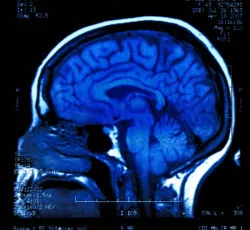
 Dilantin brain degeneration is a serious concern in long-term patients due to several studies connecting phenytoin exposure to cerebellar atrophy. Phenytoin is the main ingredient in this antiepileptic drug, which has been thought to be the primary instigator behind Dilantin brain degeneration and other serious side effects.
Dilantin brain degeneration has been linked to adverse reactions because of phenytoin exposure, with scientists unsure why the biochemical responses may be shrinking the cerebellum. Studies show that long-term phenytoin exposure is more likely to cause cerebellar atrophy, but other inquiries have shown minimal exposure can also introduce the risk.
One study to observe the effects of long-term phenytoin exposure was published in the July 2003 issue of Seizure European Journal of Epilepsy, which analyzed 56 patients prescribed Dilantin.
Researchers found that 20 of the patients had developed cerebellar atrophy and concluded that long-term exposure could result in Dilantin brain degeneration. Researchers noted that the duration of epilepsy could also impact the prognosis of cerebellar atrophy, but not as significantly as phenytoin exposure.
The correlation between cerebellar atrophy and phenytoin exposure was first discovered in 1994 when researchers initially conducted a study to observe how Dilantin affected the brain during seizures. During this time, researchers noticed significantly smaller cerebelli in Dilantin patients and explored the matter further.
After this study was made public, other studies have found that long-term phenytoin exposure may result in Dilantin brain degeneration. Furthermore, studies have found that Dilantin brain degeneration can occur in pediatric patients who are prescribed phenytoin sodium for epilepsy treatment.
Overview of Dilantin Cerebellar Atrophy Problems
Dilantin entered the market in 1953 and has become one of the oldest and most reliable antiepileptic medications in the United States. It was prescribed to numerous patients on a daily basis.
Dilantin works by slowing down electric signals in the brain, which prevents the onset of seizures. Even though Dilantin has helped numerous patients with epilepsy, this drug has been linked to serious side effects like cerebellar atrophy. Also known as focal cerebral atrophy, this condition is described as atrophy or deterioration of the cerebellum.
The cerebellum is part of the brain that is under the cerebrum, which is behind the brain stem. The cerebellum regulates evolutionary functions like posture and movement, allowing the patients to talk and walk smoothly. When the cerebellum deteriorates, the patient can experience symptoms interfering with their ability to speak and move including:
- Unsteady or Lurching Walk
- Slow and Unsteady Movements in Arms or Legs
- Slow and Slurred Speech
- Nystagmus (small rapid eye movements)
- Memory Loss
Cerebellar atrophy can be caused by a number of factors, including traumatic injury or degenerative disease like Alzheimer’s.
Dilantin brain degeneration has been documented in several studies, with the medical community now wary of the possibility. Treatment for Dilantin cerebellar atrophy varies among patients depending on severity and state of prognosis upon discovery.
Even though Dilantin brain degeneration can be devastating to patients, manufacturer Pfizer may have failed to adequately disclose this information to the public. Patients who may have experienced injuries from Dilantin brain degeneration may be eligible for legal action.
In general, phenytoin lawsuits are filed individually by each plaintiff and are not class actions.
Do YOU have a legal claim? Fill out the form on this page now for a free, immediate, and confidential case evaluation. The attorneys who work with Top Class Actions will contact you if you qualify to let you know if an individual Dilantin lawsuit or Dilantin class action lawsuit is best for you. Hurry — statutes of limitations may apply.
ATTORNEY ADVERTISING
Top Class Actions is a Proud Member of the American Bar Association
LEGAL INFORMATION IS NOT LEGAL ADVICE
Top Class Actions Legal Statement
©2008 – 2026 Top Class Actions® LLC
Various Trademarks held by their respective owners
This website is not intended for viewing or usage by European Union citizens.
Get Help – It’s Free
Join a Free Dilantin, Phenytoin Cerebral Atrophy Class Action Lawsuit Investigation
If you or a loved one were injured by Dilantin/phenytoin side effects, you may have a legal claim. Fill out the form for a free case evaluation.
An attorney will contact you if you qualify to discuss the details of your potential case.
Please Note: If you want to participate in this investigation, it is imperative that you reply to the law firm if they call or email you. Failing to do so may result in you not getting signed up as a client, if you qualify, or getting you dropped as a client.
Oops! We could not locate your form.