
 Antibiotics are commonly prescribed across the United States. In fact, most of us have used antibiotics at least once to treat some kind of bacterial infection.
While antibiotics are amongst the safer types of drugs and carry with them very few side effects, some users do experience antibiotic allergic reactions that can be quite serious.
Antibiotic Allergic Reactions
Some antibiotic allergic reactions are relatively harmless, mild reactions that will pass on their own. However, others can become severe or even fatally adverse events, so caution should be taken when dealing with antibiotic allergic reactions.
If an antibiotic side effect appears to be bothersome (painful, getting in the way of daily activities) or otherwise serious, immediately seek medical help. In some cases, patients may need to be taken off the antibiotic, but in other cases the side effects are manageable and can be treated while on the original antibiotic schedule.
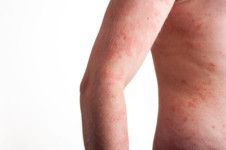
Mild antibiotic allergic reactions are usually a simple skin rash or something similar. However, it is important to note that these kinds of antibiotic side effects can progress into something more harmful, or even fatal, like SJS.
For instance, Zithromax (azithromycin), a popular antibiotic also marketed as Z-pak and Z-max, can result in mild allergic reactions, but has also been linked with the painful and even fatal skin rash known as Stevens Johnson Syndrome, or Zithromax SJS.
The U.S. Food and Drug Administration (FDA) has even agreed that there may be cause for concern. The FDA has asked that the drug’s manufacturer, Pfizer Inc., include on the Zithromax label a warning about the increased risk of developing Zithromax SJS.
What is Zithromax SJS?
Stevens Johnson Syndrome (SJS) is a life-threatening skin condition, and symptoms of this disease should be considered a medical emergency.
The skin condition is essentially an allergic reaction to drugs, like azithromycin, but can become so severe the symptoms resemble burns. SJS is often treated in a hospital’s burn unit due to these similarities.
At first, Zithromax SJS symptoms may be similar to the flu. Patients who have SJS report chills, body aches, and fevers, which by themselves are not altogether concerning.
It is important to be highly aware of these symptoms if a rash follows, however, because if they lead to SJS, the condition can be fatal. If is is SJS and the condition does progress, a purple or red rash spreads quickly across the skin, blistering and letting the top layer of skin die and shed off.
SJS rashes are painful, and can cover up to 30 percent of the body. If more than 30 percent of the body is covered in these rashes, the condition is referred to as Toxic Epidermal Necrolysis, or TEN.
TEN is simply a more severe and dangerous form of SJS, and comes with a greater risk of fatality. While the SJS mortality rate is at 15 percent (still a concerning number), the rate of fatalities in TEN cases is 40 percent.
Zithromax SJS Lawsuits
Zithromax lawsuits
accuse Pfizer of downplaying the severity of azithromycin side effects while simultaneously over-marketing the medication to both patients and the wider medical community. Plaintiffs claim that, had they been adequately warned of the dangers surrounding azithromycin, they would have chosen a safer alternative.
If you have experienced Stevens Johnson Syndrome or other serious symptoms after taking Zithromax, you should seek medical help immediately. If you or someone you know has experienced these symptoms or has been diagnosed with Stevens Johnson Syndrome or Toxic Epidermal Necrolysis after taking azithromycin, you may have reason to file a Zithromax SJS lawsuit.
Do YOU have a legal claim? Fill out the form on this page now for a free, immediate, and confidential case evaluation. The Stevens Johnson Syndrome attorneys who work with Top Class Actions will contact you if you qualify to let you know if an individual lawsuit or class action lawsuit is best for you. [In general, SJS lawsuits are filed individually by each plaintiff and are not class actions.] Hurry — statutes of limitations may apply.
ATTORNEY ADVERTISING
Top Class Actions is a Proud Member of the American Bar Association
LEGAL INFORMATION IS NOT LEGAL ADVICE
Top Class Actions Legal Statement
©2008 – 2026 Top Class Actions® LLC
Various Trademarks held by their respective owners
This website is not intended for viewing or usage by European Union citizens.
Get Help – It’s Free
Help for Victims of Stevens Johnson Syndrome
If you or a loved one were diagnosed with Stevens Johnson Syndrome (SJS) or toxic epidermal necrolysis (TEN) after taking a prescribed or over-the-counter medication, you may be eligible to take legal action against the drug’s manufacturer. Filing an SJS lawsuit or class action lawsuit may help you obtain compensation for medical bills, pain and suffering, and other damages. Obtain a free and confidential review of your case by filling out the form below.
An attorney will contact you if you qualify to discuss the details of your potential case at no charge to you.
Oops! We could not locate your form.












One thought on Did Your Antibiotic Cause Antibiotic Allergic Reactions?