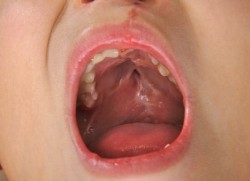
 Pregnant women taking the popular epilepsy medication Depakote are up to 12 times more likely to have a child born with serious birth defects, according to recent studies.
Prescribed to millions of Americans each year, the medication now comes with an FDA Depakote birth defect warning that the drug may cause several serious and even life-threatening conditions.
Fetal exposure especially within the first trimester of pregnancy may result in the following:
- Heart defects
- Brain defects
- Spina bifida and other spinal defects
- Face or skull defects (including cleft palate)
The anticonvulsant medication now comes with a FDA Category D label, based on evidence of fetal risk.
What is Depakote?
Approved by the FDA in 1983, the anti-seizure medication Depakote was prescribed to more than 2 million patients its first year on the market. In 2002, Depakote expanded its reach and began being commonly prescribed to treat other conditions including migraines, pancreatitis, bipolar disorder and manic depression.
By increasing the amount of neurotransmitter gamma aminobutyric acid (GABA) in the brain, the drug reportedly helps prevent certain brain signals that could lead to seizures. However, while the medication may help several medical conditions, pregnant women taking the drug are reporting serious Depakote birth defects that affect the brain, heart and limbs of infants with fetal exposure to the drug.
In addition to the high risk of Depakote birth defects, women have also reported the following side effects of Depakote:
- Nausea
- Tremors
- Headaches
- Diarrhea
- Impaired memory
- Hair loss
- Weight gain
- Coma
- Osteoporosis
- Pancreatitis
A recent European study researched 4 million births and 98,000 birth defects and found that those women taking Depakote were up to 12 times more likely to have a child born with a serious birth defect as opposed to women who were not taking an anti-seizure medication.
In addition to this study, the National Institutes of Health (NIH) released its findings after an investigation on the Depakote side effects of breastfeeding infants. The NIH discovered that Depakote entering the milk supply caused infants to become sedated and drowsy. When breastfeeding mothers stopped taking the medication, the Depakote side effects ceased.
Researchers are encouraging physicians to prescribe alternative anti-convulsant medication to women who are of a childbearing age to reduce the risk of birth defects.
Depakote Lawsuits
A class action lawsuit investigation has been launched into Depakote with claims being made by patients who took the drug and later had a child born with Depakote birth defects. Patients are seeking compensation from Depakote manufacturers Abbott Laboratories for failing to warn the medical community and the public of the high risks of birth defects allegedly caused by taking the drug while pregnant.
A large number of Abbott lawsuits claim the company knew about the possibility of birth defects but intentionally concealed the information from patients.
If you were prescribed Depakote for epilepsy, bipolar disorder, migraines or manic depression and later had a child was born with a Depakote birth defect, you may be able to join a class action lawsuit.
In general, Depakote lawsuits are filed individually by each plaintiff and are not class actions.
Do YOU have a legal claim? Fill out the form on this page now for a free, immediate, and confidential case evaluation. The attorneys who work with Top Class Actions will contact you if you qualify to let you know if an individual lawsuit or class action lawsuit is best for you. Hurry — statutes of limitations may apply.
ATTORNEY ADVERTISING
Top Class Actions is a Proud Member of the American Bar Association
LEGAL INFORMATION IS NOT LEGAL ADVICE
Top Class Actions Legal Statement
©2008 – 2026 Top Class Actions® LLC
Various Trademarks held by their respective owners
This website is not intended for viewing or usage by European Union citizens.
Get Help – It’s Free
Join a Free Depakote Birth Defects Class Action Lawsuit Investigation
If you took Depakote prior to 2010 and your child was born with a birth defect, you may have a legal claim. Fill out the form for a free case evaluation.
An attorney will contact you if you qualify to discuss the details of your potential case.
Oops! We could not locate your form.