

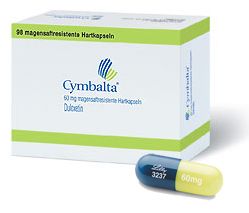
A Cymbalta withdrawal lawsuit was filed against Eli Lilly and Company alleging the company failed to provide adequate instructions on how to stop using Cymbalta. The plaintiff alleges that the way Lilly designed its antidepressant was faulty and that there was no way for her to gradually wean off of the drug.
Plaintiff Maria Brotherton began to use Cymbalta to treat her migraines in May 2010. In 2013, Brotherton decided to cease using Cymbalta as she felt it was not treating her migraines as effectively as she would have liked. However, she allegedly experienced severe Cymbalta withdrawal symptoms as a direct result of trying to wean off of the drug.
The plaintiff complained of Cymbalta withdrawal side effects such as, according to the Cymbalta lawsuit, “brain zaps, headaches, palpitations, blurry vision, nausea, vomiting, memory loss, anxiety and hot/cold flashes.” These side effects have been listed in other Cymbalta withdrawal lawsuits as well.
Brotherton claims that Lilly defectively designed Cymbalta. Cymbalta pills are delayed-release capsules that can only be taken in 20, 30 and 60 mg doses. The instructions on the Cymbalta label state that the drug “should be swallowed whole and should not be chewed or crushed, nor the capsule be opened and its contents be sprinkled on food or mixed with liquids.” Therefore, it is impossible for Brotherton to lower the dosage below 20mg.
Furthermore, the half-life of Cymbalta is extremely low. The half-life of a drug is the amount of time it takes for the drug to be reduced in concentration/effect by half. The half-life of Prozac, another Lilly antidepressant, is seven days. However Cymbalta’s half-life is only 12 hours, meaning it should be taken daily. That means a user may experience Cymbalta withdrawal symptoms just one day after not using the drug (whether a user is trying to stop using Cymbalta altogether or if they simply forgot to take their medication).
The Cymbalta withdrawal lawsuit states that Lilly “should have been aware of the significance of the antidepressant withdrawal,” not only because of their knowledge of the half-life, but because of their own studies on Cymbalta withdrawal.
The Cymbalta warnings suggests that Cymbalta withdrawal is rare, only occurring in 1-2 percent of users. However, in 2005, Lilly conducted a study that showed the risk of Cymbalta withdrawal symptoms was as high as 44-50 percent.
Some users experienced symptoms such as brain zaps and memory loss for two weeks; others experienced these side effects for months. The label does not clearly inform Cymbalta users or doctors of these risks. If it had, Brotherton said in the Cymbalta lawsuit she would never have used the medication, or her doctor would have never prescribed it to her.
Lilly makes billions of dollars in Cymbalta sales every year. It is one of its most profitable drugs. The Cymbalta withdrawal lawsuit accuses Lilly of engaging in “willful, wanton, and reckless conduct, including its defective design of Cymbalta and its failure to fully and accurately warn about the frequency, severity, and/or duration of Cymbalta’s withdrawal symptoms.”
Brotherton has allegedly experienced physical, emotional, and psychological injuries, in addition to anguish and loss of enjoyment of life, due to Cymbalta withdrawal. Many individuals are filing lawsuits against Lilly for failure to warn and are seeking compensation for their pain and suffering. A Cymbalta withdrawal class action lawsuit investigation is currently underway.
This Cymbalta Withdrawal Lawsuit is Maria Brotherton v. Eli Lilly and Company, Case No. 6:14-cv-1817-ORL-22DAB, in the U.S. District Court for the Middle District of Florida.
Do YOU have a legal claim? Fill out the form on this page now for a free, immediate, and confidential case evaluation. The Cymbalta attorneys who work with Top Class Actions will contact you if you qualify to let you know if an individual lawsuit or Cymbalta class action lawsuit is best for you. [In general, Cymbalta withdrawal lawsuits are filed individually by each plaintiff and are not class actions.] Hurry — statutes of limitations may apply.
ATTORNEY ADVERTISING
Top Class Actions is a Proud Member of the American Bar Association
LEGAL INFORMATION IS NOT LEGAL ADVICE
Top Class Actions Legal Statement
©2008 – 2026 Top Class Actions® LLC
Various Trademarks held by their respective owners
This website is not intended for viewing or usage by European Union citizens.
Get Help – It’s Free
Join a Free Cymbalta Withdrawal Class Action Lawsuit Investigation
If you attempted to stop taking Cymbalta and suffered withdrawal symptoms, you may have a legal claim. See if you qualify by filling out the short form below.
An attorney will contact you if you qualify to discuss the details of your potential case at no charge to you.
Oops! We could not locate your form.











