
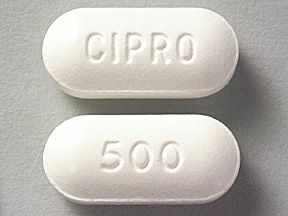
 Stevens Johnson Syndrome (SJS) is a serious, potentially life-threatening skin disease. The most common cause of SJS and toxic epidermal necrolysis (TEN) is an allergic drug reaction after exposure to fluoroquinolone or quinolone antibiotics such as ciprofloxacin (Cipro).
With Cipro Stevens Johnson Syndrome the sufferer can first experience non-specific symptoms, such as headaches, aching body, fever, and a bad cough. Then a rash may develop over the face and trunk of the body, which then spreads to other parts of the body.
The rash is patchy and can spread to various areas of the body. Blistering can then appear, usually in places such as the eyes, mouth, nose and genital area, and the mucous membrane becomes inflamed.
With TEN, another variation of the disease, the skin also begins to come away in large amounts. This leaves the sufferer looking as though he or she has burns. The places where the skin has come away can seep fluids, and there is also a big risk of infection.
Overview of Fluoroquinolone Stevens Johnson Syndrome
Fluoroquinolones or quinolones are among the most widely prescribed antibiotics in the United States, with the most commonly requested medication being Cipro. Despite their popularity, fluoroquinolones like Cipro have been linked to serious and life-threatening side effects.
Stevens Johnson Syndrome is characterized by the red or purplish blisters that appear on the patient’s skin, which causes the infected areas to detach and make the appearance of sloughing off the body. TEN is characterized by covering up to 90 percent of the body in skin lesions, while SJS affects between 10 to 30 percent of the body.
SJS and TEN are specifically caused by an extreme allergic reaction to medication, and symptoms normally appear within two weeks after starting a drug regimen. There are approximately 300 new cases of SJS and TEN diagnosed in the United States per year, and typically appear more commonly in adults than children. If not treated promptly, the patient could suffer permanent organ damage, blindness, skin scarring, and possibly death.
A significant number of patients who report suffering Stevens Johnson Syndrome (SJS) and toxic epidermal necrolysis (TEN) often require hospitalization to prevent the conditions from worsening. Doctors are unsure as to what causes certain patients to suffer SJS or TEN, but theorize it has to do with the patient’s immune system or metabolic process and how these react to antibiotics such as ciprofloxacin.
Do YOU have a legal claim? Fill out the form on this page now for a free, immediate, and confidential case evaluation. The quinolone antibiotic injury attorneys who work with Top Class Actions will contact you if you qualify to let you know if an individual lawsuit or class action lawsuit is best for you. [In general, SJS lawsuits are filed individually by each plaintiff and are not class actions.] Hurry — statutes of limitations may apply.
ATTORNEY ADVERTISING
Top Class Actions is a Proud Member of the American Bar Association
LEGAL INFORMATION IS NOT LEGAL ADVICE
Top Class Actions Legal Statement
©2008 – 2026 Top Class Actions® LLC
Various Trademarks held by their respective owners
This website is not intended for viewing or usage by European Union citizens.
Get Help – It’s Free
Join a Free Quinolone Class Action Lawsuit Investigation
If you or someone you know took Cipro, Levaquin, Avelox or another quinolone antibiotic and were diagnosed with liver failure, Stevens Johnson Syndrome (SJS) or toxic epidermal necrolysis (TEN), you may have a legal claim. See if you qualify by submitting your information below for a free and confidential case review.
An attorney will contact you if you qualify to discuss the details of your potential case at no charge to you.
Oops! We could not locate your form.











One thought on Cipro May Cause Stevens Johnson Syndrome