 Patients suffering from seizures often turn to the medication Dilantin (Phenytoin). Unfortunately, research suggests that Dilantin can lead to further troubles, including a cerebral atrophy prognosis.
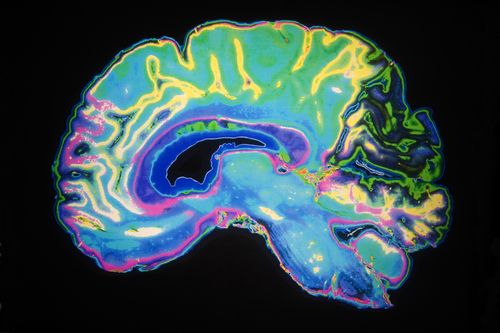
Cerebral atrophy, or shrinkage of the brain, may occur as the result of the anticonvulsant drug Dilantin accumulating in the cerebral cortex area of the brain.
One of the studies looking at this link detailed the case of a 65 year old female patient who allegedly received a cerebral atrophy prognosis after taking Dilantin for a long period of time.
According to the study, the patient’s cerebral atrophy symptoms included trouble walking, going up and down stairs, and performing daily household chores. Even after her dosage of Dilantin was reduced, the woman did not fully regain her sense of balance.
The correlation between Dilantin and cerebral atrophy has been suspected since 1994. In one early study, scientists noted phenytoin patients had significantly smaller cerebeli compared to non-phenytoin patients.
Overview of Cerebral Atrophy Prognosis
Cerebral atrophy occurs when brain tissue deteriorates and loses neurological connections between the different areas of the organ.
This condition can either be focal, or affect the entire brain. The condition has the potential to permanently impair basic movements. Due to its severity, medical diagnosis and early intervention are vital for recovery.
Cerebral atrophy treatment depends on the severity of the case, and what stage the condition is at during diagnosis. Case reports have shown that long term exposure to Dilantin increases the chances of severe cerebral atrophy prognosis, while other studies show that medically supervised withdrawal stopped the progression of the condition in some patients.
Cerebral atrophy symptoms include degrading coordination, walking, and talking. Dilantin patients should see their doctors when they experience:
- Impaired coordination in the trunk or arms and legs
- Unsteady Walking
- Uncontrolled or repetitive eye movements
- Slurred Speech
- Headaches
- Dizziness
Depending on the cause of the condition, a cerebral atrophy prognosis can evolve slowly or quickly.
While there is no cure for the condition, the damage can be controlled with cerebral atrophy treatment.
Patients who have suffered from cerebral atrophy after taking Dilantin may be eligible for a product liability lawsuit. Potential claimants should contact a specialized lawyer to determine if they have a Dilantin cerebral atrophy claim.
In general, phenytoin lawsuits are filed individually by each plaintiff and are not class actions.
Do YOU have a legal claim? Fill out the form on this page now for a free, immediate, and confidential case evaluation. The attorneys who work with Top Class Actions will contact you if you qualify to let you know if an individual Dilantin lawsuit or Dilantin class action lawsuit is best for you. Hurry — statutes of limitations may apply.
ATTORNEY ADVERTISING
Top Class Actions is a Proud Member of the American Bar Association
LEGAL INFORMATION IS NOT LEGAL ADVICE
Top Class Actions Legal Statement
©2008 – 2026 Top Class Actions® LLC
Various Trademarks held by their respective owners
This website is not intended for viewing or usage by European Union citizens.
Get Help – It’s Free
Join a Free Dilantin, Phenytoin Cerebral Atrophy Class Action Lawsuit Investigation
If you or a loved one were injured by Dilantin/phenytoin side effects, you may have a legal claim. Fill out the form for a free case evaluation.
An attorney will contact you if you qualify to discuss the details of your potential case.
Please Note: If you want to participate in this investigation, it is imperative that you reply to the law firm if they call or email you. Failing to do so may result in you not getting signed up as a client, if you qualify, or getting you dropped as a client.
Oops! We could not locate your form.