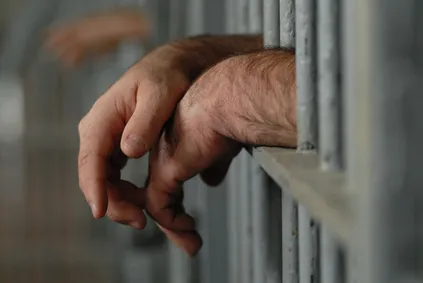
 The state of Maryland has agreed to widen their medical care services at the state-run Baltimore City Detention Center as part of a settlement that will resolve claims in a class action lawsuit on behalf of pretrial detainees at the facility.
The Baltimore jail settlement comes shortly after Maryland Governor Larry Hogan closed the men’s detention center at the complex in July, calling the conditions in the Civil-war era building “inhumane.”
The Detention Center made headlines in 2013 when a federal indictment exposed a drug and cell phone smuggling ring within the jail that involved dozens of gang members as well as sex between inmates and guards. It was alleged that jail workers either stood by or enabled the criminal activities that went on in the center. According to the governor, “Inmates were literally running the prison.”
The terms of the class action settlement require the jail to accommodate individuals with disabilities and establish and adhere to guidelines for assessing and treating detainees to meet their physical and mental health needs.
The current settlement comes as a response to the Public Justice Center and the American Civil Liberties Union’s joint action to reopen a 1993 case that alleged inadequate detainee treatment in the Baltimore jail.
Debra Gardner, legal director at the Public Justice Center, commented: “At last, the Baltimore City Detention Center will provide adequate, timely medical care to detainees instead of abandoning those with injuries and illnesses. After years of litigation, the jail will meet its constitutional and ethical responsibilities to those inside its walls.”
According to the plaintiffs’ attorneys, the 1993 court order, as well as agreements between the detention center and the U.S. Justice Department, failed to improve the jail conditions.
The Baltimore jail settlement from 2009 set forth requirements to assess detainee medical needs shortly after entry, respond to sick call requests within a 72-hour timeframe, provide ongoing medical detainees who suffered from chronic health conditions, accommodate individuals with disabilities and have a psychiatrist on-site at least five days per week.
Plaintiff’s counsel conducted a review of medical records from dozens of inmates and uncovered a lack of timely medical assessments, interruptions in detainees being provided medications for chronic diseases such as diabetes and HIV and shortages of medical equipment such as wheelchairs, among other issues.
Compliance in response to the recently proposed Baltimore jail settlement will include three monitors: one for mental health provisions, one for medical health provisions and the third for physical plant provisions. Compliance reports will be required to be provided to the monitors, and these will also be made available to the plaintiffs to review upon request.
David Fathi, director of the ACLU’s National Prison Project summarized, “We can’t undo the damage the jail has done to so many, but we can celebrate today’s settlement for its commitment to better conditions and for establishing independent monitors who will ensure progress.”
U.S. District Judge Ellen Hollander must still issue final approval for the agreement to become an official court order, and members of the class action lawsuit still have time to comment on it.
The Baltimore Jail Class Action Lawsuit is Jerome Duvall, et al. v. Lawrence J. Hogan, et al., Case No. 1:94-CV-02541-ELH, in the U.S. District Court for the District of Maryland.
ATTORNEY ADVERTISING
Top Class Actions is a Proud Member of the American Bar Association
LEGAL INFORMATION IS NOT LEGAL ADVICE
Top Class Actions Legal Statement
©2008 – 2026 Top Class Actions® LLC
Various Trademarks held by their respective owners
This website is not intended for viewing or usage by European Union citizens.