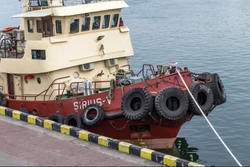
A crewmember is seeking compensation from Hamilton Marine for shipboard injuries he sustained while leaping from one vessel to another.
The man states Hamilton Marine is obligated to pay for these shipboard injuries under the Jones Act and general maritime law, which guarantees crewmen compensation if they get hurt.
Plaintiff James W. states he sustained serious shipboard injuries while being trapped between two vessels, injuries that have left him unable to work. According to the Jones Act lawsuit, he fell between the vessels when trying to jump from one ship to the other and had reportedly sustained painful crush injuries to his lower legs.
These shipboard injuries reportedly occurred on Feb. 24, 2016. James says he has been contending with the long term effects of these problems ever since.
According to the Jones Act lawsuit, there was no ladder or other equipment available that would have made it easier to move between the vessels, and James was not allowed to purchase any equipment that would have made his occupational duties safer.
In addition, the Hamilton Marine vessels were allegedly in poor condition while being in rough waters, which forced James to work at an unreasonably fast pace that compromised his safety. While working at the rapid pace, James says he was unable to take safety precautions for himself that may have helped prevent his shipboard injuries.
The maintenance pay rate was $40 per day and was reportedly cut off before James reached the number of days required for maximum cure coverage. James argues that Hamilton Marine should be required to continue paying maintenance until he reaches maximum cure or becomes fit to return to duty.
According to the Jones Act lawsuit, James is seeking a multitude of damages from Hamilton Marine. He seeks compensation for unpaid wages, with his Jones Act lawsuit stating he was entitled to double wages under state law and other punitive damages under general maritime law.
Overview of Jones Act
Every year, numerous seamen and passengers sustain offshore injuries and should be aware of the different laws in place for their respective situations. Seamen who sustain serious shipboard injuries may be able to pursue their own compensation if they are denied by their respective companies, with them being possible eligible to file a Jones Act lawsuit.
Also known as the Merchant Marine Act, the Jones Act was passed by Congress in 1920 to help seamen seek compensation for serious shipboard injuries while working aboard the vessel. The Jones Act covers a variety of injuries like food poisoning to even death, with the act covering employees who spend 30 percent or more of their time working aboard a ship or a group of ships owned by the same party.
The shipboard injuries covered by the Jones Act may result from:
- Capsizing
- Collisions
- Fires
- Explosions
- Accidents due to Rough Seas
- Slips and Falls
- Food Poisoning
- Falling Objects
- Injuries incurred from Construction
This Jones Act Lawsuit is Case No. 2:18-cv-01756-BAT, in the U.S. District Court of the Western District of Washington, Seattle.
If you sustained an offshore injury as a worker on a commercial vessel or you were subjected to sexual harassment or discrimination as a maritime worker, you may qualify to join this maritime lawsuit investigation.
Fill out the FREE form on this page for more information.
ATTORNEY ADVERTISING
Top Class Actions is a Proud Member of the American Bar Association
LEGAL INFORMATION IS NOT LEGAL ADVICE
Top Class Actions Legal Statement
©2008 – 2026 Top Class Actions® LLC
Various Trademarks held by their respective owners
This website is not intended for viewing or usage by European Union citizens.
Get Help – It’s Free
Join a Free Offshore Injury Lawsuit Investigation
If you qualify, an attorney will contact you to discuss the details of your potential case at no charge to you.
PLEASE NOTE: If you want to participate in this investigation, it is imperative that you reply to the law firm if they call or email you. Failing to do so may result in you not getting signed up as a client or getting you dropped as a client.
Oops! We could not locate your form.