The purposeful PG&E outages intended to prevent fires in 2019 may cost California’s embattled utility giant a whopping $165.7 million. The massive proposed fine, combined with the slew of pending California wildfire damage lawsuits, is another blow to the San Francisco-based subsidiary of PG&E Corporation.
The intentional blackouts continued this year, though to a lesser degree than in 2019, when the Pacific Gas & Electric (PG&E) outages affected millions of northern California residents. As California is increasingly plagued by massive wildfires, the decision to initiate widespread PG&E outages to millions of customers is the first of its kind for a utility company, according to The Verge.
The process did not go smoothly, with the company’s website going down and customers left confused, concerned, and without power—and no knowledge of when the outage would end.
In October, a year after the mass blackouts, the Public Advocates Office—an independent branch of the California Public Utilities Commission—recommended assessing PG&E a large fine for the intentional outages in 2019.
The commission has not yet reached a decision on the potential fine. PG&E has until Nov. 17 to formally respond to the recommendation.
The proposed fine is the result of a proceeding by the Public Advocates Office seeking to examine the utility blackouts for fire prevention.
In large part, the proposed penalty is not because of the PG&E outages themselves, but for the widespread lack of communication between the utility giant and its customers.
Proposed PG&E Penalty
The proposed penalty breaks down like this:
$101.3 million for failing to provide customers who rely on electricity for medical reasons sufficient advance notice about the planned PG&E outages
$41.5 million for PG&E’s faulty website
The remaining $24.7 million for the utility’s failure to coordinate effectively with public safety officials, as well as the general lack of communication with PG&E customers
“When a utility fails to provide these hospitals, fire departments, and people with medical conditions with adequate warning of its decision to execute a (shut-off), it is endangering lives,” Noel Obiora, an attorney for the state Public Advocates Office, wrote in the filing.
PG&E “recognizes the seriousness of the issues” raised in the proceeding, company spokeswoman Lynsey Paulo said in an email, noting that “losing power significantly disrupts people’s lives, especially for those with medical needs and customers sheltering-at-home in response to COVID-19.”
The 2019 PG&E outages prompted the utility to improve its shut-off system for the 2020 California fire season. The utility also provided residents and businesses $86 million in bill credits following the October 2019 shut-offs.
“We have made substantial improvements in the areas of customer notifications, support for customers — including those with medical or independent living needs, website and call center capabilities, and planning and working with local governments,” Paulo said in the email. “We will continue to make additional improvements to support our customers, while working to keep them safe.”
Currently, PG&E has no intention of stopping its electricity cuts due to dangerous weather or fire conditions. Purposeful PG&E outages continued in October 2020, shutting down some 345,000 homes and businesses across 34 counties late in the month. PG&E reports finding at least 76 instances of weather-related damage that could have caused a wildfire.
Mark Toney, executive director of The Utility Reform Network consumer group, said that utility companies need to do a better job of taking into account the consequences that power shut-offs have for customers.
“The fires from the generators. The impact on people’s health who are without electricity on medical devices. The cumulative amount of spoiled food that people have to throw out—these are never really measured and counted, because it’s not a utility expense,” said Toney.
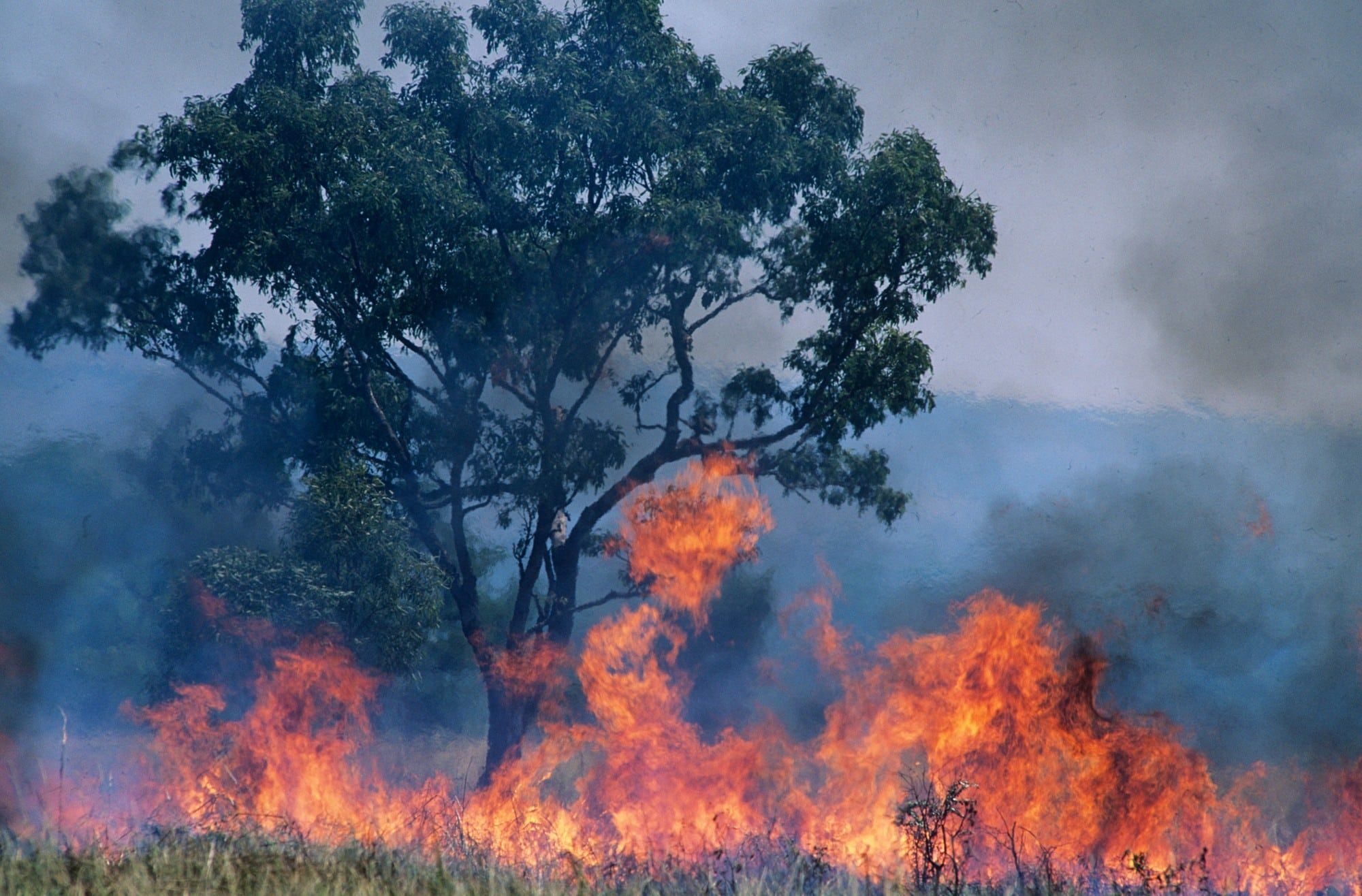
Each year, more and more people lose their homes and businesses due to massive, increasingly destructive California wildfires.
If you have experienced property damage or even tree damage during the 2020 California wildfire season, your insurance company may not have fully compensated you for your losses. If you were underinsured, you can still fight for the compensation you deserve.
Filing a lawsuit can be a daunting prospect, especially while dealing with the devastation caused by a wildfire, so Top Class Actions has laid the groundwork by connecting you with an experienced attorney. Consulting an attorney can help you determine if you have a claim, navigate the complexities of litigation, and maximize your potential compensation.
Join a Free California Wildfire Property Damage Lawsuit Investigation
If you experienced property damage or tree damage during the California wildfire 2020 season, your insurance company should cover your losses.
If you believe your insurer underpaid you for your losses, or if you were underinsured, it is not too late to fight for the compensation you deserve.
Please note: Top Class Actions is not a settlement
administrator or law firm. Top Class Actions is a legal news source
that reports on class action lawsuits, class action settlements,
drug injury lawsuits and product liability lawsuits. Top Class
Actions does not process claims and we cannot advise you on the
status of any class action settlement claim. You must contact the
settlement administrator or your attorney for any updates regarding
your claim status, claim form or questions about when payments are
expected to be mailed out.