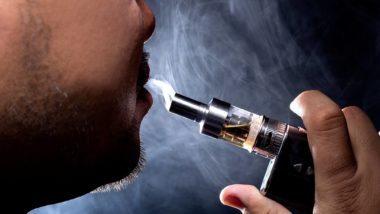
While the presidential election has caught most of the world’s attention, there are a number of other important issues on the ballot as well, including efforts to protect youth health from e-cigarette side effects through new e-cigarette tax laws. Both Oregon and Colorado had major e-cigarette tax ballot measures.
Oregon Ballot Measure 108
In Oregon, Measure 108 sought to increase Oregon’s cigarette tax by $2 per pack. The proposal would also serve to create an e-cigarette tax. Unofficial returns indicate that voters approved the proposal by a wide measure—about 66% in favor versus 33% against.
The previous state cigarette tax had been $1.33 per pack, so Measure 108 will increase that to $3.33. The e-cigarette tax is totally new, and will be set at 65%. The measure will also increase taxes on premium cigars. The tax is supported by organizations like the American Cancer Society and the American Lung Association.
The tax has two main purposes: to generate money for the state (the cigarette tax increase is estimated to bring in about $160 million per year, according to a statement from the Legislative Revenue Office) as well as to protect Oregonians and, in particular, Oregon youth.
The estimated $160 million isn’t just going back to the state—it has a very specific allocation. First, the tax revenue will go to cover the costs of enforcement. Then, 90% of the remaining tax revenues will go to the Oregon Health Authority “for the purpose of funding the maintenance and expansion of the number of persons eligible for medical assistance and funding the maintenance of benefits available under the medical assistance program, including mental health services.”
The remaining funds will also go to the Oregon Health Authority, but specifically for the purpose of distribution to “tribal health providers, urban Indian health programs, regional health equity coalitions, culturally specific and community-specific health programs and state and local public health programs that address prevention and cessation of tobacco and nicotine use by youth and adults, tobacco-related health disparities and the prevention and management of chronic disease related to tobacco and nicotine.”
“‘Tonight’s victory sends a very strong message that once again Oregonians show overwhelmingly the value of health and health care access for all of our neighbors,’ said Elisabeth Shepard, campaign manager for the Yes on 108 campaign. ‘And will show up in force to protect them while also reducing one of the biggest threats to our kids’ health.'”
With the passages of Measure 108, the new taxes will be instituted on Jan. 1, 2021 according to KDRV.com.
Colorado Proposition EE
Colorado also had a cigarette and e-cigarette tax on the ballot: Proposition EE. Under Proposition EE, the tax on a pack of cigarettes would increase from 84 cents to $2.64 by 2027. Other tobacco products will also see a tax increase to about 22% of the manufacturer’s list price, also by 2027.
Prior to Proposition EE, there was no e-cigarette tax in Colorado. The ballot measure introduces a tax on e-cigarettes and other nicotine products. The rate of the e-cigarette tax is set to start at 30% in 2021, and will be increased to 62% by July 2027.
Revenue from the new and increased taxes will be allocated to a variety of health and education programs, including:
Preschool programs cash fund
State education fund
Rural schools cash fund
Housing development grant fund
Tobacco tax cash fund
Tobacco education programs fund
State general fund
The increased cigarette tax and new e-cigarette tax was passed with 68.4% of voters in favor and 31.6% opposed, with 83% of the votes counted as of 11:01 p.m. on Nov. 4.
“Our kids just won big,” said Jake Williams, executive director of Healthier Colorado, in a statement. “Voters chose to make life-changing investments in our children by providing every kid with access to preschool and implementing smart policy to keep them from getting hooked on nicotine.”
The e-cigarette tax is intended to target the growing youth vaping epidemic, which is growing at an alarming rate among middle and high school students.
Indeed, youth vaping is a particular struggle in Colorado, with one of the highest youth vaping rates in the country. Nearly 26% of high schoolers in the state said that they currently vape nicotine, per a statewide survey of more than 100,000 students.
Some steps have been taken in the state to curb youth vaping, but the new e-cigarette tax is a more sweeping legislative move.
Join a Free E-Cigarette Heart & Lung Lawsuit Investigation
If you or a loved one developed heart or lung problems after using e-cigarettes containing nicotine and/or THC, you may qualify to join this e-cigarette lung injury lawsuit investigation. Learn more by filling out the form on this page for a free case evaluation by a JUUL e-cigarette injury lawyer.
Various Trademarks held by their respective owners
This website is not intended for viewing or usage by European Union citizens.
Get Help – It’s Free
Join a Free E-Cigarette Heart & Lung Injury Lawsuit Investigation
If you qualify, an attorney will contact you to discuss the details of your potential case at no charge to you.
PLEASE NOTE: If you want to participate in this investigation, it is imperative that you reply to the law firm if they call or email you. Failing to do so may result in you not getting signed up as a client or getting you dropped as a client.
Please note: Top Class Actions is not a settlement
administrator or law firm. Top Class Actions is a legal news source
that reports on class action lawsuits, class action settlements,
drug injury lawsuits and product liability lawsuits. Top Class
Actions does not process claims and we cannot advise you on the
status of any class action settlement claim. You must contact the
settlement administrator or your attorney for any updates regarding
your claim status, claim form or questions about when payments are
expected to be mailed out.