 Women who turned to the baby powder products made by Johnson & Johnson are also accusing the company of failing to notify the public about the possibility of developing ovarian cancer from daily use. They say the company never warned about talcum powder cancer risk.
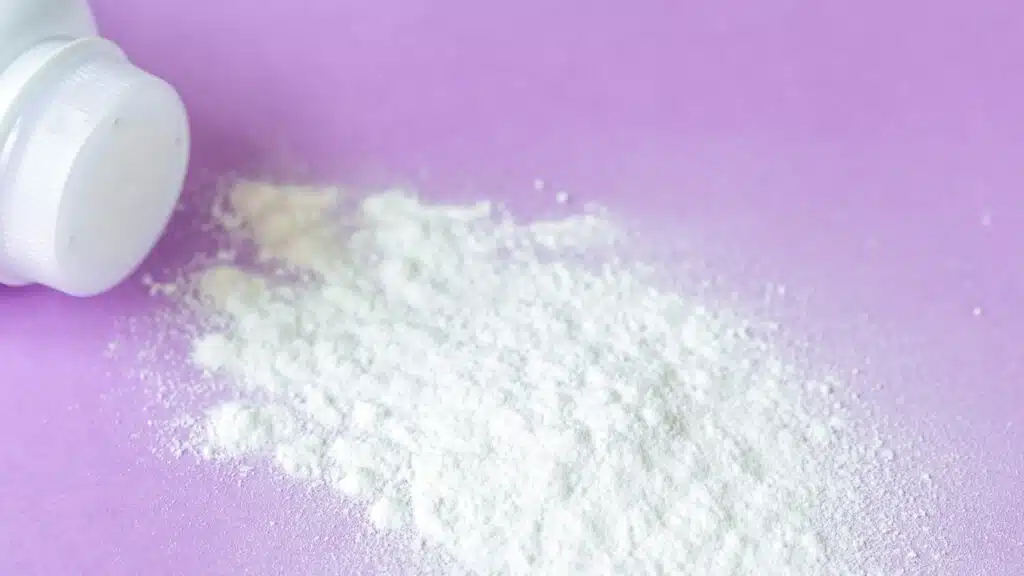
Both Johnson & Johnson baby powder and the Shower to Shower products have been named in many a lawsuit related to concerns about talcum powder cancer risk. Women say they were told the products could be used daily for freshness and comfort but some have developed a cancer diagnosis after decades of doing so.
Plaintiff Janalee M. is the latest woman to allege that Johnson & Johnson failed to warn about talcum powder cancer risk. She filed her lawsuit against Johnson & Johnson, arguing that the company failed to disclose the known risks of developing ovarian cancer for female users who applied the talcum powder for feminine hygiene purposes regularly.
Her lawsuit points out that talc products have been consistently advertised as safe for human use. Talc is mined from the earth and is a magnesium trisilicate, but the talcum powder lawsuit says that it can cause significant damage, including the development of cancer.
This cancer risk lawsuit says that the manufacturer has relied on Johnson’s Baby Powder product as a symbol of purity, cleanliness, and freshness. Additionally, it claims that these marketing claims were made by the manufacturer in order to draw in women to dust themselves with this product to mask odor.
According to the plaintiff, she used the products for feminine hygiene purposes between 1966 and 2000. She says she was diagnosed with ovarian cancer while a resident of the state of North Carolina, in the year 2000.
The studies related to talcum powder cancer risk stretch as far back as 1971, which was the first time that a medical research study drew a connection between ovarian cancer and the use of talc powder. Numerous studies have occurred since that time, as pointed out in her lawsuit.
The talcum powder cancer risk lawsuit says that practically all of the 27 additional epidemiologic studies about the connection between ovarian cancer and talc have shown an elevated risk for ovarian cancer when women use the talc on or near their genitals.
The manufacturers are accused of failing to warn the medical community or the public about the dangers of regular use of talc.
The lawsuit also points out other actions around the world in relation to health concerns with talcum powder. The lawsuit states that in 1996, the condom industry discontinued their practice of dusting products with talc as a direct result of perceived health concerns over ovarian cancer.
The Talcum Powder Cancer Lawsuit is Case No. 1:18-cv-02994, in the U.S. District Court for the District of Columbia.
Do YOU have a legal claim? Fill out the form on this page now for a free, immediate, and confidential case evaluation. The attorneys who work with Top Class Actions will contact you if you qualify to let you know if an individual lawsuit or class action lawsuit is best for you. [In general, baby powder cancer lawsuits are filed individually by each plaintiff and are not class actions.] Hurry — statutes of limitations may apply.
ATTORNEY ADVERTISING
Top Class Actions is a Proud Member of the American Bar Association
LEGAL INFORMATION IS NOT LEGAL ADVICE
Top Class Actions Legal Statement
©2008 – 2026 Top Class Actions® LLC
Various Trademarks held by their respective owners
This website is not intended for viewing or usage by European Union citizens.
Get Help – It’s Free
Join a Free Baby Powder Cancer Class Action Lawsuit Investigation
If you used Johnson’s Baby Powder, Shower to Shower, or another talcum powder product and were diagnosed with ovarian cancer, you may have a legal claim. Family members of loved ones who died of ovarian cancer can also join. Submit your information now for a free case evaluation.
An attorney will contact you if you qualify to discuss the details of your potential case at no charge to you.
PLEASE NOTE: If you want to participate in this investigation, it is imperative that you reply to the law firm if they call or email you. Failing to do so may result in you not getting signed up as a client or getting you dropped as a client.