
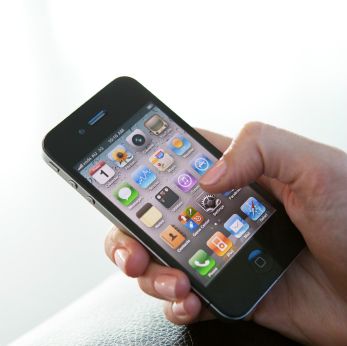
 Sheryl Freeman, a resident of Georgia, is litigating a Telephone Consumer Protection Act (TCPA) class action lawsuit against Tenet Healthcare Corporation and Conifer Health Solutions after these companies allegedly engaged in illegal calling of several patients, including Freeman, for non-emergency purposes.
According to the TCPA lawsuit, as early as Jan. 30, 2014, Tenet and Conifer both left computerized, automated, prerecorded messages on Freeman’s cell phone concerning an alleged hospital debt owed by William Freeman, the plaintiff’s husband. Mr. Freeman had been hospitalized at Spalding Regional Hospital, a hospital owned by Tenet Healthcare Corporation, a year earlier. Mrs. Freeman received several automated calls to her cellphone concerning her husband’s alleged hospital debt, calls which she says she did not give express consent to receive. While Freeman has documentation and/or proof of four such calls, the actual number of calls received from Tenet and/or Conifer is reportedly much higher.
Freeman’s TCPA class action lawsuit states: “Both Conifer and Tenet knew that they did not have the ‘prior express consent’ to call members of the class for debt collection purposes, but did so anyway in spite of such knowledge … telephone calls are an invasion of privacy and violate the privacy interests that the TCPA was intended to protect.”
Tenet and Conifer have both engaged in illegal calling and disturbance of patients and consumers who never gave permission or release for either company to contact them at their private numbers, according to the robocall class action lawsuit. Freeman and her legal representatives are seeking compensation for herself and other similar consumers of $500 for each TCPA violation. Additionally, Freeman is also pursuing an injunction to prohibit future conduct from Tenet and Conifer that violate the TCPA.
What is The Telephone Consumer Protection Act (TCPA)?
In 1991, Congress passed the Telephone Consumers Protection Act to restrict telephone soliciting and telemarketing, especially when used in conjunction with an automatic telephone dialing system. The TCPA also limits how and when a company can use automated dialing systems, prerecorded/computerized voice messages, text messages, and other equipment when contacting clients, patients, and other consumers. More importantly, the TCPA requires that solicitors honor the National Do Not Call Registry.
In Mrs. Freeman;s robocall lawsuit, Tenet and Conifer’s violations of the TCPA include, but are not necessarily limited to, the following:
“Making and/or initiating telephone calls using an automatic telephone dialing system or an artificial or prerecorded voice to any telephone number assigned to a cellular telephone service, in violation of 47 U.S.C. § 227(b)(1)(A)(iii) and 47 CFR § 64.1200(a)(1)(iii).”
Join a Free TCPA Class Action Lawsuit Investigation
If you were contacted on your cell phone by a company via an unsolicited text message (text spam) or prerecorded voice message (robocall), you may be eligible for compensation under the Telephone Consumer Protection Act. Learn more and see if you qualify for a legal claim at the Text Message Spam, Unwanted Cell Phone Calls TCPA Class Action Lawsuit Settlement Investigation.
ATTORNEY ADVERTISING
Top Class Actions is a Proud Member of the American Bar Association
LEGAL INFORMATION IS NOT LEGAL ADVICE
Top Class Actions Legal Statement
©2008 – 2026 Top Class Actions® LLC
Various Trademarks held by their respective owners
This website is not intended for viewing or usage by European Union citizens.









One thought on Ga. Woman Files TCPA Lawsuit Against Healthcare Companies