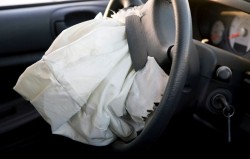
 Several distinct American automobile companies have recalled over 60 million cars for the defective airbags manufactured by Takata Corporation. Honda, General Motors, Toyota, and other big name brands have been deeply affected by the defective Takata airbags, which have been blamed for causing severe to fatal injuries.
According to a recent data analysis from the National Highway Traffic Safety Admission (NHTSA), 60.5 million vehicles have been recalled during the Takata airbag saga, which is almost double the previous record set in 2004, at 30.8 million. Experts state that the number will continue to rise as auto recalls continue to be announced by different companies.
By itself, the defective Takata airbags have led to the recall of more than 8 million vehicles, after numerous injury reports indicated that the airbag inflators could cause the devices to explode and spread dangerous shrapnel. Honda Motor Co., the third largest Japanese auto company, has had to recall 5.4 million vehicles that had the exploding airbags, with four fatalities and over 100 injuries already reported in the United States.
As of now, Takata widened its annual loss forecast to include the recall of these vehicles, and cannot fully estimate the financial damages of the airbag defect. Despite the amount of recalls, numbers collected from Autodata Corp. indicate that consumers have not felt deterred from buying a new car. Vehicles sales have reported rose a little over 5 percent this year, which has been the auto industry’s biggest total since 2006. However, experts are also optimistic about the idea of higher safety standards for automobiles, due to the record-breaking numbers of the recent recalls.
Overview of Takata Airbag Complications
Takata Corporation is one of the largest auto parts providers in the United States and is responsible for supplying one of the most widely-used airbags to American car companies. Takata had begun the airbag recall at the beginning of 2013, but investigators have accused the company of knowing about this complication as early as 2001. Passengers have reported being injured by flying shrapnel from the exploding airbags, including small cuts to major stab wounds.
Experts explain that this design flaw stems from the rapid moisture that is produced from humidity, which seeps into the airbag. Due to the fact that these airbags utilize a chemical called ammonium nitrate to ignite inflation in the case of impact, it creates a dangerous and flammable concoction. When the nitrate comes into contact with moisture, it can cause the airbag to explode and send out the lethal shrapnel projectiles.
This issue became so apparent early on that Honda issued its own airbag recall in 2004, but did not report the issue to the NHTSA until 2008 after the number of injury reports did not decrease. Therefore, Honda is also being heavily criticized along with Takata for failing to take any corrective recall actions until 2013. The alleged misconduct by both companies reportedly caused dozens of consumers to be harmed. In response, many have filed legal action against the companies.
Do YOU have a legal claim? Fill out the form on this page now for a free, immediate, and confidential case evaluation. The airbag injury attorneys who work with Top Class Actions will contact you if you qualify to let you know if an individual airbag lawsuit or Takata airbag class action lawsuit is best for you. [In general, airbag injury lawsuits are filed individually by each plaintiff and are not class actions.] Hurry — statutes of limitations may apply.
ATTORNEY ADVERTISING
Top Class Actions is a Proud Member of the American Bar Association
LEGAL INFORMATION IS NOT LEGAL ADVICE
Top Class Actions Legal Statement
©2008 – 2026 Top Class Actions® LLC
Various Trademarks held by their respective owners
This website is not intended for viewing or usage by European Union citizens.
Get Help – It’s Free
Join a Free Takata Airbag Class Action Lawsuit Investigation
If you or someone you know were injured or killed by a Takata airbag explosion, you may have a legal claim. See if you qualify by filling out the short form below.
An attorney will contact you if you qualify to discuss the details of your potential case at no charge to you.
Oops! We could not locate your form.