If you’re considered an essential worker during the coronavirus pandemic, your employer should provide you with everything on a personal protective equipment list for you to perform your job safely in California.
Researchers are learning new dangers and behaviors of this virus daily. They have determined that not only can the virus be transmitted through coughs and sneezes, but potentially through normal breathing and through the eye.
Personal Protective Equipment Definition
Personal protective equipment needed to protect you from the coronavirus will vary depending on the type of job you’re performing. The U.S. Department of Labor’s Occupational Safety and Health Administration (OSHA) divides job duties into different risk categories, including lower, medium, high, or very high occupational exposure risks.
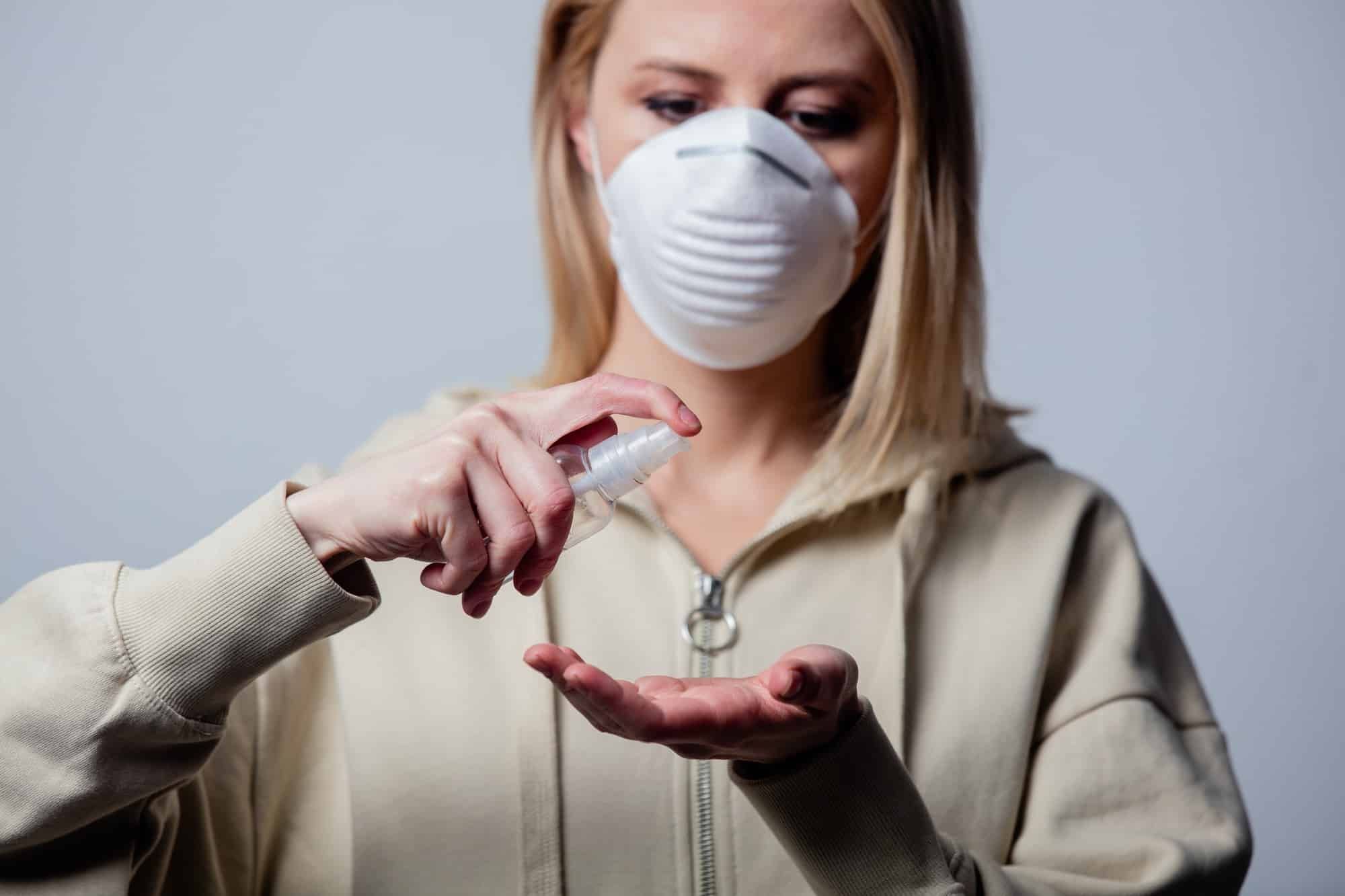
Personal protective equipment includes any precautionary clothing or coverings to keep airborne respiratory secretions from reaching your own respiratory system.
What Should Be on the Personal Protective Equipment List?
California’s essential workers who have contact with other employees or the public should receive gloves, masks, hand sanitizer and cleaning supplies from their employer. In some cases, a full face shield might be necessary because according to a report published in JAMA Ophthalmology, the coronavirus may be transmitted through the eye.
Scientists who analyzed the data of 38 COVID-19 patients from Hubei Province in China found that a dozen of them had the disease manifest in the eye. The symptoms were similar to conjunctivitis, also known as pink eye.
Chinese ophthalmologist Li Wenliang, M.D., was one of the first doctors to sound a warning about COVID-19. He died at the age of 34 from the virus, which researchers theorize he contracted through treating an asymptomatic glaucoma patient in Wuhan, said the American Academy of Ophthalmology.
Grocery store workers and delivery service people are among the workers considered essential to keep basic needs met. An April 14 article from CNN Business says that despite using masks, temperature checks and limiting the number of shoppers allowed in a store at the same time, grocery store employees are dying from COVID-19.
Marc Perrone, president of the United Food and Commercial Workers’ union told CNN that “careless customers” are “probably the biggest threat” to grocery store workers at the moment. A recent poll found 85 percent of grocery store union members said customers do not practice social distancing measures when shopping in their stores.
Some grocery store owners, union representatives, and worker advocates are encouraging grocery stores to close their doors to the public and offer exclusively curbside pickup or home delivery to better protect workers’ health.
The California Department of Industrial Relations advises store managers to set up barriers to block or create physical distance between the employee and customer, but if that’s not possible, “employers should provide face masks to those workers in the grocery industry with regular close contact with the public, such as cashiers, pharmacy workers and baggers.”

The regulation agency also states that any employee who has to clean and disinfect collection points where recyclables or reusable containers are processed must be provided with PPE. This specific personal protective equipment list includes impermeable disposable gloves and coveralls, eye protection, and a mask that protects against splashing liquids. The employer is also required to train the employee on the safe use and safe removal of such PPE.
In some fast-food settings, employees share headsets upon shift changes. While sanitizing wipes should always be used before and after the headset is used, the Centers for Disease Control and Prevention now recommends that employees not share headsets or any other devices that are near the nose or mouth.
Should Employers Be Responsible For Providing Essential Workers With PPE?
According to OSHA, employers are responsible for complying with OSHA’s PPE standards, including the Respiratory Protection standard, when it applies.
The California Department of Public Health has identified categories of essential employees who may have a variety of PPE needs during the coronavirus pandemic. The personal protective equipment list will vary depending upon the essential worker’s contact with the public, other employees and potentially contaminated waste.
What to Do If Your Employer Isn’t Covering Your PPE
Employers are required to provide essential workers in California with the proper PPE to protect them from COVID-19. If your employer fails to provide you with the equipment you need to stay safe, you may be eligible to join a coronavirus class action lawsuit investigation.
Join a Free Coronavirus Essential Employees PPE Lawsuit Investigation
Essential workers in California who have not been provided PPE by their employers may qualify to join a free coronavirus work safety class action lawsuit investigation.
ATTORNEY ADVERTISING
Top Class Actions is a Proud Member of the American Bar Association
LEGAL INFORMATION IS NOT LEGAL ADVICE
Top Class Actions Legal Statement
©2008 – 2026 Top Class Actions® LLC
Various Trademarks held by their respective owners
This website is not intended for viewing or usage by European Union citizens.

Suing for unpaid wages in California: Recover unpaid overtime, back pay and more
April 2, 2026 | Legal News