

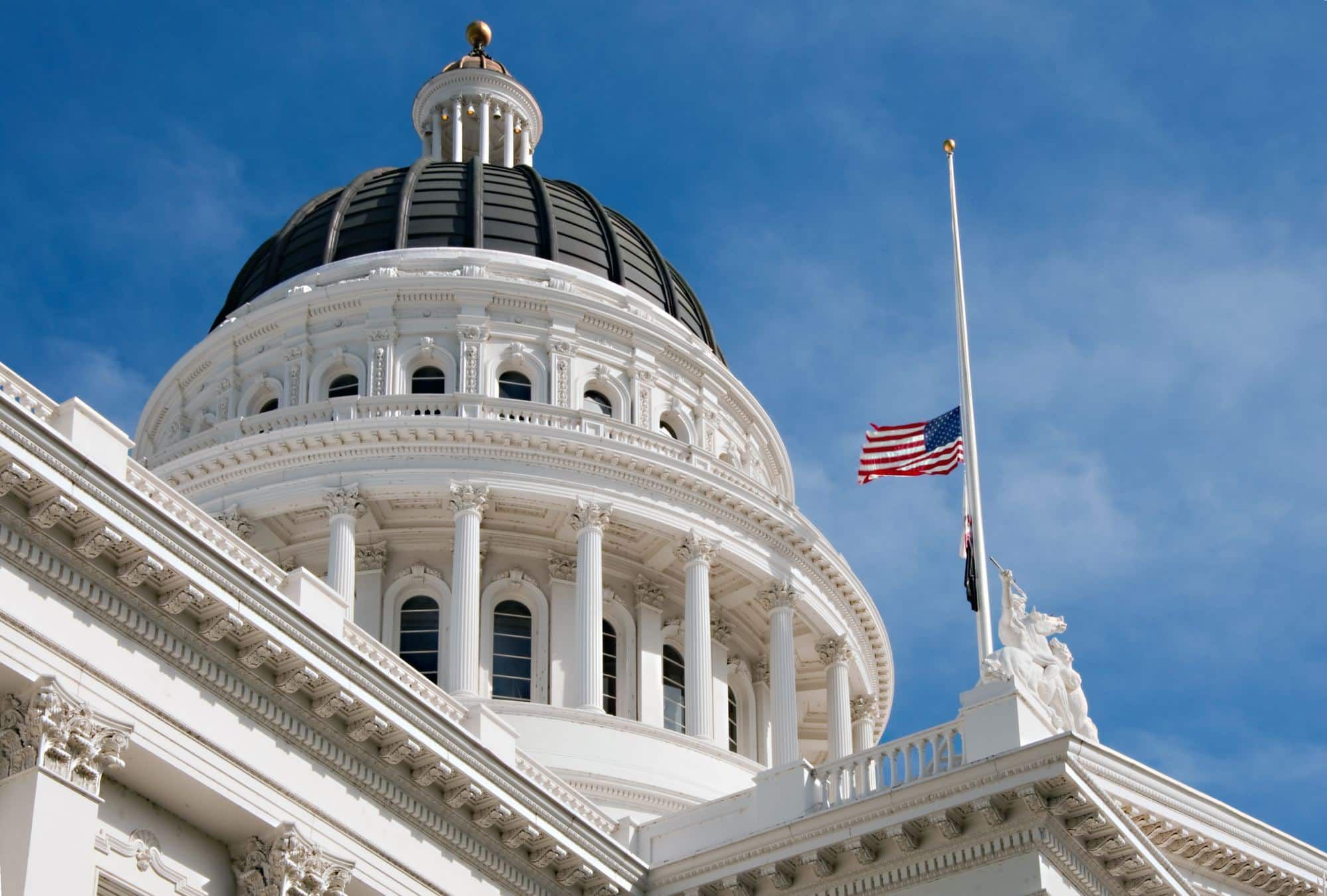
A proposed California law would allow employees muzzled by non-disclosure agreements alleging harassment to speak out publicly.
Senate Bill 331, also known as the “Silenced No More Act,” was introduced to the legislature Monday by state Senator Connie Leyva.
If passed, the law would empower employees bound by non-disclosure agreements to speak up if they encounter harassment or discrimination at the work place.
The proposed law is co-sponsored by the California Employer Lawyer Association and Equal Rights Advocates, according to The Mercury News.
The Silenced No More Act builds on a law championed by Sen. Leyva in 2018.
The so-called STAND Act was passed at the height of the #MeToo movement, and allowed employees alleging sexual harassment and bound by NDAs to speak publicly, but did not protect other harassment claims.
Sen. Leyva said the need for the Silenced No More Act came about in part after allegations two Pinterest employees were being discriminated against.
Two women, who worked on Pinterest’s public policy team, claimed they weren’t paid fairly, endured racist comments from supervisors and had to deal with retaliation after officially complaining, The Washington Post reports.
Pinterest initially dismissed their claims but other women came forward with similar allegations. The case was eventually settled in court, but only on gender claims protected by the STAND Act.
Sen. Leyva said the Silenced No More Act expands to include more protections and believes harassment is intersectional.
“It is unacceptable for any employer to try to silence a worker because he or she was a victim of any type of harassment or discrimination — whether due to race, sexual orientation, religion, age or any other characteristic,” Leyva said in a statement.
Sen. Leyva says NDAs are “inherently harmful” because they allow employers accused of harassment or discrimination to silently cut deals without facing justice.
“Secret settlements clearly play as much a role in perpetuating workplace discrimination, harassment and bias based on race, ethnicity, sexual orientation, age, disability, religion, etc. as they do related to sexual harassment or sex discrimination,” she said.
Working to resolve systemic racism can only work if there are laws allowing workers’ voices to be heard, Sen. Leyva said.
While Pinterest settled with the two women, the company still faces repercussions from the alleged mistreatment of Black and female employees.
In December, investors with a retirement fund in Rhode Island filed a lawsuit over Pinterests alleged sex-based bias and racial discrimination.
“This bill is critically important to ensure that workers never have to sign away their ability to speak out about harassment or discrimination as a condition of their employment or to settle a claim,” Sen. Leyva said.
What do you think about the Silenced No More Act? Have you experienced work place harassment? Let us know in the comment section below!
Read About More Class Action Lawsuits & Class Action Settlements:














One thought on Silenced No More Act Would Exempt Harassment Claims From NDA Protections
I have received workplace harassment due to my MS.