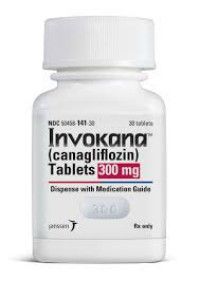
 A diabetes patient from Pennsylvania says SGLT2 inhibitors like Invokana are defective, dangerous and lacking in proper warnings.
Plaintiff Rebecca H. says she started taking Invokana in November 2014 at her doctor’s direction as a treatment for her type-2 diabetes. In March 2015, she says she was hospitalized with symptoms of nausea, vomiting and dehydration. Her physicians diagnosed her with diabetic ketoacidosis.
Rebecca now believes this episode of ketoacidosis can be attributed to the Invokana she had been taking. She says she could have avoided this dangerous condition had the drug’s manufacturers issued a proper warning about the associated risk.
In her Invokana lawsuit, Rebecca names as defendants Janssen Pharmaceuticals, Johnson & Johnson, Mitsubishi Tanabe, and their associated business entities, all of whom are allegedly involved in the manufacture and sale of Invokana.
SGLT2 Inhibitors and Ketoacidosis
Invokana is also known as canagliflozin, its generic name. First approved by the FDA in 2014, Invokana is one of the newer diabetes drugs on the market. It’s used to help reduce the high levels of blood sugar associated with type-2 diabetes.
Invokana is part of a class of diabetes drugs called SGLT2 inhibitors. These drugs reduce blood sugar by inhibiting glucose reabsorption in the kidneys.
Ketoacidosis is a condition in which the blood’s acidity rises to dangerous levels. It’s caused by the presence of an excess of ketones, acidic compounds that are produced by fat metabolism.
When cells can’t get enough glucose to meet their energy needs, they start using fat for energy instead. Cells that are severely starved for glucose may produce an abundance of ketones, putting the patient at risk for ketosis.
Ketoacidosis is considered a serious medical emergency. Patients with this condition are at risk for coma and possibly death.
In May 2015, the FDA issued a drug safety communication addressing the risk of ketoacidosis associated with SGLT2 inhibitors.
The agency said that between March 2013 and June 2014, it received reports of 20 cases of ketoacidosis suffered by patients taking these drugs. All patients reportedly required emergency room treatment or hospitalization.
The FDA followed up in December 2015, adding a new warning to the label for SGLT2 inhibitors about the risk of ketoacidosis. The agency now recommends patients stop taking their SGLT2 inhibitor immediately and seek medical attention if they experience any symptoms of ketoacidosis.
The Invokana MDL
Dozens of other patients who had an experience similar to Rebecca’s have brought Invokana lawsuits of their own. Many of these patients believe the makers of Invokana and similar drugs knew about the risk of ketoacidosis but kept that information to themselves to avoid harming sales of their drugs.
In anticipation of more such claims being filed, the federal court system has created a multidistrict litigation, or MDL, to handle them all. All relevant cases will be transferred to a federal court in New Jersey, where U.S. District Judge Brian R. Martinotti will oversee coordinated pretrial procedures.
Rebecca’s Invokana Lawsuit is Case no. 3:17-cv-01636. The Invokana MDL is In re: Invokana (Canagliflozin) Products Liability Litigation, MDL No. 2750, in the U.S. District Court for the District of New Jersey.
In general, Invokana lawsuits are filed individually by each plaintiff and are not class actions.
Do YOU have a legal claim? Fill out the form on this page now for a free, immediate, and confidential case evaluation. The attorneys who work with Top Class Actions will contact you if you qualify to let you know if an individual lawsuit or class action lawsuit is best for you. Hurry — statutes of limitations may apply.
ATTORNEY ADVERTISING
Top Class Actions is a Proud Member of the American Bar Association
LEGAL INFORMATION IS NOT LEGAL ADVICE
Top Class Actions Legal Statement
©2008 – 2026 Top Class Actions® LLC
Various Trademarks held by their respective owners
This website is not intended for viewing or usage by European Union citizens.
Get Help – It’s Free
Join a Free Invokana Class Action Lawsuit Investigation
If you or a loved one suffered ketoacidosis or kidney failure after taking Invokana, you may have a legal claim. See if you qualify to pursue compensation and join a free diabetes medication class action lawsuit investigation by submitting your information for a free case evaluation.
An attorney will contact you if you qualify to discuss the details of your potential case.
Please Note: If you want to participate in this investigation, it is imperative that you reply to the law firm if they call or email you. Failing to do so may result in you not getting signed up as a client, if you qualify, or getting you dropped as a client.
Oops! We could not locate your form.