Plaintiff Blames Mirena IUD Complications for Ectopic Pregnancy
By Robert J. Boumis
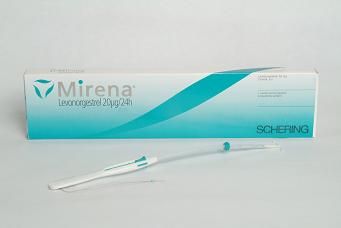 Destiny Asher of Ohio has sued Bayer Healthcare Pharmaceuticals Inc. over alleged Mirena IUD complications. Specifically, she claims the contraceptive device caused her to suffer a ruptured ectopic pregnancy.
The Mirena IUD is a contraceptive device designed to be implanted in a woman’s uterus. Once in place, it slowly releases hormones that discourage conception by thickening cervical mucus and preventing implantation and ovulation. The Mirena IUD is designed to remain in place for up to five years, and is in widespread use throughout the United States and worldwide.
Asher received a Mirena IUD in January 2012. Upon the initial insertion, she did not experience any obvious complications or pain. However, in June 2013, Asher was rushed to an emergency room with severe pain and bleeding. Emergency medical personnel allegedly discovered more than 200 cubic centimeters of blood in Asher’s pelvis. It turned out that Asher had experienced a ruptured ectopic pregnancy, a pregnancy wherein the developing embryo implants outside of the uterus. Usually, this condition causes serious damage, as it did with Asher. According to the Mirena IUD lawsuit, Asher required emergency surgery to remove a damaged ovary and stop the bleeding.
Asher’s Mirena IUD lawsuit alleges that Bayer was aware – or reasonably should have been aware – of the serious risks associated with the contraceptive device based on data from routine post-market surveillance, Bayer’s own clinical trials and peer-reviewed journal articles.
The Mirena IUD lawsuit further alleges that not only was Bayer aware of these risks, but the company continued to aggressively promote the Mirena IUD despite this knowledge. The text of the complaint cites a 2009 letter from the Department of Health and Human Services’ Division of Drug Marketing, Advertising, and Communications that warned Bayer of issues with a direct-to-consumer marketing program for the Mirena IUD. The letter warned that the program exaggerated the benefits of the Mirena IUD and omitted health warnings about the device, downplaying the risk. The Mirena IUD lawsuit goes on to note that the contraceptive device is used by more than 2 million women in the United States and 15 million worldwide.
The Mirena IUD lawsuit is formally titled Destiny Asher v. Bayer Healthcare Pharmaceuticals Inc., et al., Case No. 5:13-cv-01043, in the U.S. District Court for the Western District of Oklahoma.
If you or someone you care about suffered from serious complications after receiving a Mirena IUD, you’ve almost certainly found yourself in a challenging situation. Mirena IUD complications can require surgical intervention, as they did in Asher’s situation. In addition to the emotional shock of emergency surgery, medical intervention can also entail financial burdens, like medical costs and lost wages. Some cases even require follow-up medical care and monitoring. In such a situation, it’s normal to feel overwhelmed and depressed. But you need to remember that regardless of the challenges you’ve found yourself facing, you still have rights, and there are steps that you can take to regain a measure of control over your situation. You can start by visiting the Mirena IUD Injury Class Action Lawsuit Settlement Investigation Lawsuit Settlement Investigation. Here, you can enter information about your situation for a review by a legal expert with a background in this type of litigation. The initial consultation is completely free of charge, and from here, you can receive additional guidance on the best steps to take in your exact situation.
{loadposition content_postads}
All medical device, dangerous drug and medical class action and lawsuit news updates are listed in the Drug and Medical Device section of Top Class Actions.
Top Class Actions Legal Statement