
Lawsuit Says Vaginal Mesh Companies Knew Products Were Defective
By John Curran
 Oklahoma resident Nancy Crabtree is the latest vaginal mesh victim to step forward to sue the manufacturers of her bladder sling products. In a lawsuit filed July 3, Crabtree accuses Boston Scientific, TEI Biosciences, C.R. Bard and Tissue Science Laboratories of manufacturing defective products and failing to warn about their side effects.
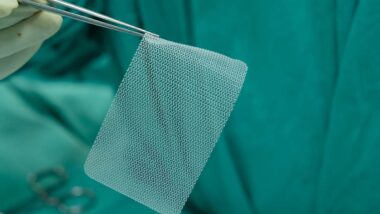
The listed products include Boston Scientific’s Obtryx Trans-Obturator bladder sling implant and Xenform soft tissue repair matrix graft, and C.R. Bard’s Pelvisoft Acellular Collagen BioMesh Graft. Crabtree’s vaginal mesh implant lawsuit attorney includes counts of negligence, defective design, failure to warn, breach of express and implied warranties and negligent misrepresentation in the complaint.
The vaginal mesh lawsuit alleges that Boston Scientific was aware of the biological incompatibility of the polypropylene mesh used in its bladder sling implant, which would lead to failures. The lawsuit also claims that C.R. Bard failed to warn that the mesh used in its Xenform Soft Tissue Repair Matrix was made from freeze-dried animal tissue, which could lead to allergic reactions. Like many other vaginal mesh lawsuits, Crabtree argues that the defective mesh in these devices led to infection and permanent damage, requiring multiple revision procedures.
Her vaginal mesh attorney argues in the lawsuit that with frequent reports of adverse events, the companies had a duty to warn consumers of the increased risks of bladder sling implants compared to other options to treat stress urinary incontinence and pelvic organ prolapse. Not only were synthetic mesh implants more likely lead to bladder sling failures, but surgeons should have been advised to provide patients with more frequent follow-up appointments and inspections to minimize post-surgery risk.
Crabtree is seeking compensatory damages and damages for medical expenses and rehabilitative care, as well as for any other civil violations.
The bladder sling implant failure lawsuit is Nancy Crabtree v. Boston Scientific Corp., TEI Biosciences, Inc., C.R. Bard, Inc., and Tissue Science Laboratories Limited, Case No. 13-cv-11584, U.S. District Court, Eastern District of Massachusetts.
Get Legal Help
Women like Nancy Crabtree who have dealt with problems relating to a defective bladder sling implant or any other related vaginal mesh device have legal options available to them. Learn more and get a free consultation at the Vaginal Mesh Sling Class Action Lawsuit Investigation by filling out the short form there. You may be able to join one of the large consolidations of cases if you are eligible, and these legal actions can speed up the likelihood of a jury award or settlement depending on the merits of one case.
Updated July 18th, 2013
All medical device, dangerous drug and medical class action and lawsuit news updates are listed in the Drug and Medical Device section of Top Class Actions.
Top Class Actions Legal Statement

Cellphone wrong-number robocalls could be worth $500-$1,500 per violation of the federal TCPA
December 12, 2025 | TCPA Class Action Lawsuits








2 thoughts onLawsuit Says Vaginal Mesh Companies Knew Products Were Defective
Want more info about the animal tissue
would love some information on pelvisoft which is animal tissue