FDA Warns of Possible Skin Reactions Linked to Zithromax
By Robert J. Boumis
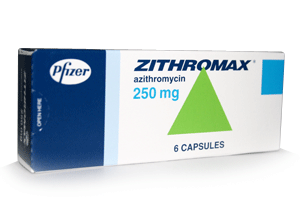 The U.S. Food & Drug Administration or FDA has issued repeated warnings about the risk of Stevens-Johnson Syndrome or SJS associated with the blockbuster antibiotic Zithromax (azithromycin).
Zithromax belongs to the macrolide family of antibiotics. This drug is effective against a wide variety of bacterial infections, including everything from strep throat to sexually transmitted diseases. Because Zithromax works differently and has a different structure than antibiotics of the penicillin family, it can work against penicillin-resistant bacteria. Further, people with penicillin allergies may be able to take Zithromax safely. These favorable traits have made Zithromax a multi-billion dollar cash cow for pharmaceutical companies.
However, some patients who take Zithromax may experience a serious autoimmune reaction called SJS. In SJS, the body’s immune system goes haywire, and attacks the skin as it would attack foreign bacteria. The damage can spread to the eyes or even the internal organs. This potentially-lethal reaction is a painful medical emergency, and may leave survivors with disfiguring and disabling scarring.
The FDA mandated changes to the labeling of Zithromax to reflect these concerns. In both 2011 and 2012, the FDA strengthened warnings about “hypersensitivity reactions” in the contraindications section of the drug’s labeling. Per the most recent prescribing information, these reactions can include SJS and other “dermatological reactions.” The prescribing information also mentions Toxic Epidermal Necrolysis (TEN), an even more serious form of SJS with a mortality rate of 40 percent, compared to SJS’s 5 percent. These changes were approved by the FDA’s Center for Drug Evaluation and Research (CDER), which oversees such concerns.
Lawsuits have been filed against the manufacturers of drugs that can cause SJS. These lawsuits allege that drug manufacturers were aware of these risks, or reasonably should have been aware, based on peer-reviewed research, clinical testing, and routine postmarket surveillance. The lawsuits further allege that not only did manufacturers fail to act on this information in a timely manner, but may have actively concealed these risks, preventing patients and their prescribing physicians from having all of the information they needed to makes informed medical decisions.
If you or someone you care about took Zithromax and went on to suffer from debilitating side effects like SJS or TEN, you’ve almost certainly found yourself in a harrowing ordeal. These autoimmune reactions constitute medical emergencies and may require intensive emergency medical care. In additional to pain and suffering, this situation carries substantial financial burdens, including mounting hospital bills and lost wages. And unfortunately, both SJS and TEN can kill, placing a heavy burden on surviving family members. In addition to the more obvious emotional burdens, an unexpected death can carry substantial financial trials, including final expenses and lost income potential. But you need to remember that regardless of the situation you have found yourself facing, you still have rights, and there are steps that you can take to regain a measure of control over your situation. You can start by visiting the Zithromax, Z-Pak, Azithromycin Heart Attack, Stevens-Johnson Syndrome & Toxic Epidermal Necrolysis Class Action Lawsuit Settlement & Investigation. Here, you can enter information about your situation for a free review by a legal expert with a background in this type of litigation. From here, you can receive specific guidance on the best steps to take in your exact situation.
All medical device, dangerous drug and medical class action and lawsuit news updates are listed in the Drug and Medical Device section of Top Class Actions.
Top Class Actions Legal Statement

How to take legal action for TCPA quiet hours violations
January 15, 2026 | TCPA Class Action Lawsuits