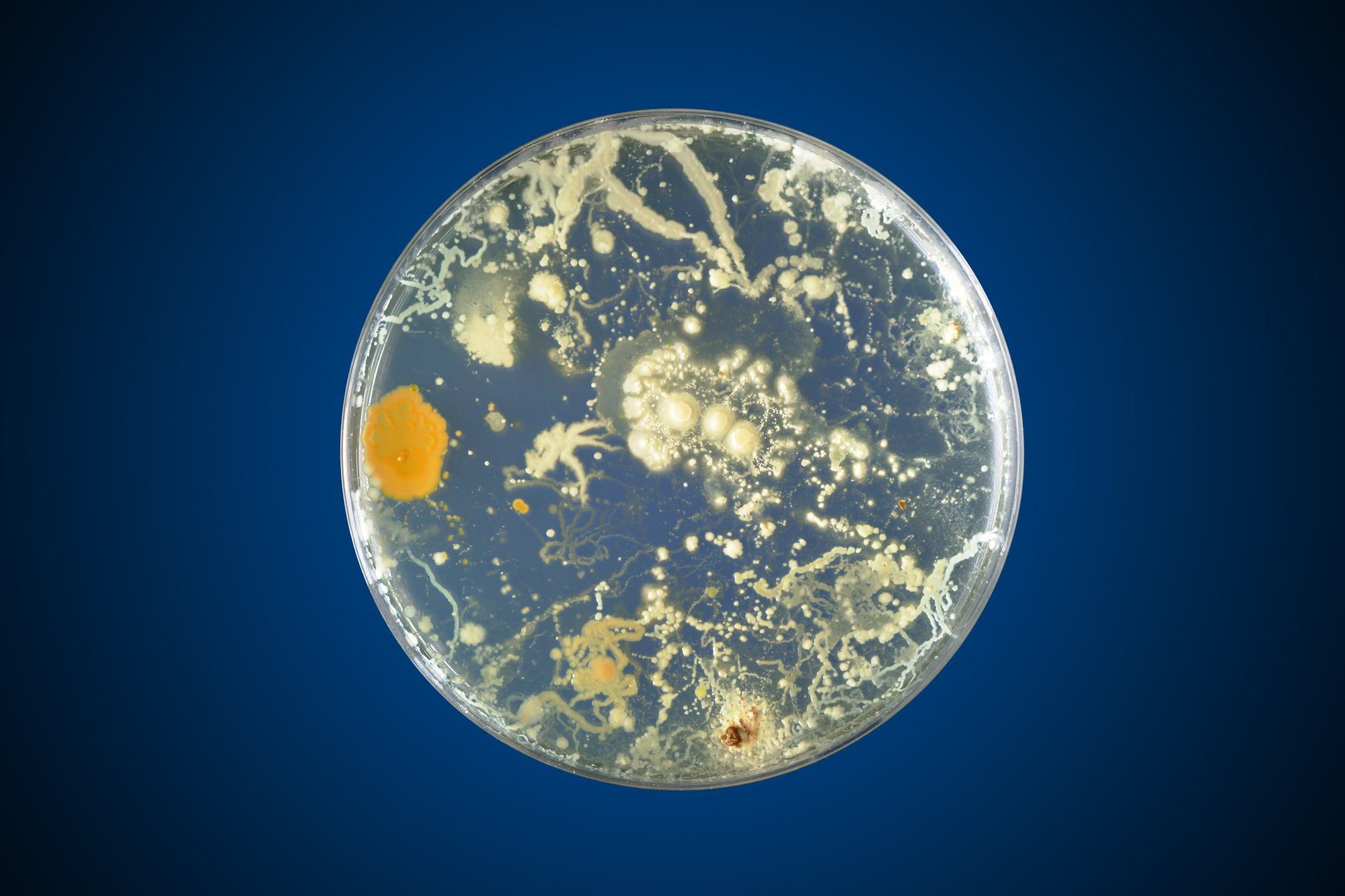
Flesh-eating bacteria can cause a type of bacterial infection known as necrotizing fasciitis, which often results in tissue death, sepsis, and organ failure. The condition generally develops in the connective tissue surrounding muscles, nerves, and blood vessels.
How Do You Get Infected with Flesh-Eating Bacteria?
Flesh-eating bacterial infections are caused by many different types of bacteria. Most cases of necrotizing fasciitis develop due to an existing infection or wound. When bacteria enter the wound and gets under the skin, an infection may develop.
A Tarpon Springs, Fla. man who became infected with flesh-eating bacteria said he contracted the virus after standing in the Gulf of Mexico to fish. George B. had taken his grandson fishing near a canal where a power plant emptied water into the gulf. George spoke to the Tampa Bay Times about how he contracted the life-threatening infection, saying, “I had a couple of scabs on my leg but didn’t think about it.”
A few hours after they finished fishing, George reported that he began to experience a burning sensation in his leg, along with a fever and chills. Once he went to the hospital, he was diagnosed with vibrio vulnificus, one of two types of bacteria that can cause necrotizing fasciitis. Although he required a hospital stay and a round of antibiotics, George was lucky. He developed a large blister on his leg, but the doctors were able to stop the infection before amputation was required.
In another case from Florida, a woman who was scratched by her cat also became infected with flesh-eating bacteria. Unfortunately, by the time she made it to the hospital, the condition had progressed and the woman was diagnosed with sepsis, organ failure, and pneumonia in addition to necrotizing fasciitis. After emergency surgery to remove the infected tissue, a medically induced coma, and several skin grafts, she told FOX 35 that she was lucky to be alive. Speaking about her experience, she said, “I felt like I was going to die. I couldn’t believe this could all happen from a simple scratch.”
Those with compromised immune systems, including the elderly, infants, diabetics, people with liver disease, alcoholics, or anyone taking immunosuppressive drugs may be at additional risk for developing necrotizing fasciitis.
As the condition generally develops due to an existing wound or infection, those with deep muscle, bone, joint, or gastrointestinal infections may be at a higher risk for developing the condition. Although necrotizing fasciitis is serious, it is also fairly rare. Statistics of flesh-eating bacteria infections in the U.S. indicate that between 500 to 1,500 cases of the infection are diagnosed annually.
Patients who take medications including SGLT2 inhibitors for the treatment of type-2 diabetes may be at an increased risk of developing the condition. According to a U.S. Food and Drug Administration (FDA) safety warning, these medications may increase the likelihood of developing Fournier’s gangrene, or flesh-eating bacteria that affects the genitals. This class of drugs works by redirecting excess sugars from the bloodstream and out through the urine – potentially feeding any bacteria in the genital area.
What are the Symptoms of Flesh-Eating Bacteria?
Initial symptoms of flesh-eating bacteria infections may include redness, swelling, and sensitivity. As the condition progresses, the skin pain may increase, and patients may experience fever, chills, fatigue, skin discoloration and scarring, fluid or pus, and sepsis.
What is the Treatment for Flesh-Eating Bacteria?
Treatment for someone who has been infected with flesh-eating bacteria generally consists of several parts. Rapid treatment with antibiotics is the first step, often followed by surgical debridement or removal and cleaning of the infected tissue. Negative pressure wound therapy, or vacuum dressing the wound, may also be recommended. In more serious cases, fluids may need to be administered intravenously, and a breathing tube may be inserted.
The length of treatment may depend on the severity of the infection. Patients who have suffered serious damage caused by the infection may require skin grafting, plastic surgery, and long stays in hospital ICUs or burn units.
As necrotizing fasciitis can spread very quickly, it is important for sufferers to seek immediate medical attention. Without medical intervention, the infection may spread through approximately 3 centimeters of tissue per hour.
As the disease progresses and spreads throughout the body, it also becomes more difficult to treat. Mortality rates associated with flesh-eating bacteria may be as high as 75 percent for patients with Fournier’s gangrene, and those on diabetes medications are already at higher risk. For patients whose arms or legs have been infected with flesh-eating bacteria, the mortality rate is about 25 percent.
Patients who have been infected with flesh-eating bacteria may also be at risk of amputation, kidney failure, sepsis, or skin changes including deep scarring.
Join a Free Diabetes Medications & Flesh-Eating Infection Lawsuit Investigation
The type-2 diabetes medications linked to the flesh-eating infection include:
Invokana
Invokamet/Invokamet XR
Farxiga
Xigduo XR
Qtern
Jardiance
Glyxambi
Synjardy/Synjardy XR
Steglato
Segluromet
Steglujan
If you or a loved one took one of the type-2 diabetes medications listed above and suffered from a flesh-eating genital infection, you may qualify to join this diabetes medication lawsuit investigation. Fill out the FREE form on this page for more information.
Various Trademarks held by their respective owners
This website is not intended for viewing or usage by European Union citizens.
Get Help – It’s Free
Join a Free Diabetes Medications & Flesh-Eating Infection Lawsuit Investigation
If you qualify, an attorney will contact you to discuss the details of your potential case at no charge to you.
PLEASE NOTE: If you want to participate in this investigation, it is imperative that you reply to the law firm if they call or email you. Failing to do so may result in you not getting signed up as a client or getting you dropped as a client.
Please note: Top Class Actions is not a settlement
administrator or law firm. Top Class Actions is a legal news source
that reports on class action lawsuits, class action settlements,
drug injury lawsuits and product liability lawsuits. Top Class
Actions does not process claims and we cannot advise you on the
status of any class action settlement claim. You must contact the
settlement administrator or your attorney for any updates regarding
your claim status, claim form or questions about when payments are
expected to be mailed out.
We use cookies to improve functionality and performance, enhance user experience, and provide tailored content. Click Accept if you consent. Click Change Settings if you want to tailor the use of your cookies.
Accept
Read more
Change Settings
Cookie Box Settings
Cookie Box Settings
Privacy settings
Decide which cookies you want to allow.
You can change these settings at any time. However, this can result in some functions no longer being available. For information on deleting the cookies, please consult your browser’s help function.
Learn more about the cookies we use.
With the slider, you can enable or disable different types of cookies:
This website will:
Remember which cookies group you accepted
Essential: Remember your cookie permission setting
Essential: Allow session cookies
Essential: Gather information you input into a contact forms, newsletter and other forms across all pages
Essential: Keep track of what you input in a shopping cart
Essential: Authenticate that you are logged into your user account
Essential: Remember language version you selected
This website won't:
Remember your login details
Functionality: Remember social media settings
Functionality: Remember selected region and country
Analytics: Keep track of your visited pages and interaction taken
Analytics: Keep track about your location and region based on your IP number
Analytics: Keep track of the time spent on each page
Analytics: Increase the data quality of the statistics functions
Advertising: Tailor information and advertising to your interests based on e.g. the content you have visited before
Advertising: Gather personally identifiable information such as name and location
This website will:
Remember which cookies group you accepted
Essential: Remember your cookie permission setting
Essential: Allow session cookies
Essential: Gather information you input into a contact forms, newsletter and other forms across all pages
Essential: Keep track of what you input in a shopping cart
Essential: Authenticate that you are logged into your user account
Essential: Remember language version you selected
Functionality: Remember social media settings
Functionality: Remember selected region and country
This website won't:
Remember your login details
Analytics: Keep track of your visited pages and interaction taken
Analytics: Keep track about your location and region based on your IP number
Analytics: Keep track of the time spent on each page
Analytics: Increase the data quality of the statistics functions
Advertising: Tailor information and advertising to your interests based on e.g. the content you have visited before
Advertising: Gather personally identifiable information such as name and location
This website will:
Remember which cookies group you accepted
Essential: Remember your cookie permission setting
Essential: Allow session cookies
Essential: Gather information you input into a contact forms, newsletter and other forms across all pages
Essential: Keep track of what you input in a shopping cart
Essential: Authenticate that you are logged into your user account
Essential: Remember language version you selected
Functionality: Remember social media settings
Functionality: Remember selected region and country
Analytics: Keep track of your visited pages and interaction taken
Analytics: Keep track about your location and region based on your IP number
Analytics: Keep track of the time spent on each page
Analytics: Increase the data quality of the statistics functions
This website won't:
Remember your login details
Advertising: Use information for tailored advertising with third parties
Advertising: Allow you to connect to social sites
Advertising: Identify device you are using
Advertising: Gather personally identifiable information such as name and location
This website will:
Remember which cookies group you accepted
Essential: Remember your cookie permission setting
Essential: Allow session cookies
Essential: Gather information you input into a contact forms, newsletter and other forms across all pages
Essential: Keep track of what you input in a shopping cart
Essential: Authenticate that you are logged into your user account
Essential: Remember language version you selected
Functionality: Remember social media settings
Functionality: Remember selected region and country
Analytics: Keep track of your visited pages and interaction taken
Analytics: Keep track about your location and region based on your IP number
Analytics: Keep track of the time spent on each page
Analytics: Increase the data quality of the statistics functions
Advertising: Use information for tailored advertising with third parties
Advertising: Allow you to connect to social sites
Advertising: Identify device you are using
Advertising: Gather personally identifiable information such as name and location