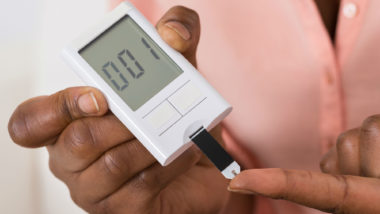
 Segluromet and other type-2 diabetes medications may put patients at risk for a flesh eating bacterial infection affecting the genitals.
In August 2018, the U.S. Food and Drug Administration (FDA) released a safety warning informing the public that the sodium-glucose cotransporter-2 (SGLT2) inhibitor class of type-2 diabetes medication had been linked to infections of flesh eating bacteria.
Drugs in the SGLT2 inhibitor class include Invokana, Invokamet, Invokamet XR, Farxiga, Xigduo XR, Qtern, Jardiance, Glyxambi, Synjardy, Synjardy XR, Steglatro, Segluromet, and Steglujan.
It has been theorized that SGLT2 inhibitors, which prompt the body to excrete excess glucose out through urine, may create a genital environment that encourages the growth of unhealthy bacteria.
The flesh eating bacterial infection associated with SGLT2 inhibitors is Fournier’s gangrene, also known as necrotizing fasciitis of the perineum. The bacteria causing the infection enters the body through a cut in the skin where it can spread through the genitals and perineum, destroying tissue as it spreads.
Between March 2013 and May 2018, there were reportedly 12 cases of Fournier’s gangrene. Although this number may not seem excessive, the FDA notes that there may have been unreported cases. Additionally, there were reportedly only 6 cases among patients on other diabetes medications over the span of 30 years.
So, while Fournier’s gangrene still remains a rare condition even in SGLT2 patients, 12 cases in SGLT2 patients alone between March 2013 and May 2018 prompted the FDA to warn the public of the trend.
Of the 12 patients who were diagnosed with Fournier’s gangrene, all were hospitalized and needed surgery. Some of the patients reportedly required more than one “disfiguring” surgery, some developed complications due to the infection, and one patient died.
Doctors documented a 41-year-old Australian man who was diagnosed with the condition after initially treating himself for genital thrush using over the counter antifungal treatments. After diagnosis, the man reportedly underwent emergency surgery for exploration and debridement of dead tissue. He later received both intravenous and oral antibiotic treatment.
“There is a wide clinical spectrum of genital infections associated with SGLT2 inhibitors with most being generally mild and easily treated,” the doctors noted. “However, risk factors such as diabetes, obesity, immunosuppressed states, smoking, alcohol abuse, and end-stage renal or liver failure may increase the risk of potentially more severe infections such as Fournier’s gangrene.”
The doctors in the case study noted that taking patients off of SGLT2 inhibitors if they are subject to additional risk factors may prevent the progression of genital infections into the flesh eating, life-threatening condition of Fournier’s gangrene.
As a result of the drug class’ recently revealed risks, the FDA has required new warnings for Segluromet and the other drugs. The agency urged diabetes patients to seek medical attention promptly if they experience tenderness, redness, or swelling of the genitals or perineum.
“These symptoms can worsen quickly, so it is important to seek treatment right away,” the FDA noted.
Patients should not make changes to their medication without consulting their doctor first, as untreated type 2 diabetes can be life threatening.
Join a Free Diabetes Medications & Flesh-Eating Infection Lawsuit Investigation
The type-2 diabetes medications linked to the flesh-eating infection include:
- Invokana
- Invokamet/Invokamet XR
- Farxiga
- Xigduo XR
- Qtern
- Jardiance
- Glyxambi
- Synjardy/Synjardy XR
- Steglato
- Segluromet
- Steglujan
If you or a loved one took one of the type-2 diabetes medications listed above and suffered from a flesh-eating genital infection, you may qualify to join this diabetes medication lawsuit investigation. Fill out the FREE form on this page for more information.
ATTORNEY ADVERTISING
Top Class Actions is a Proud Member of the American Bar Association
LEGAL INFORMATION IS NOT LEGAL ADVICE
Top Class Actions Legal Statement
©2008 – 2026 Top Class Actions® LLC
Various Trademarks held by their respective owners
This website is not intended for viewing or usage by European Union citizens.
Get Help – It’s Free
Join a Free Diabetes Medications & Flesh-Eating Infection Lawsuit Investigation
If you qualify, an attorney will contact you to discuss the details of your potential case at no charge to you.
PLEASE NOTE: If you want to participate in this investigation, it is imperative that you reply to the law firm if they call or email you. Failing to do so may result in you not getting signed up as a client or getting you dropped as a client.
E-mail any problems with this form to:
[email protected].
Oops! We could not locate your form.