
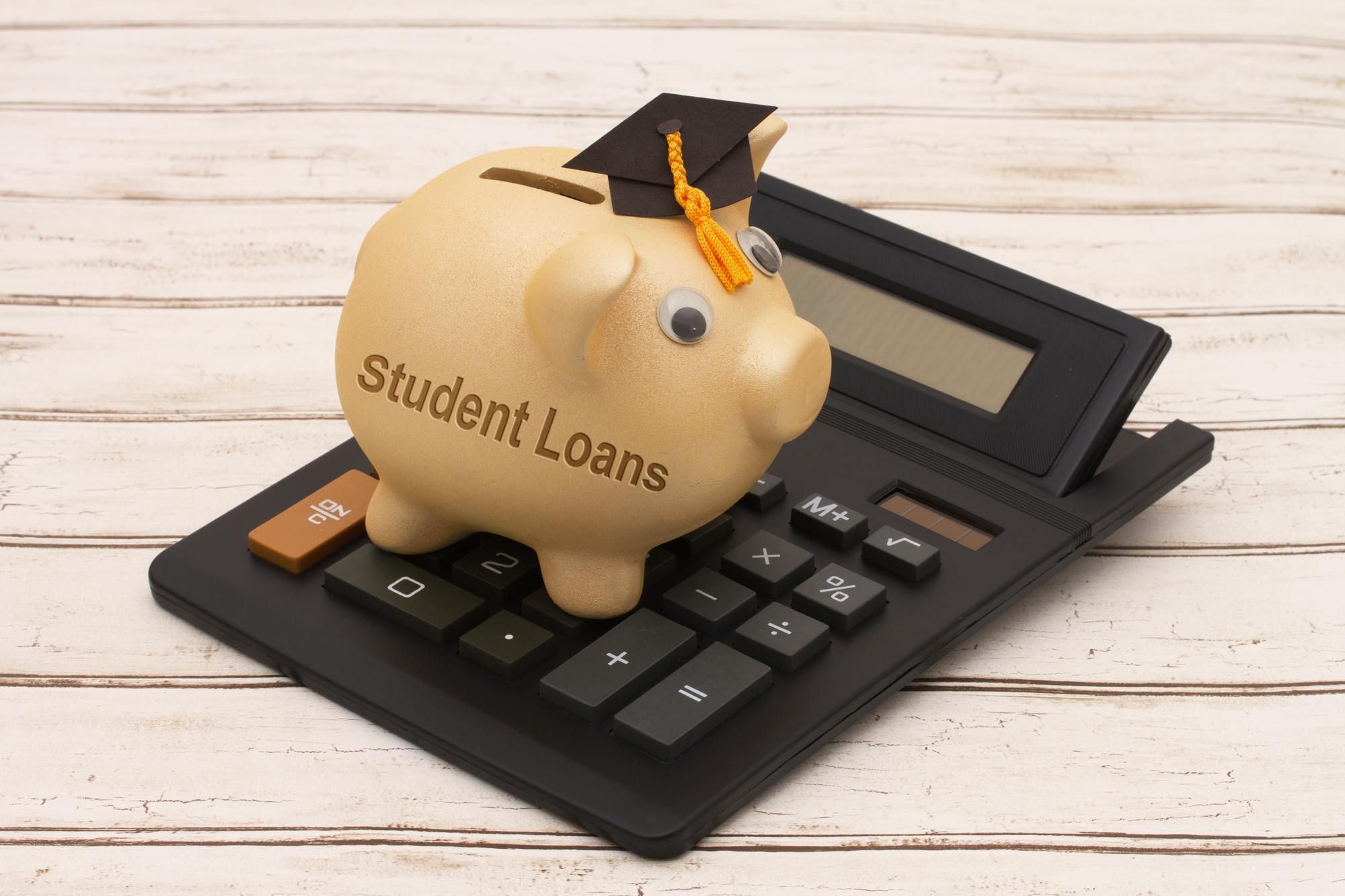
Student loan collection has been halted due to the economic turmoil surrounding the coronavirus crisis, but some companies may still be hounding students.
The federal government has acted to protect consumers from student loan debt collection for six months while citizens grapple with the unforeseen consequences of the COVID-19 pandemic. This moratorium seeks to take some of the pressure off borrowers, but private lenders may not be as understanding.
Private lenders, who hold around 8 percent of the $1.6 trillion in American outstanding student loans, are reportedly continuing with collections proceedings against consumers.
“It is appalling that the private student loan industry continued to threaten litigation and file lawsuits against distressed borrowers in the midst of a pandemic,” Seth Frotman, executive director of advocacy group Student Borrower Protection Center, told the Washington Post.
Despite the financial strain of coronavirus job closures, private student loan holders have allegedly moved forward with student loan collection lawsuits.
Whereas the federal government can seize wages, Social Security benefits, and even tax refunds to repay a defaulted student loan, private lenders are required to file a lawsuit. Through these lawsuits, private lenders are reportedly able to garnish wages or seize various assets if they successfully get a court judgement.
Navient, a private student loan lender, was reportedly filing lawsuits against borrowers in early March but has since halted their proceedings. A spokesman for the company stated that the company made the decision to halt the legal action and other collections “as the significant impact of the coronavirus became more clear.”
National Collegiate Student Loan Trusts allegedly continued to file cases against borrowers through March. According to the Washington Post, after they were contacted about the issue, the lender’s debt collection company Transworld Systems agreed to stop filing new lawsuits for at least two months.
Despite these temporary agreements, borrowers reportedly remain fearful in the face of the current economic situation.
In late March, North Carolina man reportedly received a letter from Iowa Student Loan Liquidity demanding that he pay on a 20 year old student loan debt. Despite believing that the debt had been discharged in bankruptcy ten years ago, the city planner was allegedly told that he would be required to pay a massive sum of $18,400. He claims that this is more than double the amount he originally borrowed.

Although action from advocates and Iowa Attorney General lead the lender to dismiss pending lawsuits and stop filing new cases, the man fears that the reprieve will not last.
“My suspicion is that they will come at borrowers more aggressively once the pandemic clears,” the man added. “I hope they take the high road and simply drop all cases, but I am fearful this won’t be the case.”
Student Loan Collection During Coronavirus
Although student loan collection can be a daunting concept during the coronavirus outbreak, federal regulators have put measures in place to help borrowers while they may be struggling from financial uncertainty. The Coronavirus Aid, Relief, and Economic Security (CARES) Act provides suspension of federally held student loans during this crisis.
Between March 13 and Sept. 30, student loan collection proceedings will be stopped and borrowers will not be required to make monthly payments. In addition, the interest rate has been set to zero percent during this time. Instead, all borrowers will reportedly be placed on an administrative forbearance – although they are allowed to make payments if they want to.
Unfortunately, private loans or federal loans not held by the Department of Education do not apply to this relief. For example, some loans from the Federal Family Education Loan (FFEL) Program are owned instead by private commercial lenders. Similarly, Perkins Loans are not held by the Department of Education and instead fall under the control of the school the student attended.
Borrowers may want to speak to their lenders if they are concerned about making payments on any outstanding student debt. Companies have been authorized to offer a 90 day forbearance period to consumers similar to the relief offered by the CARES Act.
Consumers who have been negatively affected by the coronavirus can reach out to their private lenders to discuss the possibility of deferment or forbearance. If they continue to face harassing student loan collection, borrowers may be able to speak to a qualified attorney to discuss their options.
Join a Free Student Loan Wage Garnishment Lawsuit Investigation
If you had had your wages garnished by FedLoan or AES within the last six years, you may qualify to join this student loan wage garnishment class action lawsuit investigation.
This article is not legal advice. It is presented
for informational purposes only.
ATTORNEY ADVERTISING
Top Class Actions is a Proud Member of the American Bar Association
LEGAL INFORMATION IS NOT LEGAL ADVICE
Top Class Actions Legal Statement
©2008 – 2026 Top Class Actions® LLC
Various Trademarks held by their respective owners
This website is not intended for viewing or usage by European Union citizens.









5 thoughts onStudent Loan Collection May Take Advantage of Americans
Add me please!
I too have been receiving calls from Navient all through the pandemic. All my loans were provided through Sallie Mar not private kenders
I continued to receive calls requesting collection of my debt to be paid in full daily during the pandemic.
Add Me Please
Please add me