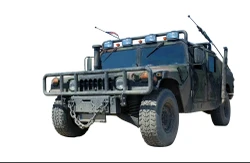
 During the Iraq and Afghanistan wars, there were many cases in which U.S. military service people were severely injured or killed in a roadside bomb attack.
The roadside bomb attack typically involves one of three weapons—the Improvised Explosive Device (IED), the Explosively Formed Penetrator (EFP), and the Improvised Rocket Assisted Munitions (IRAM).
These three types of weapons were allegedly mass manufactured in factories in the nearby country of Iran and funneled into the two war zones in illegal support of terrorist groups that were enemies of the U.S. and other allied forces.
The munition manufacturing that led to several instances of the roadside bomb attack in the years between 2003 and 2011 were financed by several large banks with an international presence, in violation of U.S. law.
The banks that have come forward to claim responsibility for monetarily sponsoring multiple instances of the roadside bomb attack include:
- Barclays PLC
- BNP Paribas SA
- Commerzbank AG
- Crédit Suisse AG and Crédit Suisse Asset Management Limited
- HSBC Holding Group PLC
- Standard Chartered Bank PLC
The Different Types of Munitions Used in the Roadside Bomb Attack
Most often used in guerilla warfare, the IED is responsible for more than half (60 percent) of death on impact and injuries leading to death among military personnel during both wars. A roadside bomb attack using this device is initiated by the use of a detonator, and the bomb itself is typically constructed of military supplies which would be considered normal if not for the method in which they are being used—artillery shells to name just one type of supply.
The EFP munition is frequently hidden off the road by several yards, making them far more easy to hide by terrorist forces. They are additionally often disguised as day-to-day trash leading to further ability to catch soldiers off-guard. Once set off, a roadside bomb attack of this nature is almost always deadly due to the fact that the EFP maintains its integrity over a travel distance of up to 100 yards and that it can penetrate heavy armor such as a tank or truck.
IRAMs are propelled through the air by the use of attached rockets. During wars, they are often launched from the back of moving cargo vehicles using a remote control. Propane tanks are often used for this type of munitions construction. The tanks are filled with explosives rather than propane.
Sanctions and Illegal Funding
The U.S. put sanctions in place that affected the country of Iran, lest it either engage in terrorism or support terrorist activity during these two engagements. The sanctions were designed to restrict the availability of money to create supportive munitions and otherwise reward terrorists.
Nevertheless, according to a 2006 article that ran in Britain’s newspaper The Telegraph, Iran found a way to construct massive factories and create IEDs, EFPs, and IRAMs in large quantities through the illegal financial support of these larger banks.
More recently, former chairman of the Joint Chiefs of Staff—Admiral Mike Mullen—confirmed intelligence reports that Shiite terrorism was backed by funds from these multinational financial entities.
For those soldiers that have suffered injuries or families that have lost loved ones, this confirmation is of little comfort. Nevertheless, compensation is due if you are an injured veteran or spouse of an injured veteran from these conflicts.
If you or a loved one was injured or killed by an IED or EFP while fighting in the Iraq or Afghanistan wars, legal recourse is available. Get help now by filling out the form on this page for a FREE case evaluation.
The attorneys who work with Top Class Actions will contact you if you qualify to let you know if an individual lawsuit or anti-terrorist class action lawsuit is best for you. (In general, anti-terrorist lawsuits are filed individually by each plaintiff and are not class actions.) After you fill out the form, the attorneys who work with Top Class Actions will contact you if you qualify to let you know if an individual lawsuit or class action lawsuit is best for you. Hurry — statutes of limitations may apply.
ATTORNEY ADVERTISING
Top Class Actions is a Proud Member of the American Bar Association
LEGAL INFORMATION IS NOT LEGAL ADVICE
Top Class Actions Legal Statement
©2008 – 2026 Top Class Actions® LLC
Various Trademarks held by their respective owners
This website is not intended for viewing or usage by European Union citizens.
Get Help – It’s Free
Join a Free Iranian IED, EFP Lawsuit Investigation
If you qualify, an attorney will contact you to discuss the details of your potential case at no charge to you.
PLEASE NOTE: If you want to participate in this investigation, it is imperative that you reply to the law firm if they call or email you. Failing to do so may result in you not getting signed up as a client or getting you dropped as a client.
Email any problems with this form to [email protected].
Oops! We could not locate your form.