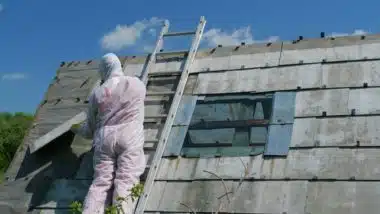

Although smoking is the biggest cause of lung cancer, other risk factors for lung cancer include exposure to asbestos, radon, and more.
What is Lung Cancer?
Lung cancer occurs when cells within the lung tissue mutate and begin to grow out of control. The disease is classified based on how these cells look under a microscope: small cell or non-small cell.
Non-small cell lung cancer is far more common and can include several types of lung cancer such as squamous cell carcinoma, adenocarcinoma, and large cell carcinoma. Small cell lung cancer is rarer and reportedly occurs almost exclusively in heavy smokers.
Unfortunately, lung cancer doesn’t usually show symptoms until it has reached an advanced stage. At this point, symptoms may include a new, persistent cough, coughing up blood, shortness of breath, chest pain, hoarseness, weight loss, bone pain, and headaches.
What Are the Risk Factors for Lung Cancer?
Smoking tobacco products is the largest and most well-known risk factor for lung cancer. Cigarettes are loaded with carcinogens and dangerous chemicals, but even smoking cigars and pipes can lead to an increased risk of lung cancer.
Secondhand exposure to tobacco smoke can also be a risk factor for lung cancer. A single cigar can reportedly produce as much smoke as a whole pack of cigarettes, meaning that the smoker is not the only one put at risk by smoking.
Other risk factors for lung cancer include exposure to dangerous substances such as radon and asbestos.
Radon is a radioactive gas that can be found in the earth. The colorless, odorless gas isn’t as dangerous when outdoors but can pose serious risks when found indoors including causing an increased risk of lung cancer.
Asbestos is another understated cause of lung cancer. This fibrous mineral used to be widely used in construction and other industries due to its natural resistance to heat, electricity, chemical corrosion, and other environmental factors.
 Unfortunately, when asbestos-containing products are disrupted, they release microscopic asbestos fibers into the air. If released asbestos fibers are inhaled, it can cause scarring of the lung tissue and the eventual development of lung cancer. Because of these risks of asbestos exposure, asbestos has been much more heavily regulated for decades.
Unlike other risk factors for lung cancer, asbestos exposure can take a long time to show health effects. Decades may pass before an exposed individual develops cancer from asbestos exposure, meaning that they may not immediately link their lung cancer with exposure to asbestos in a previous job or home.
Exposure to additional risk factors such as radon and asbestos along with smoking can increase the risk for lung cancer as well. Someone who smoked cigarettes and was exposed to asbestos is more likely to develop lung cancer than someone who only smoked cigarettes or was only exposed to asbestos.
Even if you were a smoker and later developed lung cancer, you may be able to take legal action if your cancer was at least in part caused by exposure to asbestos. People who were in the military, worked with cars, or worked in other high-risk occupations may have been exposed to the substance before asbestos was more strictly regulated.
Filing an Asbestos Lung Cancer Lawsuit
More and more cancer patients are turning to litigation with claims that their cancer was caused by exposure to asbestos fibers. Many lawsuits are filed by people who allege that they were exposed while on the job (often in the construction or manufacturing industry), others in the home, and still others through secondhand exposure after family members brought asbestos fibers home on their clothing. Asbestos lung cancer lawsuits have been settled through both jury awards and settlements, sometimes amounting to millions of dollars in compensation.
If you or someone you love has been diagnosed with lung cancer or another asbestos-related cancer after exposure to asbestos fibers, you may be able to file a lawsuit and pursue compensation. Of course, filing a lawsuit cannot take away the pain and suffering caused by a cancer diagnosis, nor can it bring a loved one back to life, but it can at least help to alleviate the financial burden incurred by medical expenses, lost wages, and more.
Filing a lawsuit can be a daunting prospect, especially while also dealing with the aftermath of a cancer diagnosis, so Top Class Actions has laid the groundwork for you by connecting you with an experienced attorney. Consulting an attorney can help you determine if you have a claim, navigate the complexities of litigation, and maximize your potential compensation.
Do YOU have a legal claim? Fill out the form on this page now for a free, immediate, and confidential case evaluation. The attorneys who work with Top Class Actions will contact you if you qualify to let you know if an individual asbestos lawsuit or asbestos class action lawsuit is best for you. [In general, asbestos lung cancer lawsuits are filed individually by each plaintiff and are not class actions.] Hurry — statutes of limitations may apply.
ATTORNEY ADVERTISING
Top Class Actions is a Proud Member of the American Bar Association
LEGAL INFORMATION IS NOT LEGAL ADVICE
Top Class Actions Legal Statement
©2008 – 2026 Top Class Actions® LLC
Various Trademarks held by their respective owners
This website is not intended for viewing or usage by European Union citizens.
Get Help – It’s Free
Join a Free Asbestos Lung Cancer Class Action Lawsuit Investigation
If you or a loved one were exposed to asbestos and developed mesothelioma, lung cancer, or cancer in the lining of the lungs, abdomen or chest cavity, you may be able to take legal action against the companies responsible. Don’t delay – in most states the statute of limitations is two years to file an asbestos lawsuit after you’re diagnosed. Obtain a free and confidential case evaluation by filling out the form below.
An attorney will contact you if you qualify to discuss the details of your potential case at no charge to you.
PLEASE NOTE: If you want to participate in this investigation, it is imperative that you reply to the law firm if they call or email you. Failing to do so may result in you not getting signed up as a client or getting you dropped as a client.
Oops! We could not locate your form.