

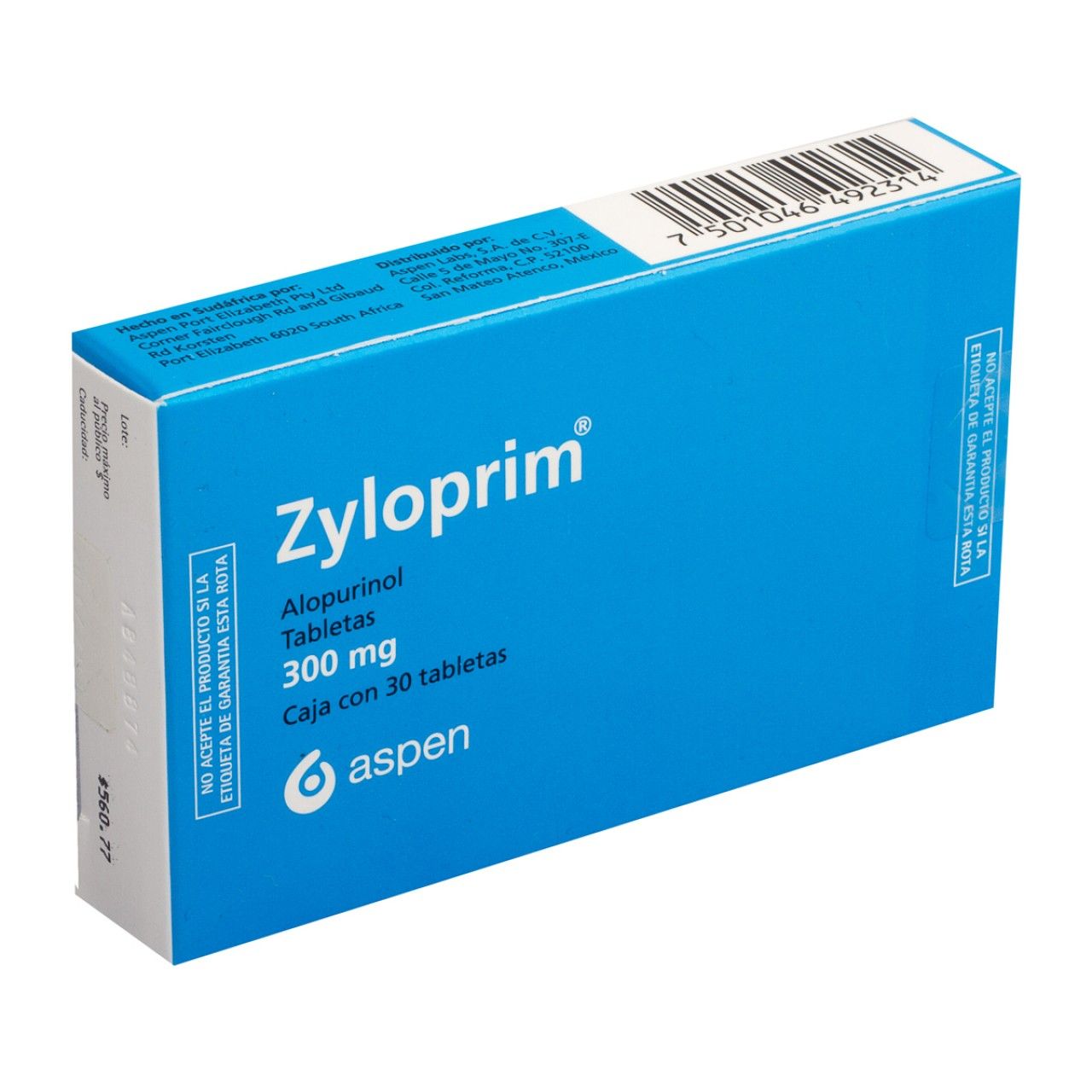
 Patients taking Zyloprim for gout or other conditions may not be aware of the link between that medication and Stevens Johnson Syndrome, a potentially fatal skin condition.
Zyloprim is a brand-name medication known generically as allopurinol. It’s a drug used to treat gout and other conditions associated with uric acid – conditions like kidney stones, or the elevated levels of uric acid that can be caused by some cancer medications.
While Zyloprim can be used to prevent attacks of gout, it is not used to treat such attacks once they occur.
As the warning label for Zyloprim indicates, cases of Stevens Johnson Syndrome have been reported in conjunction with Zyloprim treatment.
In more severe cases, this Zyloprim SJS rash can progress beyond only skin symptoms and cause damage to the eyes or internal organs, and may even end in death.
The Effects of Zyloprim SJS Rash
Stevens Johnson Syndrome is a rare reaction, typically to a medication. It can sometimes be a reaction to some other stimulus like an infection, but these non-drug related cases make up only about 20 percent of SJS cases.
The rest of the SJS cases have at least some association to medications like Zyloprim, one of over 200 different medications that have been implicated in cases of SJS.
Stevens Johnson Syndrome can cause many different symptoms. Probably the most characteristic of these is a rash that usually breaks out over the trunk of the body.
Zyloprim SJS rash then typically spreads over the course of several hours or days, affecting the face or limbs.
The initial symptoms of SJS may precede the actual Zyloprim SJS rash by a few days.
These symptoms may include fever, sore throat, runny nose, cough, red eyes, and body aches. Since these symptoms can resemble other conditions like the flu, they may cause a delay in diagnosis.
As the condition progresses, blisters may form within the areas of rash. These blisters tend to grow and joint together into large areas of skin that come loose and peel away, exposing the lower layer of skin. The loss of the outer layer of skin can significantly raise the patient’s risk of infection.
If a very large proportion of the body surface area is affected this way, the condition may then be called toxic epidermal necrolysis, or TEN. Physicians now generally believe that SJS and TEN are variants of the same condition.
In addition to Zyloprim SJS rash, patients may also suffer from symptoms that affect the mucous membranes. For many patients, this means lesions in the mucous membranes that line the eyelid.
Conjunctivitis is a common effect of SJS, leaving the conjunctiva red, crusted or ulcerated. The cornea can also be affected with scars, opacities or ulcers. These symptoms can in the most extreme cases leave the patient with impaired vision, or they can render them totally and permanently blind.
While Zyloprim SJS rash is treatable, it can still leave the patient with long-lasting or permanent residuals after it resolves.
Long-term effects can include abnormal coloration or scarring of the skin. Fingernails or toenails may fall out while the condition is active, and these nails may fail to regrow. In cases affecting the respiratory system, the patient may be left with a secondary lung disease.
Do YOU have a legal claim? Fill out the form on this page now for a free, immediate, and confidential case evaluation. The Stevens Johnson Syndrome attorneys who work with Top Class Actions will contact you if you qualify to let you know if an individual lawsuit or class action lawsuit is best for you. [In general, SJS lawsuits are filed individually by each plaintiff and are not class actions.] Hurry — statutes of limitations may apply.
ATTORNEY ADVERTISING
Top Class Actions is a Proud Member of the American Bar Association
LEGAL INFORMATION IS NOT LEGAL ADVICE
Top Class Actions Legal Statement
©2008 – 2026 Top Class Actions® LLC
Various Trademarks held by their respective owners
This website is not intended for viewing or usage by European Union citizens.
Get Help – It’s Free
Help for Victims of Stevens Johnson Syndrome
If you or a loved one were diagnosed with Stevens Johnson Syndrome (SJS) or toxic epidermal necrolysis (TEN) after taking a prescribed or over-the-counter medication, you may be eligible to take legal action against the drug’s manufacturer. Filing an SJS lawsuit or class action lawsuit may help you obtain compensation for medical bills, pain and suffering, and other damages. Obtain a free and confidential review of your case by filling out the form below.
An attorney will contact you if you qualify to discuss the details of your potential case at no charge to you.
Please Note: If you want to participate in this investigation, it is imperative that you reply to the law firm if they call or email you. Failing to do so may result in you not getting signed up as a client, if you qualify, or getting you dropped as a client.
Oops! We could not locate your form.











