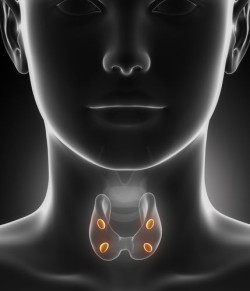
 With new diabetes medications like Onglyza that can affect certain chemical receptors in the thyroid, scientific research has recently raised the question of whether those medications could be thyroid cancer causes.
Onglyza is the brand name for the drug known generically as saxagliptin. The same active ingredient is also used in the diabetes medication Kombiglyze XR, in combination with another diabetes medication called metformin.
The Food and Drug Administration (FDA) approved Onglyza for sale in 2009 as a treatment for type 2 diabetes only — it is not approved to treat type 1 diabetes.
Unlike other types of diabetes medications, Onglyza can help reduce blood sugar without encouraging weight gain. Onglyza is one of a newer class of diabetes medications called DPP-4 inhibitors. DPP-4 is an enzyme that breaks down GLP-1, a hormone that stimulates production of insulin. By blocking the action of DPP-4, these drugs leave more GLP-1 functioning to stimulate more insulin production, which in turn lowers blood sugar.
Understandably, Onglyza has been very popular. Sales of Onglyza reached $820 million in 2014, and one estimate predicts annual sales could increase to over $2.4 billion by 2018. But the way Onglyza works may have additional risks to diabetes sufferers.
Diabetes and Thyroid Cancer
Recent research has raised the question of whether there might be a link between certain treatments for diabetes and thyroid cancer.
In April 2013, the publication QuarterWatch published a report on the side effects of Onglyza and other medications that operate on GLP-1. QuarterWatch is a publication of the Institute for Safe Medication Practices that reports on serious, disabling and fatal adverse drug events reported to the FDA.
The April 2013 report found several cases of diabetes and thyroid issues associated with GLP-1 agents, including one reported in conjunction with Onglyza itself. The authors commented that these drugs could be “biologically plausible” thyroid cancer causes given that thyroid tissue contains GLP-1 receptors.
Drugs that directly increase the action of GLP-1 in humans have gotten increasing scrutiny in the past few years on the suspicion that they may be thyroid cancer causes. Experiments on animals have shown increased incidence of thyroid C-cell tumors in animals that were given GLP-1 analog medications.
In humans, an analysis of reports of adverse events found more frequent occurrences of thyroid cancer in patients who took GLP-1 analog medications, compared to those who took different types of drugs.
Onglyza Side Effects
While research continues into the relationship between diabetes and thyroid cancer, Onglyza has already been associated with other problematic side effects, some of which have been the subjects of hundreds of Onglyza lawsuits.
An FDA panel in 2015 recommended adding a warning to the Onglyza label about the risk of heart failure. The panel referred to a study known as the SAVOR study, which found that persons who took Onglyza were 27 percent more likely to be hospitalized for heart failure.
Onglyza has also been linked to pancreatic complications. In 2011, the FDA required new information to be added to the label for Onglyza addressing reports of pancreatitis that occurred in conjunction with Onglyza treatment. Research has also found pre-cancerous cells in the pancreases of patients who took Onglyza.
In general, Onglyza lawsuits are filed individually by each plaintiff and are not class actions.
Do YOU have a legal claim? Fill out the form on this page now for a free, immediate, and confidential case evaluation. The attorneys who work with Top Class Actions will contact you if you qualify to let you know if an individual Onglyza lawsuit or Ongylyza class action lawsuit is best for you. Hurry — statutes of limitations may apply.
ATTORNEY ADVERTISING
Top Class Actions is a Proud Member of the American Bar Association
LEGAL INFORMATION IS NOT LEGAL ADVICE
Top Class Actions Legal Statement
©2008 – 2026 Top Class Actions® LLC
Various Trademarks held by their respective owners
This website is not intended for viewing or usage by European Union citizens.
Get Help – It’s Free
Join a Free Onglyza Lawsuit Investigation
If you or a loved one were injured from Onglyza side effects such as heart failure, thyroid cancer or pancreatic cancer, you may have a legal claim. See if you qualify to pursue compensation and join a free Onglyza lawsuit investigation by submitting your information for a free case evaluation.
An attorney will contact you if you qualify to discuss the details of your potential case.
Oops! We could not locate your form.