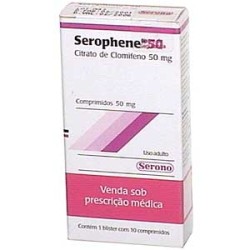
The fertility drug Serophene, a trade name for Clomid, has been linked with several types of birth defects.
Clomiphene (sold as Clomid and Serophene) is an oral fertility treatment prescribed for the last 30 years to stimulate ovulation in women who are having difficulties getting pregnant.
However, Serophene has been associated with a number of birth defects and abnormalities in both clinical trials and post-marketing surveillance for Serophene side effects.
While the chance of clomiphene birth defects are relatively low when compared to other drugs, it has been suggested that the current Serophene and Clomid drug labels and warnings included in the product inserts do not adequately inform patients and prescribers about possible Serophene birth defect side effects.
According to some Serophene side effects reports, potential birth defects include:
- Congenital heart lesions
- Down syndrome
- Club foot
- Congenital gut lesions
- Hypospadias
- Microcephaly
- Harelip and cleft palate
- Congenital hip
- Hemangioma
- Undescended testicles
- Polydactyly
- Conjoined twins and teratomatous malformation
- Patent ductus arteriosus
- Amaurosis
- Arteriovenous fistula
- Inguinal hernia
- Umbilical hernia
- Syndactyly
- Pectus excavatum
- Myopathy
- Dermoid cyst of scalp
- Omphalocele
- Spina bifida occulta
- Ichthyosis
- Persistent lingual frenulum
Each of these Serophene birth defects observed during clomiphene clinical trials were reported of a rate of about 1 percent.
Results of the 1997-2005 Clomid Birth Defects Study
The researchers involved in the various clomiphene birth defects studies found that women whose children had birth defects stated they used Serophene or Clomid more often than mothers of children who did not exhibit these birth defects.
Additionally, the use of Serophene was also linked, in smaller numbers, with birth defects like Dandy-Walker malformation, muscular ventricular septal defect, and cloacal extrophy.
According to medical researchers and the Centers for Disease Control and Prevention (CDC), the results of the clomiphene birth defects studies should be interpreted with caution, as the findings are based on a small group of women who use Clomid and Serophene.
In one clomiphene birth defects study, women who used Clomid and Serophene without proper medical supervision were reported to be 300 percent more likely to give birth to children with several different types of birth defects compared to women who did not use the drug.
Women who used Serophene or Clomid and later gave birth to a child with birth defects should consider filing a Clomid birth defects lawsuit, or joining a Clomid birth defects class action lawsuit.
In general, Clomid lawsuits are filed individually by each plaintiff and are not class actions.
Do YOU have a legal claim? Fill out the form on this page now for a free, immediate, and confidential case evaluation. The attorneys who work with Top Class Actions will contact you if you qualify to let you know if an individual lawsuit or class action lawsuit is best for you. Hurry — statutes of limitations may apply.
ATTORNEY ADVERTISING
Top Class Actions is a Proud Member of the American Bar Association
LEGAL INFORMATION IS NOT LEGAL ADVICE
Top Class Actions Legal Statement
©2008 – 2026 Top Class Actions® LLC
Various Trademarks held by their respective owners
This website is not intended for viewing or usage by European Union citizens.
Get Help – It’s Free
Join a Free Clomid Birth Defects Class Action Lawsuit Investigation
If you or a loved one became pregnant after taking Clomid and had a baby with a birth defect, you may have a legal claim. See if you qualify to pursue compensation for your child’s medical expenses, pain and suffering, and other damages by filling out the form below.
An attorney will contact you if you qualify to discuss the details of your potential case.
Oops! We could not locate your form.