 Quinolone antibiotics have been under recent scrutiny following multiple allegations that the strong drugs carry serious risks that are not adequately warned about by drug makers. Lawsuits have been filed claiming that quinolones cause serious skin disorders such as Stevens Johnson Syndrome or nerve damage conditions such as peripheral neuropathy.
In addition to these claims, research has shown that quinolones may also cause serious eye damage that can lead to permanent side effects. If you have suffered from eye injures such as detached retina, glaucoma, or uveitis, you may be able to file a quinolone side effects lawsuit against the drug maker.
Quinolone Eye Injuries
Quinolones are strong antibiotics that, when created, were only used to treat the most serious bacterial infections. Now, however, they are prescribed if a patient has an ear infection. Popular quinolone antibiotics include Avelox, Cipro, Levaquin, Noroxin, and Factive.
Studies have shown that quinolones increase the risk of eye damage. It was suggested that Avelox patients are almost five times more likely to suffer from eye damage such as retinal detachment and three times as likely to suffer from uveitis. (Retinal detachment is one possible complication following uveitis.)
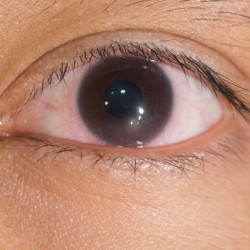
Uveitis is when the uvea is inflamed. The uvea consists of the middle part of the eye which contains the iris, ciliary body, and choroid. There are many ways to experience uveitis. Some patients have only one episode. For others, the condition occurs more often or lasts for a longer period of time.
Uveitis can lead to multiple eye injuries. Patients may experience glaucoma, swelling of the retina, cataracts, or even blindness. Some quinolone users are permanently affected by the condition.
Uveitis symptoms may include:
- Eye redness and irritation
- Eye pain
- Light sensitivity
- Blurred vision
- Decreased vision
- Floaters (dark, floating spots in your field of vision)
- Whitish area (hypopyon) inside the eye in front of the lower part of the colored area of the eye (iris)
- In some cases, tearing, lid puffiness, and some drooping of the eyelid may also be present.
Quinolone Eye Damage Studies
One of the more recent studies published on possible quinolone eye injuries was published in October 2014 in JAMA Opthalmology. It was this study that suggested Avelox in particular greatly increased the risk of uveitis and thus other eye injuries. Cipro was another quinolone with a high rate of retinal detachment.
The study examined data from almost 1 million patients over a seven-year period of time. It was found that one in 30 patients who had a detached retina were also taking a quinolone antibiotic. The reason behind this association is not currently known, but it may be suggestive of a strong link between quinolone use and eye injuries.
Do YOU have a legal claim? Fill out the form on this page now for a free, immediate, and confidential case evaluation. The attorneys who work with Top Class Actions will contact you if you qualify to let you know if an individual lawsuit or class action lawsuit is best for you. [In general, antibiotic injury lawsuits are filed individually by each plaintiff and are not class actions.] Hurry — statutes of limitations may apply.
ATTORNEY ADVERTISING
Top Class Actions is a Proud Member of the American Bar Association
LEGAL INFORMATION IS NOT LEGAL ADVICE
Top Class Actions Legal Statement
©2008 – 2026 Top Class Actions® LLC
Various Trademarks held by their respective owners
This website is not intended for viewing or usage by European Union citizens.
Get Help – It’s Free
Join a Free Fluoroquinolone Antibiotic Class Action Lawsuit Investigation
If you took Cipro, Levaquin, Avelox, Noroxin or Factive and were diagnosed with an eye injury or nerve damage, you may have a legal claim. Submit your information now for a free case evaluation.
An attorney will contact you if you qualify to discuss the details of your potential case at no charge to you.
Oops! We could not locate your form.