
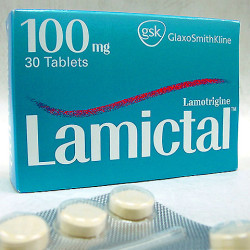
 Individuals who take Lamictal to treat their seizure disorder may not be aware that taking the medication could potentially prove to be deadly. However, for those who develop Lamictal Steven Johnson Syndrome (SJS), serious organ damage or death is a distinct possibility.
What is Lamictal?
Manufactured by GlaxoSmithKline, Lamictal (lamotrigine) is primarily used to treat seizure activity in patients with epilepsy.
The drug is also used to treat other mood-related disorders, including bipolar disorder. Physicians also prescribe the medication to treat depression, migraines, PTSD, borderline personality disorder, trigeminal neuralgia, and more.
As with any medication, Lamictal has a number of common side effects that are associated with its use. Many of these side effects are mild and dissipates with continued use of the drug as the body adjusts to the medication.
Side effects can include dizziness, fatigue, nausea and stomach pain, nightmares, insomnia, mood changes, impaired balance or coordination, and blurred or double vision, among others.
Lamictal Steven Johnson Syndrome
Lamictal currently carries a black box warning stating that life-threatening skin reactions may occur as a result of the medication’s use. This includes both Lamictal Steven Johnson Syndrome and a more severe form of the disorder known as Toxic Epidermal Necrolysis, or TEN.
With respect to Lamictal, patients typically develop Lamictal Steven Johnson Syndrome within the first two to eight weeks of using the medication, but it can technically occur at any time and may appear even if there were no issues with the previous administration of the drug.
Lamictal Steven Johnson Syndrome often starts off with flu-like symptoms, and for this reason, many patients and their loved ones dismiss the symptoms as being related to a cold or flu. Fever, fatigue, chills or nausea may company the initial symptoms of Lamictal Steven Johnson Syndrome.
After the initial period of flu-like symptoms, the characteristics of the Steven Johnson rash begin to appear. This rash consists of red or purple blisters that may appear in the mucous membranes of the body, such as the eyes, mouth, nose and genital area or may appear anywhere on the skin of the body.
The blistering causes the skin cells to die, and eventually the skin separates from the body, exposing the lower skin layers below.
In Lamictal Steven Johnson Syndrome, typically up to 30% of the body can be covered in the SJS rash. Once it progresses past 30%, it is typically referred to as Lamictal Toxic Epidermal Necrolysis.
There is no cure for Lamictal Steven Johnson Syndrome or TEN, and patients are hospitalized in order to stabilize them as the reaction subsides. This can be from days or months depending on the situation.
Supportive care such as pain management, wound care, nutrition and hydration and other methods to ensure the patient’s stability are used after the offending drug has been stopped.
Organ damage may take place following Lamictal Steven Johnson Syndrome. Any major organ can be damaged, and vision loss is not an uncommon occurrence. The mortality rate for SJS is approximately 5 to 15%, and is higher for TEN at 25 to 35%.
If you or a loved one developed Lamictal Steven Johnson Syndrome following the use of the anticonvulsant drug, you may be entitled to legal compensation for your injuries. An attorney experienced with drug injury lawsuits can help you determine the course of your legal action by providing you with a free case review.
Plaintiffs who go on to successfully file a drug injury lawsuit against the product manufacturer may be able to recover damages related to medical expenses, lost earnings, pain and suffering, emotional distress, loss of enjoyment of life, and more.
They may also be able to seek punitive damages from the manufacturer in an effort to punish the company for its alleged wrongdoing.
Do YOU have a legal claim? Fill out the form on this page now for a free, immediate, and confidential case evaluation. The Stevens Johnson Syndrome attorneys who work with Top Class Actions will contact you if you qualify to let you know if an individual lawsuit or class action lawsuit is best for you. [In general, SJS lawsuits are filed individually by each plaintiff and are not class actions.] Hurry — statutes of limitations may apply.
ATTORNEY ADVERTISING
Top Class Actions is a Proud Member of the American Bar Association
LEGAL INFORMATION IS NOT LEGAL ADVICE
Top Class Actions Legal Statement
©2008 – 2026 Top Class Actions® LLC
Various Trademarks held by their respective owners
This website is not intended for viewing or usage by European Union citizens.
Get Help – It’s Free
Help for Victims of Stevens Johnson Syndrome
If you or a loved one were diagnosed with Stevens Johnson Syndrome (SJS) or toxic epidermal necrolysis (TEN) after taking a prescribed or over-the-counter medication, you may be eligible to take legal action against the drug’s manufacturer. Filing an SJS lawsuit or class action lawsuit may help you obtain compensation for medical bills, pain and suffering, and other damages. Obtain a free and confidential review of your case by filling out the form below.
An attorney will contact you if you qualify to discuss the details of your potential case at no charge to you.
Please Note: If you want to participate in this investigation, it is imperative that you reply to the law firm if they call or email you. Failing to do so may result in you not getting signed up as a client, if you qualify, or getting you dropped as a client.
Oops! We could not locate your form.












One thought on Lamictal Steven Johnson Syndrome May Lead to Fatal Outcomes