
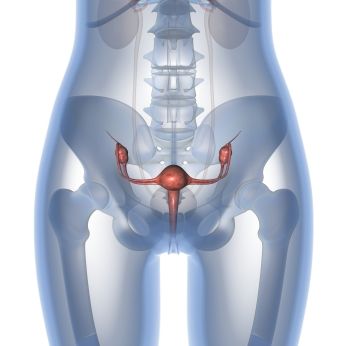
 The Mirena IUD is “defective and unreasonably dangerous” and is prone to spontaneously migrate or become dislodged, according to a Mirena IUD lawsuit filed by a 26-year-old Indiana woman.
Plaintiff Lacie Sexton filed the Mirena IUD lawsuit against Bayer for a host of reasons including defective design, failure to warn, negligence and fraud, among others.
The Mirena IUD is an intrauterine device inserted by a healthcare provider during an office visit. It is made of polyethylene and contains a steroid reservoir that releases levonorgestrel, a prescription medication used as a contraceptive.
The Mirena has been approved for use in the country since December 2000 and currently is the method of contraception used by more than 2 million women in the United States and more than 15 million women worldwide, according to the Mirena lawsuit.
Sexton states that she went to TriHealth Nurse Midwives of Cincinnati to have the Mirena IUD inserted in March 2012. The procedure was uneventful and Sexton states she had no reason to believe the device perforated her uterus.
Nearly a year later, an X-ray showed that the Mirena had in fact perforated Sexton’s uterus and was located in the front of the left pelvis. A follow-up CT scan confirmed the location, she explains in her Mirena IUD lawsuit.
Sexton underwent laparoscopic surgery to remove the device of her Mirena on Feb. 13, 2013, where Sexton’s Mirena was found to be embedded in an area connecting the stomach and other abdominal organs known as the omentum.
Despite having followed all of the accompanying instructions with the Mirena IUD, Sexton suffered “serious and life-threatening side effects and injuries, including but not limited to abdominal pain, surgical removal of her Mirena” which required hospitalization, medical therapy as well as continuing treatment.
Bayer AG, which manufactures the Mirena IUD, has been named as a defendant in numerous Mirena lawsuits alleging that the company failed to adequately warn users that the device could pierce the uterus and migrate to other parts of the body.
Complications reported from the Mirena IUD include pelvic inflammatory disease, perforation of the uterus or cervix, ectopic pregnancy, intrauterine pregnancy and pelvic pain, and intracranial hypertension.
Should a woman’s body reject the IUD, it can dislodge and puncture or embed in the uterus, resulting in scarring and infertility.
According to Sexton’s Mirean IUD lawsuit, the Mirena label does not warn about spontaneous migration of the device, stating only that migration can occur if the uterus is perforated during insertion.
Bayer, on the label, states that perforation is an uncommon occurrence even though there are “numerous women who have suffered migration and perforation post-insertion, clearly demonstrating this assertion to be false,” the Mirena lawsuit alleges.
“Defendants have a history of overstating the efficacy of Mirena while understating the potential safety concerns,” the Mirena lawsuit charges.
Hundreds of plaintiffs have sued Bayer over the Mirena IUD, accusing the company of failing to change its packaging despite numerous reports of “embedment of and perforation through the uterine lining and/or migration of the IUD through the uterine lining after the period of insertion.”
Bayer has continued to manufacture, advertise, and sell the Mirena IUD despite an FDA warning about it.
Do YOU have a legal claim? Fill out the form on this page now for a free, immediate, and confidential case evaluation. The attorneys who work with Top Class Actions will contact you if you qualify to let you know if an individual lawsuit or Mirena IUD class action lawsuit is best for you. [In general, Mirena IUD lawsuits are filed individually by each plaintiff and are not class actions.] Hurry — statutes of limitations may apply.
ATTORNEY ADVERTISING
Top Class Actions is a Proud Member of the American Bar Association
LEGAL INFORMATION IS NOT LEGAL ADVICE
Top Class Actions Legal Statement
©2008 – 2026 Top Class Actions® LLC
Various Trademarks held by their respective owners
This website is not intended for viewing or usage by European Union citizens.
Get Help – It’s Free
Join a Free Mirena IUD Class Action Lawsuit Investigation
If you or a loved one had the Mirena IUD inserted after January 1, 2000 and had to have surgery – or will be required to have surgery – to remove the IUD because it migrated, you may have a legal claim. Fill out the form below to obtain a FREE case evaluation.
A Mirena IUD attorney will contact you if you qualify to discuss the details of your potential case at no charge to you.
Oops! We could not locate your form.