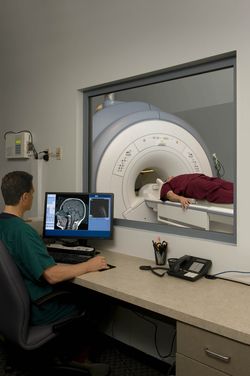
 If you have received an MRI that used an intravenous drug to enhance the images, you could suffer from a slow gadolinium detoxification.
Gadolinium-based contrast agents (GBCA) are used in some Magnetic Resonance Imaging (MRI) tests because the heavy metal’s magnetic qualities allow doctors to see a better view of the organs, tissues and blood vessels.
An MRI allows an electric current to pass through wire coils to create a temporary magnetic field in the patient’s body. A transmitter/receiver in the device allows radio waves to be sent and received, creating a digital image of the scanned part of the body.
Even though an MRI usually only takes 20 to 90 minutes, depending upon the areas being imaged, patients are saying the gadolinium is staying in their bodies much longer.
Receiving gadolinium is a quick procedure. A radiographer or a nurse will generally provide an injection through a syringe or needle into a vein in the patient’s arm. Sometimes, an automated injector is used to provide more precise timing and a better controlled rate of injection.
Doctors say the gadolinium-based dye is necessary when physicians are trying to find the source of cancer, infections, internal bleeding, heart abnormalities and other problems that are not easily seen.
Annually, almost 30 million patients receive MRIs that include gadolinium-based contrast agents. In December 2017, the FDA began requiring a new warning for all GBCAs used in MRIs “concerning gadolinium remaining in patients’ bodies, including the brain, for months to years after receiving these drugs.”
The FDA says that most of the GBCA dyes are eliminated through the kidneys, but “trace amounts of gadolinium may stay in the body long-term.”
Even though gadolinium detoxification is mainly taken care of through the release of urine within the 24 hours following the administration of the GBCA, the FDA says that health care professionals should weigh the options of each contrast agent and whether a patient might be at a greater risk of having problems with gadolinium detoxification when choosing a GBCA.
Problems Obtaining Gadolinium Detoxification
Patients who have reported a lack of gadolinium detoxification after a GBCA-assisted MRI report various symptoms. Random pain and burning sensations of the skin, joint and bone pain, central nervous system issues, skin rashes, persistent headaches, fatigue and cognitive impairment all have been reported as side effects.
Back in 2008, several gadolinium detoxification lawsuits were consolidated as a multi-district litigation. In those cases, the plaintiffs alleged the gadolinium dye caused them to develop nephrogenic systemic fibrosis (NSF), which causes the skin to swell, tighten, and develop a thick, hard, wood-like texture.
The skin can become itchy, burning, and develop blisters. If tendons and muscles are affected, they shorten, which can be disabling.
If you have suffered from a lack of gadolinium detoxification after you have had a GBCA-assisted MRI, you could be eligible to participate in this lawsuit investigation.
Join a Free Gadolinium Toxicity Class Action Lawsuit Investigation
If you or a loved one developed gadolinium toxicity after having an MRI with gadolinium contrast, you may be eligible to file a gadolinium MRI lawsuit against pharmaceutical companies. Fill out the form on this page for a FREE evaluation of your eligibility.
ATTORNEY ADVERTISING
Top Class Actions is a Proud Member of the American Bar Association
LEGAL INFORMATION IS NOT LEGAL ADVICE
Top Class Actions Legal Statement
©2008 – 2026 Top Class Actions® LLC
Various Trademarks held by their respective owners
This website is not intended for viewing or usage by European Union citizens.
Get Help – It’s Free
Join a Free Gadolinium MRI Lawsuit Investigation
If you qualify, an attorney will contact you to discuss the details of your potential case at no charge to you.
PLEASE NOTE: If you want to participate in this investigation, it is imperative that you reply to the law firm if they call or email you. Failing to do so may result in you not getting signed up as a client or getting you dropped as a client.
E-mail any problems with this form to:
[email protected].
Oops! We could not locate your form.