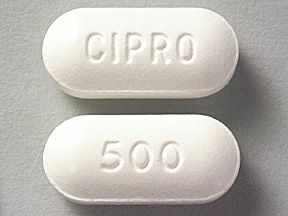
In August of 2013, the U.S. Food and Drug Administration issued a warning that fluoroquinolone antibiotics could be linked to peripheral neuropathy, or widespread nerve damage in the body. The fluoroquinolone antibiotics include drugs like Cipro.
Peripheral neuropathy is a type of nerve damage that may occur from injury, disease, or exposure to some types of medication. Peripheral neuropathy consists of damage to nerves in the extremities. The exact nature of the damage and symptoms can vary wildly, but peripheral neuropathy symptoms can include extreme pain, tingling, numbness, and paralysis in the afflicted fingers, toes, legs, and arms.
The fluoroquinolone antibiotics are a group of powerful fourth-generation antibiotics in the quinolone family. This includes Cipro, which briefly attained “celebrity” status among drugs during the post 9-11 anthrax attacks, as Cipro was the only drug that was approved to treat and cure anthrax at the time. However, other fluoroquinolone antibiotics have since joined Cipro, including Avelox.
The FDA’s 2013 warning indicated that a patient who develops peripheral neuropathy symptoms should stop taking fluoroquinolones like Cipro immediately and be switched to an unrelated antibiotic. The agency stated that their decision was based on the FDA’s Adverse Event Reporting System (AERS), a postmarket data collection system used to track possible drug complications. The AERS system recorded numerous cases of peripheral neuropathy in patients taking Cipro and other fluoroquinolone antibiotics between Jan. 1, 2003 and Aug. 1, 2012. The FDA stated that many patients reported peripheral neuropathy within days of starting on drugs like Cipro and other fluoroquinolone antibiotics.
Based on the information from AERS, the FDA has mandated changes to the labeling of Cipro and other drugs. Specifically, the “Warnings and Precautions” sections of their medication guides are to be reworded to stress the risk of developing peripheral neuropathy from Cipro and related drugs. These warnings will stress that patients taking Cipro should seek immediate medical attention if they experience peripheral neuropathy symptoms while taking the medication.
Meanwhile, a Cipro class action lawsuit investigation has been launched to explore the possibility of legal action against the makers of Cipro. Such a Cipro lawsuit could allege that drug makers were aware—or reasonably should have been aware—of the risk of peripheral neuropathy associated with Cipro. Such a Cipro lawsuit could further allege that drug makers failed to protect the public from the risk of Cipro peripheral neuropathy and other Cipro side effects. Drug lawsuits like the possible Cipro lawsuit typically seek to recoup the cost of medical care, lost wages, and other costs allegedly linked to Cipro side effects.
Do YOU have a legal claim? Fill out the form on this page now for a free, immediate, and confidential case evaluation. The attorneys who work with Top Class Actions will contact you if you qualify to let you know if an individual lawsuit or class action lawsuit is best for you. [In general, antibiotic injury lawsuits are filed individually by each plaintiff and are not class actions.] Hurry — statutes of limitations may apply.
ATTORNEY ADVERTISING
Top Class Actions is a Proud Member of the American Bar Association
LEGAL INFORMATION IS NOT LEGAL ADVICE
Top Class Actions Legal Statement
©2008 – 2025 Top Class Actions® LLC
Various Trademarks held by their respective owners
This website is not intended for viewing or usage by European Union citizens.
Get Help – It’s Free
Join a Free Fluoroquinolone Antibiotic Class Action Lawsuit Investigation
If you took Cipro, Levaquin, Avelox, Noroxin or Factive and were diagnosed with an eye injury or nerve damage, you may have a legal claim. Submit your information now for a free case evaluation.
An attorney will contact you if you qualify to discuss the details of your potential case at no charge to you.
Oops! We could not locate your form.