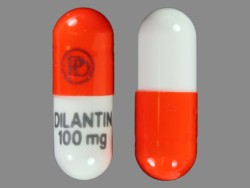
Phenytoin is an anticonvulsant drug sometimes sold under the brand names Dilantin or Phenytek. It works by calming abnormal activity in the brain.
Phenytoin is now approved by the FDA to control certain types of epileptic seizures and the seizures that sometimes happen during and after neurosurgery.
After being around for over a hundred years, phenytoin is still one of the most frequently prescribed drugs in the world, thanks in part to its low cost and its effectiveness for controlling seizures.
But like any other drug, phenytoin comes with a risk of certain side effects. Some phenytoin side effects, like difficulty sleeping or gastrointestinal trouble, may only be a passing nuisance. Others may be considerably disruptive for patients’ lives, potentially leaving them with permanent after-effects, as is the case of phenytoin induced cerebellar atrophy.
Phenytoin Induced Cerebellar Atrophy
One of the rarer but more pernicious side effects is phenytoin induced cerebellar atrophy. This condition is a degeneration of the part of the brain that exerts a lot of control over voluntary movement.
Persons with phenytoin induced cerebellar atrophy tend to have difficulty coordinating both large and small movements.
Cases of cerebellar atrophy associated with phenytoin treatment have been documented for decades. For many years, scientists weren’t sure if this condition was a side effect of the drug or if it was a complication brought about by the lack of oxygen to the brain that an epileptic seizure may cause.
More recent research has led scientists to believe that phenytoin itself may tend to cause a degeneration of brain tissue in the cerebellum. Case studies reveal instances of phenytoin induced cerebellar atrophy, particularly in patients who used phenytoin for long-term seizure control.
Symptoms of Cerebellar Atrophy
Problems with walking are the trademark symptoms of phenytoin induced cerebellar atrophy. Patients tend to walk with an unsteady, lurching, wide-legged gait.
They may have problems maintaining balance and posture, especially on a moving surface like an elevator floor or the deck of a ship.
Finer movements can also be affected. The patient may have difficulty controlling their eye movements, resulting in blurred or double vision.
Problems with the musculature of the mouth and throat could make speaking and swallowing a challenge. Swallowing liquids may present a particularly dangerous risk of choking.
While the cerebellum is known for controlling physical movement, it plays other roles that are interconnected with other brain functions. So in addition to impairing movement, phenytoin induced cerebellar atrophy can have effects on cognitive, behavioral and emotional functions.
Patients with this condition may find themselves suffering from cognitive impairment or mood disorders in addition to their physical movement symptoms.
By making movement significantly more difficult, cerebellar atrophy can hinder a person’s ability to work. Basic tasks like typing or using tools can become unusually challenging or even impossible.
Everyday household tasks – such as brushing teeth, putting on clothes or preparing food – may become too difficult to perform.
Patients with phenytoin induced cerebellar atrophy are at risk for being unable to earn income at a time when they may also be racking up substantial medical and therapy bills.
Circumstances this dire may far exceed the complications they were led to expect from the warnings and product information available for phenytoin.
Fortunately, compensation may be available for some patients. A consultation with a knowledgeable pharmaceutical products liability attorney can apprise a patient of their legal rights and practical options.
In general, phenytoin lawsuits are filed individually by each plaintiff and are not class actions.
Do YOU have a legal claim? Fill out the form on this page now for a free, immediate, and confidential case evaluation. The attorneys who work with Top Class Actions will contact you if you qualify to let you know if an individual Dilantin lawsuit or Dilantin class action lawsuit is best for you. Hurry — statutes of limitations may apply.
ATTORNEY ADVERTISING
Top Class Actions is a Proud Member of the American Bar Association
LEGAL INFORMATION IS NOT LEGAL ADVICE
Top Class Actions Legal Statement
©2008 – 2026 Top Class Actions® LLC
Various Trademarks held by their respective owners
This website is not intended for viewing or usage by European Union citizens.
Get Help – It’s Free
Join a Free Dilantin, Phenytoin Cerebral Atrophy Class Action Lawsuit Investigation
If you or a loved one were injured by Dilantin/phenytoin side effects, you may have a legal claim. Fill out the form for a free case evaluation.
An attorney will contact you if you qualify to discuss the details of your potential case.
Please Note: If you want to participate in this investigation, it is imperative that you reply to the law firm if they call or email you. Failing to do so may result in you not getting signed up as a client, if you qualify, or getting you dropped as a client.
Oops! We could not locate your form.