
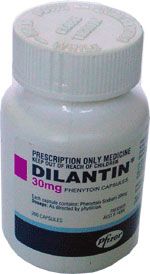
 Side effects of Dilantin, an anticonvulsant used for treatment of epilepsy, include Stevens Johnson Syndrome (SJS) and related Toxic Epidermal Necrolysis (TEN), serious and potentially fatal skin reactions.
Dilantin (phenytoin) was approved by the FDA in 1953 for treatment of seizures. The medication is also sold under the name Phenytek.
The FDA required new warnings about potential Dilantin SJS side effects to be added to the label for the medication in November 2008. Data suggests that individuals of certain ancestry may carry a gene allele that may substantially increase risk of the Dilantin skin side effects.
Dilantin SJS Problems
Stevens Johnson Syndrome from Dilantin often results in hospitalization with treatment in an intensive care unit or burn unit, and it may be fatal in some cases.
According to the Mayo Clinic, Stevens Johnson Syndrome is a rare, serious condition, thought to be caused by a disorder of the immune system and triggered by medications such as Dilantin.
Often, signs of Stevens Johnson Syndrome begin with flu-like symptoms, followed by a painful red or purplish rash or blisters, eventually causing the top layer of the skin to die and shed.
The onset of Stevens Johnson Syndrome typically begins several days before the SJS rash develops with patients experiencing fever, sore throat, cough and burning eyes then advancing to widespread skin pain, facial swelling, blisters on the skin and mucous membranes, hives, tongue swelling, a red or purple skin rash that spreads or shedding of the skin.
Possible complications of Stevens Johnson Syndrome include a secondary skin infection, eye problems, damage to internal organs and permanent skin damage.
When the SJS rash covers more than 30 percent of a person’s body, the disease is considered TEN. Stevens Johnson Syndrome carries a 15 percent mortality rate, while TEN is fatal 40 percent of the time.
While medical experts have not been able to pinpoint the exact cause of Stevens Johnson Syndrome the condition has been linked to an allergic reaction in response to medication, infection or illness. Anticonvulsants like Dilantin can be the culprit, which means that complete withdrawal is necessary. Although many medications can cause SJS, Dilantin side effects appear to increase the risk, especially among some users of the medication.
Dilantin SJS Lawsuits
Although it appears that information has been available for some time that Dilantin increases the risk of Stevens Johnson Syndrome and Toxic Epidermal Necrolysis, Dilantin lawsuits allege that the drug makers placed their desire for profits before safety of consumers by failing to adequately warn about the potential skin reactions.
Lawyers are reviewing potential claims for individuals throughout the United States who may be entitled to compensation through a Dilantin SJS lawsuit as a result of inadequate warnings provided by the drug makers.
Do YOU have a legal claim? Fill out the form on this page now for a free, immediate, and confidential case evaluation. The SJS attorneys who work with Top Class Actions will contact you if you qualify to let you know if an individual lawsuit or Dilantin class action lawsuit is best for you. [In general, Dilantin lawsuits are filed individually by each plaintiff and are not class actions.] Hurry — statutes of limitations may apply.
ATTORNEY ADVERTISING
Top Class Actions is a Proud Member of the American Bar Association
LEGAL INFORMATION IS NOT LEGAL ADVICE
Top Class Actions Legal Statement
©2008 – 2026 Top Class Actions® LLC
Various Trademarks held by their respective owners
This website is not intended for viewing or usage by European Union citizens.
Get Help – It’s Free
Help for Victims of Stevens Johnson Syndrome
If you or a loved one were diagnosed with Stevens Johnson Syndrome (SJS) or toxic epidermal necrolysis (TEN) after taking a prescribed or over-the-counter medication, you may be eligible to take legal action against the drug’s manufacturer. Filing an SJS lawsuit or class action lawsuit may help you obtain compensation for medical bills, pain and suffering, and other damages. Obtain a free and confidential review of your case by filling out the form below.
An attorney will contact you if you qualify to discuss the details of your potential case at no charge to you.
Oops! We could not locate your form.