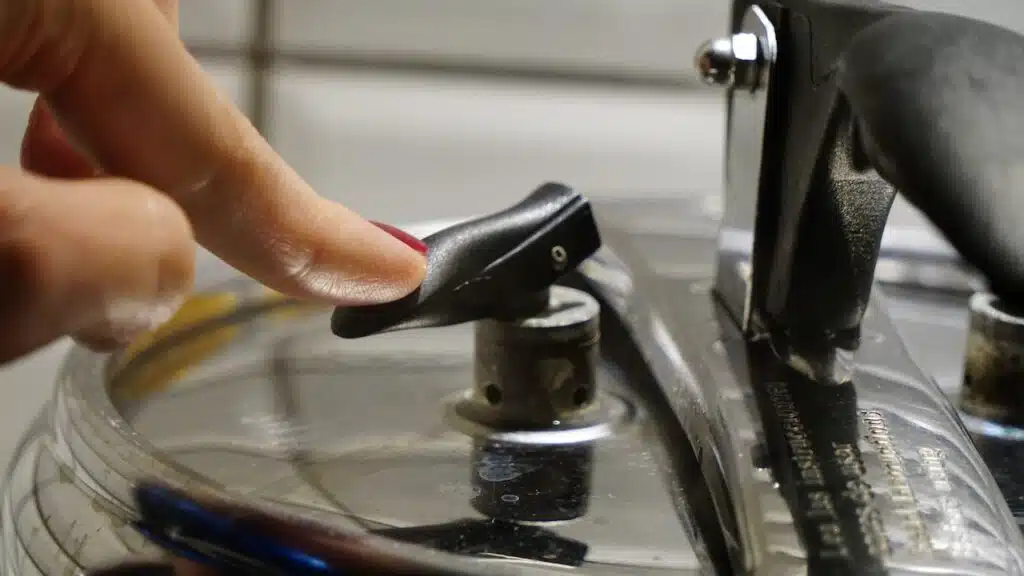
 A hospital in Ottawa has sent over 5,000 letters to patients informing them they may have contracted an infection from open heart surgery due to a cardiac heater-cooler device.
The University of Ottawa Heart Institute confirmed recently that 5,100 of its patients who were on bypass machines between 2012 and 2016 may have been exposed to infection from open heart surgery.
A representative from the Heart Institute, Heather Sherrard, says that the risk of patients contracting non-tuberculosis mycobacterium, or NTM, passed on from cardiac heater-cooler devices is quite low.
In fact, she says, it is estimated at less than one percent.
However, Health Canada has warned that cardiac heater-cooler devices, devices that heat and cool patients’ blood during surgery, have been connected with a rare type of NTM, mycobacterium chimaera.
The University of Ottawa Heart institute is not the only hospital that has warned patients. Other hospitals from around Canada have warned their patients as well to be watchful for infection from open heart surgery.
The Heart Institute’s letter said that the infection is hard to diagnose and is slow growing.
“NTM bacteria is commonly found in the environment and rarely causes complications. It cannot be spread person to person. However, for people who have been exposed to the bacteria during open heart surgery, symptoms of this infection may appear several months or even years after surgery,” the letter went on to say.
NTM bacteria is an organism that is found in soil and water and many people are exposed to it and do not become sick. However, some individuals are susceptible to developing symptoms from the infection.
In these cases, it can turn into a serious disease.
The cardiac heater-cooler devices use water that can, in some cases, contain NTM bacteria. When this water is aerosolized, there is a risk of infection from open heart surgery via the patient’s incision.
These devices work by providing temperature-controlled water to other surgical instruments, like heat exchangers or warming and cooling blankets. These are used to help control the temperature of organs or blood during surgery.
This is especially important because it improves patient outcomes and optimizes care for the individual.
The Heart Institute has warned patients that if they experience night sweats, achy muscles, weight loss, fatigue or fever, they should contact their family doctor.
The institute noted that these symptoms could be related to other illnesses and not necessarily an infection from open heart surgery and a family physician could rule out other possibilities.
According to Ms. Sherrard, the institute still has five cardiac heater-coolers that are still in use. She notes that they are crucial during surgery and they are cleaned and swabbed to test for bacteria. They are only used if the test comes back negative.
Do YOU have a legal claim? Fill out the form on this page now for a free, immediate, and confidential case evaluation. The hip implant attorneys who work with Top Class Actions will contact you if you qualify to let you know if an individual lawsuit or class action lawsuit is best for you. [In general, metal hip implant lawsuits are filed individually by each plaintiff and are not class actions.] Hurry — statutes of limitations may apply.
ATTORNEY ADVERTISING
Top Class Actions is a Proud Member of the American Bar Association
LEGAL INFORMATION IS NOT LEGAL ADVICE
Top Class Actions Legal Statement
©2008 – 2026 Top Class Actions® LLC
Various Trademarks held by their respective owners
This website is not intended for viewing or usage by European Union citizens.
Get Help – It’s Free
Join a Free Cardiac Heater-Cooler System Class Action Lawsuit Investigation
An attorney will contact you if you qualify to discuss the details of your potential case at no charge to you.
Please Note: If you want to participate in this investigation, it is imperative that you reply to the law firm if they call or email you. Failing to do so may result in you not getting signed up as a client, if you qualify, or getting you dropped as a client.
Email any problems with this form to [email protected].
Oops! We could not locate your form.