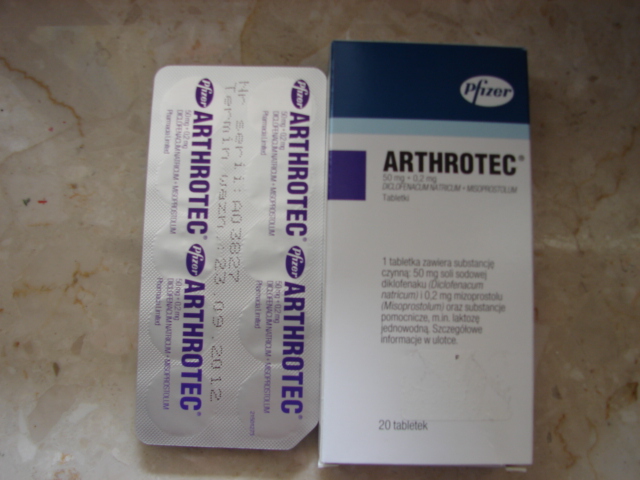
 Arthrotec (diclofenac/misoprostol) is a nonsterodial anti-inflammatory medication that is popularly used to treat stomach pains and prevent intestinal ulcers. The drug works by reducing stomach acid and replaces the protective substances in the stomach, which would normally prevent ingestion or other pains. Arthrotec can also be used to treat osteoarthritis and rheumatoid arthritis in people at high risk for developing stomach or intestinal ulcers.
Arthrotec is manufactured by Pfizer Inc. and is marketed by Pharmacia. It was approved by the U.S. Food & Drug Administration (FDA) in December 1997, to treat the conditions mentioned above. Arthrotec consists of two main components: diclofenac and misoprostol. Both components are equally important, if not vital, to the drug’s effectiveness. Diclofenac helps alleviate pain by inhibiting the production of prostaglandins that affect the body’s joints. Additionally, it reduces prostaglandin synthesis in the gastrointestinal lining, which may lead to the formation of ulcers. To counteract this effect, misoprostol reduces the secretion of stomach acid and boosts mucus production, which then prevents the ulcer.
Many patients have found Arthrotec to be effective, and the drug has become a widely prescribed medication to treat osteoarthritis. Despite its popularity, there have been injury reports submitted to the FDA which indicate Arthrotec may cause Stevens Johnson Syndrome (SJS) in some patients.
Like with most medications, the reports of Stevens Johnson Syndrome are few and far between. However, due to the severity of SJS, pharmaceutical companies that produce a medication that has either been reported to cause or is known to cause SJS in patients are required to include the condition on the drug’s warning label.
Overview of Stevens Johnson Syndrome
Stevens Johnson Syndrome is a severe allergic skin condition that is usually caused by a reaction to a medication. This condition is famously characterized by purple or reddish lesions that appear throughout the body, typically taking up to 30 percent of the skin’s surface area. Its latent cousin, Toxic Epidermal Necrolysis (TEN), involves lesions that are darker and larger in circumference, and can take up to 90 percent of the skin’s surface area. Both of these conditions are considered extremely dangerous for patients. If left untreated, this condition can permanently cause scarring, blindness, and may have fatal consequences.
The lesions of SJS and TEN typically cause skin detachment, making similar injuries to burns, leading the patients to be treated in burn units. When Stevens Johnson Syndrome first appears in patients, it starts off with flulike symptoms, but quickly spirals into the more severe symptoms. If this condition were to occur in a patient, it would typically be within the first two weeks of starting the medication.
Stevens Johnson Syndrome is a relatively rare condition, with only about 300 cases diagnosed per year. Even though the condition is rare, drug companies have an obligation to warn about the risk on their drugs’ labels.
File a Stevens Johnson Syndrome Injury Lawsuit Today
If you believe that you or a loved one have been the victim of a Stevens Johnson Syndrome injury, you have legal options. Please visit the Stevens Johnson Syndrome (SJS) & Toxic Epidermal Necrolysis (TEN) Class Action Lawsuit Investigation. There, you can submit your claim for a free legal review and if it qualifies for legal action, a seasoned Stevens Johnson Syndrome lawyer will contact you for a free, no-obligation consultation. You will be guided through the litigation process at no out-of-pocket expenses or hidden fees. The Stevens Johnson Syndrome attorneys working this investigation do not get paid until you do.
ATTORNEY ADVERTISING
Top Class Actions is a Proud Member of the American Bar Association
LEGAL INFORMATION IS NOT LEGAL ADVICE
Top Class Actions Legal Statement
©2008 – 2026 Top Class Actions® LLC
Various Trademarks held by their respective owners
This website is not intended for viewing or usage by European Union citizens.