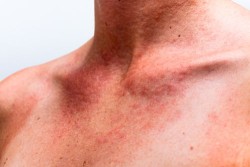
 Preventing gout with a routine course of Aloprim could put a patient at risk for a potentially deadly condition known as Stevens Johnson syndrome, one of the rare but serious Aloprim side effects.
What is Aloprim?
Aloprim is a brand name for a medication known generally as allopurinol. It’s been on the U.S. market since first earning FDA approval in the mid-1960s.
Aloprim is one of a class of medications known as xanthine oxidase inhibitors. These drugs work by reducing the body’s production of uric acid.
Through this mechanism of action, Aloprim is used to treat and prevent conditions that involve excess levels of uric acid – conditions like gout, kidney stones and the high uric acid levels associated with some cancer treatments.
Aloprim Side Effects
Like any other medication, Aloprim comes with a risk of certain side effects. Some patients report less serious Aloprim side effects like drowsiness, diarrhea or upset stomach. These side effects may not require medical attention if they are not severe or do not linger.
In rare cases, Aloprim side effects can become much more serious, though. A skin rash that develops during Aloprim treatment could be an early sign of Stevens Johnson syndrome, a drug reaction that can threaten the patient with permanent damage or death.
Aloprim is one of the drugs that most frequently leads to Stevens Johnson syndrome.
Symptoms of Stevens Johnson Syndrome
Stevens Johnson syndrome is known for attacking the patient’s skin and mucous membranes. On the outside, the patient’s outer layer of skin typically starts to peel away. On the inside, lesions in the mucous membranes may affect functioning of the eyes, mouth and throat, or respiratory and digestive tracts.
Usually, the very first symptoms of Stevens Johnson Syndrome resemble those of a cold or the flu. It tends to come on with coughing, fever, body aches, sore throat or sore eyes.
Within a few hours or days, the skin symptoms may begin. A rash breaks out over the torso and spreads to the rest of the body. Areas of skin within the rash blister, eventually peeling away from the lower layer of skin.
These blistered areas can lead to a substantial proportion of skin peeling away from the body. If enough skin peels away, the condition may be referred to as toxic epidermal necrolysis, or TEN.
Stevens Johnson syndrome and TEN are now believed to be two different manifestations of the same condition.
The loss of outer skin exposes the patient to infection. Systemic infections can create a risk of shock, blood poisoning and organ failure, potentially putting the patient’s life at risk.
Eye symptoms are also common with Stevens Johnson Syndrome. Patients often develop conjunctivitis, an inflammation of the mucous membrane that connects the inside of the eyelid to the eye itself. Corneal scarring and ulceration can also happen, potentially leaving the patient blind.
Other complications can include dehydration and malnutrition, acute respiratory distress syndrome, gastrointestinal injury, and thromboembolism.
These complications may far exceed what a patient may be led to expect from Aloprim side effects. The effects can be damaging, costly and long-lasting.
Patients who develop Stevens Johnson Syndrome or TEN after taking Aloprim may have grounds for legal action, and a consultation with a knowledgeable attorney may be in order to apprise the patient of all their legal options.
Do YOU have a legal claim? Fill out the form on this page now for a free, immediate, and confidential case evaluation. The Stevens Johnson Syndrome attorneys who work with Top Class Actions will contact you if you qualify to let you know if an individual lawsuit or class action lawsuit is best for you. [In general, SJS lawsuits are filed individually by each plaintiff and are not class actions.] Hurry — statutes of limitations may apply.
ATTORNEY ADVERTISING
Top Class Actions is a Proud Member of the American Bar Association
LEGAL INFORMATION IS NOT LEGAL ADVICE
Top Class Actions Legal Statement
©2008 – 2026 Top Class Actions® LLC
Various Trademarks held by their respective owners
This website is not intended for viewing or usage by European Union citizens.
Get Help – It’s Free
Help for Victims of Stevens Johnson Syndrome
If you or a loved one were diagnosed with Stevens Johnson Syndrome (SJS) or toxic epidermal necrolysis (TEN) after taking a prescribed or over-the-counter medication, you may be eligible to take legal action against the drug’s manufacturer. Filing an SJS lawsuit or class action lawsuit may help you obtain compensation for medical bills, pain and suffering, and other damages. Obtain a free and confidential review of your case by filling out the form below.
An attorney will contact you if you qualify to discuss the details of your potential case at no charge to you.
Please Note: If you want to participate in this investigation, it is imperative that you reply to the law firm if they call or email you. Failing to do so may result in you not getting signed up as a client, if you qualify, or getting you dropped as a client.
Oops! We could not locate your form.