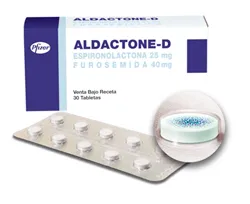
 Aldactone, a brand-name prescription blood pressure medication, has recently been associated with the development of the rare and potentially deadly skin condition Stevens Johnson Syndrome (SJS).
Aldactone (the generic form of Spironolatone) was first approved in 1985 by the U.S. Food and Drug Administration (FDA) and is a popular potassium-retention drug produced and sold by Pfizer Inc.
Aldactone is used to treat high blood pressure, as well as to reduce the risk of complications of the heart, liver, and kidney damage by preventing a patient’s body from overloading with salt and water.
However, the prescription medicaton has joined the ever-growing list of drugs that may trigger the painful reaction known as Stevens Johnson Syndrome.
Aldactone SJS Side Effects
Patients who use Aldactone or Spironolactone may be at a higher risk for developing Stevens Johnson Syndrome.
According to a study posted on eHealthMe.com, as of Nov. 13, within a sample of 25, 414 patients, 257 have reported Aldactone SJS side effects. This statistic is alarming as Stevens Johnson Syndrome equates to approximately 1.01% of Aldactone side effects.
The study further indicates that the majority of patients who developed Stevens Johnson Syndrome after taking Aldactone were over the age of 60, with males being the larger percentage of this group.
What is Stevens Johnson Syndrome?
Stevens Johnson Syndrome is a serious condition that has been associated with a wide variety of medications, including Aldactone. Although it is as of yet unknown why some patients develop SJS, most medical experts believe that contributing factors include medical history and the drugs a patient may use in conjunction with each other.
Stevens Johnson Syndrome is much more common for adults than children, but some children do develop the condition. Approximately 300 cases of SJS are diagnosed nationally each year.
Stevens Johnson Syndrome (SJS) is a potentially life-threatening and should be considered a medical emergency. The SJS skin condition is essentially an allergic reaction to certain medications, but can become so severe the symptoms resemble third-degree burns.
At first, Aldactone SJS symptoms may be similar to the flu. Patients who have SJS report chills, body aches, and fevers, which by themselves are not altogether concerning.
It is important to be highly aware of these symptoms, however, because if they lead to SJS, the condition is far more severe. If the condition does progress, a purple or red rash spreads quickly across the skin, blistering and letting the top layer of skin die and shed off.
The SJS rash is severe and painful, with lesions covering up to 30 percent of the body, including mucus membranes. If more than 30 percent of the body is covered in these rashes, the condition is referred to as Toxic Epidermal Necrolysis, or TEN. TEN is simply a more severe and dangerous form of SJS, and comes with a greater risk of fatality.
While the SJS mortality rate is at 15 percent, the rate of fatalities in TEN cases is 40 percent.
Aldactone SJS Lawsuits
If you or someone you love has experienced these SJS symptoms or has been diagnosed with Stevens Johnson Syndrome or Toxic Epidermal Necrolysis after taking Aldactone or another drug, you may have reason to file an Aldactone SJS lawsuit.
Do YOU have a legal claim? Fill out the form on this page now for a free, immediate, and confidential case evaluation. The Stevens Johnson Syndrome attorneys who work with Top Class Actions will contact you if you qualify to let you know if an individual lawsuit or class action lawsuit is best for you. [In general, SJS lawsuits are filed individually by each plaintiff and are not class actions.] Hurry — statutes of limitations may apply.
ATTORNEY ADVERTISING
Top Class Actions is a Proud Member of the American Bar Association
LEGAL INFORMATION IS NOT LEGAL ADVICE
Top Class Actions Legal Statement
©2008 – 2025 Top Class Actions® LLC
Various Trademarks held by their respective owners
This website is not intended for viewing or usage by European Union citizens.
Get Help – It’s Free
Help for Victims of Stevens Johnson Syndrome
If you or a loved one were diagnosed with Stevens Johnson Syndrome (SJS) or toxic epidermal necrolysis (TEN) after taking a prescribed or over-the-counter medication, you may be eligible to take legal action against the drug’s manufacturer. Filing an SJS lawsuit or class action lawsuit may help you obtain compensation for medical bills, pain and suffering, and other damages. Obtain a free and confidential review of your case by filling out the form below.
An attorney will contact you if you qualify to discuss the details of your potential case at no charge to you.
Oops! We could not locate your form.