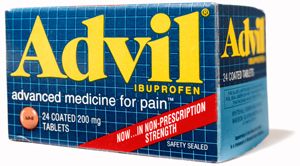
 Even a commonly used over-the-counter drug like Advil is not without dangerous side effects.
Advil is one of the many drugs that are able to cause two dangerous skin conditions known as Stevens Johnson Syndrome and Toxic Epidermal Necrolysis.
Advil is a brand name for the drug ibuprofen. First approved by the FDA in 1974, ibuprofen is one of a class of drugs called non-steroidal anti-inflammatories, or NSAIDs. It reduces pain and inflammation by operating on certain hormones.
Advil can be used to treat pain and inflammation caused by many different conditions like headache, joint pain, menstrual cramps, or injuries. It is also used to reduce fever.
Unfortunately the ibuprofen in Advil, like other NSAIDs, is a known cause of Stevens Johnson Syndrome (SJS) and its more severe version, Toxic Epidermal Necrolysis (TEN). Though these conditions are rare, yet when they do occur, their effects can be devastating.
Advil Stevens Johnson Syndrome
Stevens JohnsonSsyndrome first manifests with symptoms that resemble those of the flu – symptoms like fever, cough, fatigue, or sore throat. Not too long after that, the more characteristic symptoms of SJS begin with a rash that breaks out and spreads quickly. Blisters also begin to form within the areas of rash.
SJS blisters can also form on the mucous membranes in the eyes, mouth, throat or genitals. Eye symptoms may lead to full-on conjunctivitis. The hair and nails may also fall out.
The blisters tend to enlarge and join together into large areas of skin that peel away and fall off, exposing the lower layers of skin beneath them.
The area of the body covered by these blisters and peeling skin is what makes the difference between SJS and TEN: if it’s less than 10 percent of the body, the condition is referred to as SJS, and if it’s more than 30 percent, it’s called TEN. The two conditions are now considered more or less severe versions of each other, and there is some overlap between the two of them.
Treatment for these conditions can last weeks or sometimes months. There is no particular cure for SJS or TEN, so providers generally stop whatever drug (such as Advil) is causing the condition, then manage symptoms while the body gets a chance to heal itself.
Symptom management is similar to that used to treat severe burns, and SJS/TEN patients are often treated in a hospital’s burn unit if one is available.
Even after SJS and TEN resolve, there can be long-lasting and damaging complications. The loss of skin exposed the skin to infection, which itself creates the risk of sepsis.
The affected areas of skin may end up permanently scarred or discolored. Eye complications can leave scarring or other damage that can leave the patient blind. A few of the most severe of these cases have resulted in the patient’s death.
The effects of these conditions might be more than what a consumer might reasonably expect could happen after taking a common over-the-counter drug like Advil.
Victims of Advil-related SJS or TEN may have to live with life-changing complications, not to mention burdensome medical bills for weeks of hospitalization that simultaneously prevented them from earning income.
Do YOU have a legal claim? Fill out the form on this page now for a free, immediate, and confidential case evaluation. The Stevens Johnson Syndrome attorneys who work with Top Class Actions will contact you if you qualify to let you know if an individual lawsuit or class action lawsuit is best for you. [In general, SJS lawsuits are filed individually by each plaintiff and are not class actions.] Hurry — statutes of limitations may apply.
ATTORNEY ADVERTISING
Top Class Actions is a Proud Member of the American Bar Association
LEGAL INFORMATION IS NOT LEGAL ADVICE
Top Class Actions Legal Statement
©2008 – 2025 Top Class Actions® LLC
Various Trademarks held by their respective owners
This website is not intended for viewing or usage by European Union citizens.
Get Help – It’s Free
Help for Victims of Stevens Johnson Syndrome
If you or a loved one were diagnosed with Stevens Johnson Syndrome (SJS) or toxic epidermal necrolysis (TEN) after taking a prescribed or over-the-counter medication, you may be eligible to take legal action against the drug’s manufacturer. Filing an SJS lawsuit or class action lawsuit may help you obtain compensation for medical bills, pain and suffering, and other damages. Obtain a free and confidential review of your case by filling out the form below.
An attorney will contact you if you qualify to discuss the details of your potential case at no charge to you.
Oops! We could not locate your form.