Did you perform long-distance, route, batch or other multi-stop delivery work as an “independent contractor”?
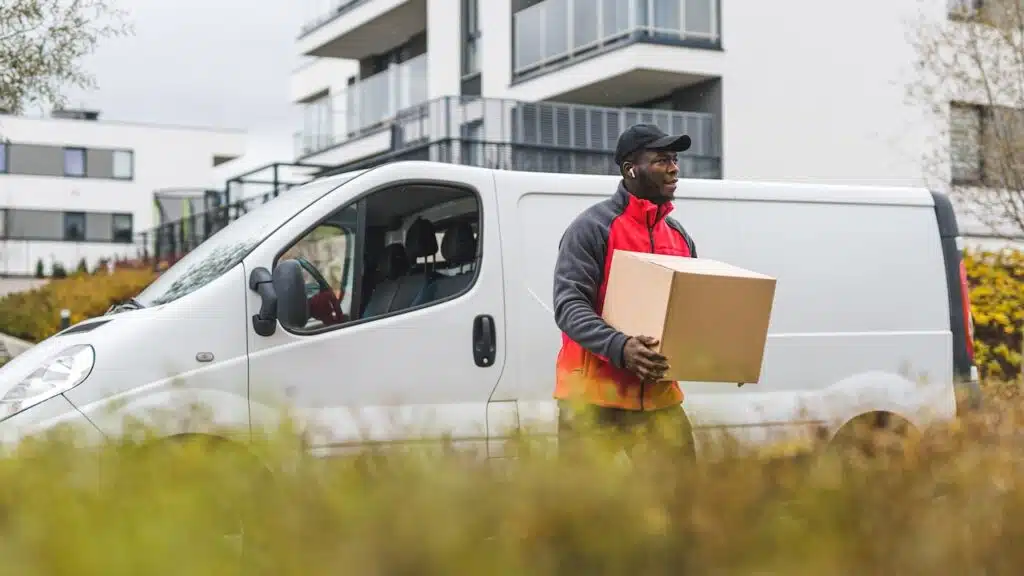
Do you deliver packages as a gig worker through Target Shipt, DoorDash DashLink, or other app-based delivery services in California? Drivers who complete structured, multi-stop routes may actually be performing work that meets the legal definition of an employee, not a contractor.
If your day-to-day work feels more like a traditional delivery job than flexible gig work, you may have been misclassified as an independent contractor. Fill out the form to learn more and see if you qualify to participate in a delivery driver lawsuit.
Many California delivery drivers using apps like Target Shipt, Roadie and DoorDash DashLink are assigned multi-stop routes or batch delivery that require them to deliver a dozen or more packages per trip, sometimes over very long distances.
Even though these platforms classify drivers as independent contractors under Proposition 22’s app-based driver laws, California’s standard worker protection laws may treat this type of route-based, long-distance work as employment.
By using route or batch delivery drivers and relying on Proposition 22 or other independent contractor laws, these companies leave drivers without overtime pay, meal and rest breaks, expense reimbursement, workers’ compensation, sick leave or other benefits they may be entitled to under state law.
Misclassified employees who work as delivery drivers may be eligible to pursue back pay and owed benefits.
Do you qualify?
You may be eligible to pursue compensation for employee benefits if:
- You worked as a gig-based or app-based delivery driver in California
- You completed multi-stop or batch delivery routes
- Your delivery tasks involved driving long distances (over 50 miles)
Please share your experience through the form on this page. Your information will be reviewed by a legal representative, who will determine whether you qualify to participate in a class action lawsuit.
Fill out the form on this page for more information.
The attorney and law firm responsible for the advertising content of this page is: Shaun Markley of Nicholas & Tomasevic LLP; San Diego, CA; 619-325-0492; nicholaslaw.org
What qualifies a delivery driver as an employee in California?
California has some of the strongest worker-protection laws in the country, and the state generally presumes that workers are employees unless a company can prove they meet the strict standards for independent contractor status. This remains true even after recent app-based driver laws, such as Proposition 22.
For many years, delivery service companies and the gig economy sought to avoid complying with California’s robust employment laws by classifying drivers as “independent contractors.” This allowed companies to avoid paying employee benefits — including overtime pay, sick leave and reimbursing drivers for expenses such as fuel, maintenance, insurance and more.
While some apps and services — like an Uber ride or a one-off meal delivery — may qualify for independent contractor status under California’s Proposition 22, drivers handling multi-stop, batch, or long-distance deliveries may be entitled to the protections of California labor law.
California drivers assigned 12 or more packages over long-range delivery routes (over 50 miles) may be considered misclassified employees and could be owed employee protections, including overtime pay, meal and rest breaks, and mileage reimbursement.
Which delivery apps are misclassifying drivers?
This California batch or route delivery driver lawsuit is primarily focused on Target’s Shipt program, DoorDash’s DashLink option and Roadie’s routed delivery feature, but other companies using similar batch or route-based delivery models may also be under scrutiny.
- DashLink: DoorDash’s DashLink routes are increasingly structured, resembling commercial package delivery work. Gig workers are often assigned multiple stops and are usually required to pick up merchandise from sorting centers.
- Shipt: Target’s Shipt program appears to use retail stores as e-commerce “hubs,” blurring the lines between in-store retail operations and fulfillment center activities.
- Roadie: Roadie offers multi-stop “grouped offers” and other batch delivery services, where drivers run routes spanning many hours and miles.
Other app-based delivery services that are operating similar multi-stop, route-based business models in California may be misclassifying their drivers.
How to join an app-based delivery driver lawsuit
When delivery companies misclassify drivers as independent contractors, they often avoid reimbursing expenses, paying overtime, sick leave, health insurance and other employee benefits. This leaves drivers with minimal pay and no protections, even when performing work that resembles traditional employment.
If you are a California route delivery driver who is doing batch or long-distance delivery services, you may be considered a misclassified employee and may qualify to join a California delivery driver lawsuit. Participating in the lawsuit could allow you to recover expenses, unpaid wages, overtime, mileage reimbursement and other benefits you were denied.
To see if you qualify, fill out the form on this page.
Fill out the form on this page to see if you qualify for a free case evaluation.
See If You Qualify
Join an app-based delivery driver class action lawsuit investigation
Filling out this form is quick and easy. It only takes a few minutes to see if you qualify.
After you fill out the form, an attorney(s) or their agent(s) may contact you to discuss your legal rights.
ATTORNEY ADVERTISING
The choice of a lawyer is an important decision and should not be based solely on advertisements.
PAID ATTORNEY ADVERTISEMENT: THIS WEB PAGE IS AN ADVERTISEMENT AND THE PARTICIPATING ATTORNEY(S) ARE INCLUDED BECAUSE THEY PAY AN ADVERTISING FEE. Top Class Actions is not a law firm, lawyer referral service, or prepaid legal services plan. We do not endorse or recommend any third-party claims processing company, lawyer, or law firm who participates in the network. We do not make any representation, and have not made any judgment, as to the qualifications, expertise, or credentials of any participating lawyer or processing group. No representation is made that the quality of the legal services or claims processing to be performed is greater than the quality of legal services or claims processing performed by other lawyers or claims processing group. The information contained herein is not legal advice. Any information you submit to Top Class Actions does not create an attorney-client relationship and may not be protected by attorney-client privilege because Top Class Actions is not a law firm. Instead, your information will be forwarded to an attorney(s) or their agent(s) or a claims processing firm for the purpose of a confidential review and potential representation if you qualify. You will only be contacted by an attorney(s) or their agent(s) in response to your inquiry if your initial information appears to qualify you for representation. If you are not contacted by an attorney(s) or their agent(s) within one week, you should consult another firm since all legal claims are subject to filing deadlines. All photos on this website are stock art and do not depict clients.