
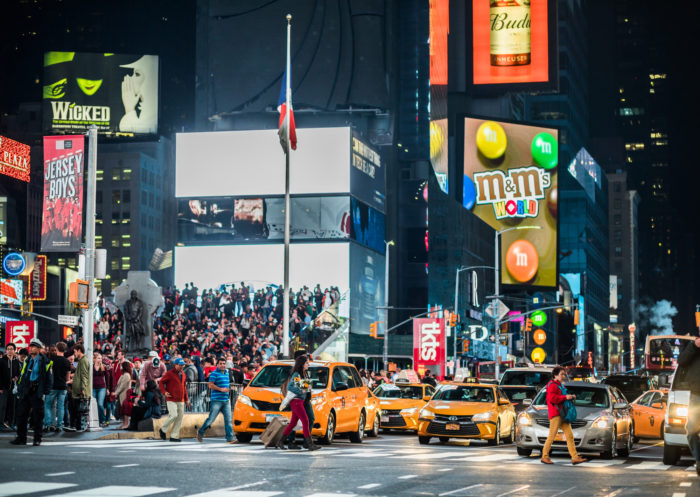
 A NYC cab driver class action lawsuit alleging that certain drivers are truly employees of Uber has been settled.
A letter from the defendants to U.S. District Judge Alvin K. Hellerstein notified the judge that both parties had reached a tentative settlement in the case and officially asked the court to dismiss the case with prejudice upon its approval.
The drivers who originally filed the NYC cab driver class action lawsuit argued that they had been exploited by the ridesharing company. The drivers alleged that they should have been paid as employees of Uber.
News of the NYC cab driver class action settlement came just a few months after the judge commented that the plaintiffs’ case might have problems.
Judge Hellerstein noted that recent developments from the Second Circuit could cause issues for the taxi drivers. The judge pointed to a ruling that used a broad definition of the “taxicab exemption” in the Fair Labor Standards Act when it comes to the case for overtime pay.
The judge in that second case decided that the taxicab exemption did include those drivers who are available for hire, those who have no set schedules, and those who drive a passenger vehicle.
When that decision and interpretation came down, the legal counsel for the defendants in the NYC cab drivers class action lawsuit pointed this out, noting that under such a definition, Uber drivers could be classified as falling under the taxicab exemption.
The drivers in the NYC cab drivers class action lawsuit are not typical Uber drivers, who are usually non-professional drivers using the rideshare service to make extra money on schedules they decide.
Instead, the plaintiffs in the NYC cab drivers class action lawsuit use a service called Uber T. Uber T dispatches available trips to city green and yellow cabs for a certain fee.
The drivers argued that because of the working arrangement with Uber that they could be classified as employees.
The NYC cab drivers class action lawsuit stated that the drivers should have been entitled to expenses, minimum wages, and overtime pay if they were indeed employees of Uber during their time picking up passengers through Uber T dispatch.
The drivers also argued that Uber should have been responsible for unlawful service fees and record-keeping violations.
In September, Judge Hellerstein suggested a $150,000 settlement for the drivers to close out the lawsuit, noting that this should cover most of their legal fees associated with bringing the suit.
The final settlement amount in the NYC cab driver class action lawsuit was not disclosed with the news that the case had reached agreement terms.
The plaintiffs in the NYC cab driver class action lawsuit are represented by Jeanne E. Mirer of Mirer Mazzocchi Julien & Chickedantz PLLC.
The NYC Cab Driver Class Action Lawsuit is New York Taxi Workers Alliance, et al. v. Uber Technologies Inc., et al., Case No. 1:16-cv-04098, in the U.S. District Court for the Southern District of New York.
ATTORNEY ADVERTISING
Top Class Actions is a Proud Member of the American Bar Association
LEGAL INFORMATION IS NOT LEGAL ADVICE
Top Class Actions Legal Statement
©2008 – 2026 Top Class Actions® LLC
Various Trademarks held by their respective owners
This website is not intended for viewing or usage by European Union citizens.

Legal help for mental harm caused by social media addiction in young users
February 20, 2026 | social media




One thought on NYC Cab Driver Class Action Lawsuit Settled with Uber
please send me details